
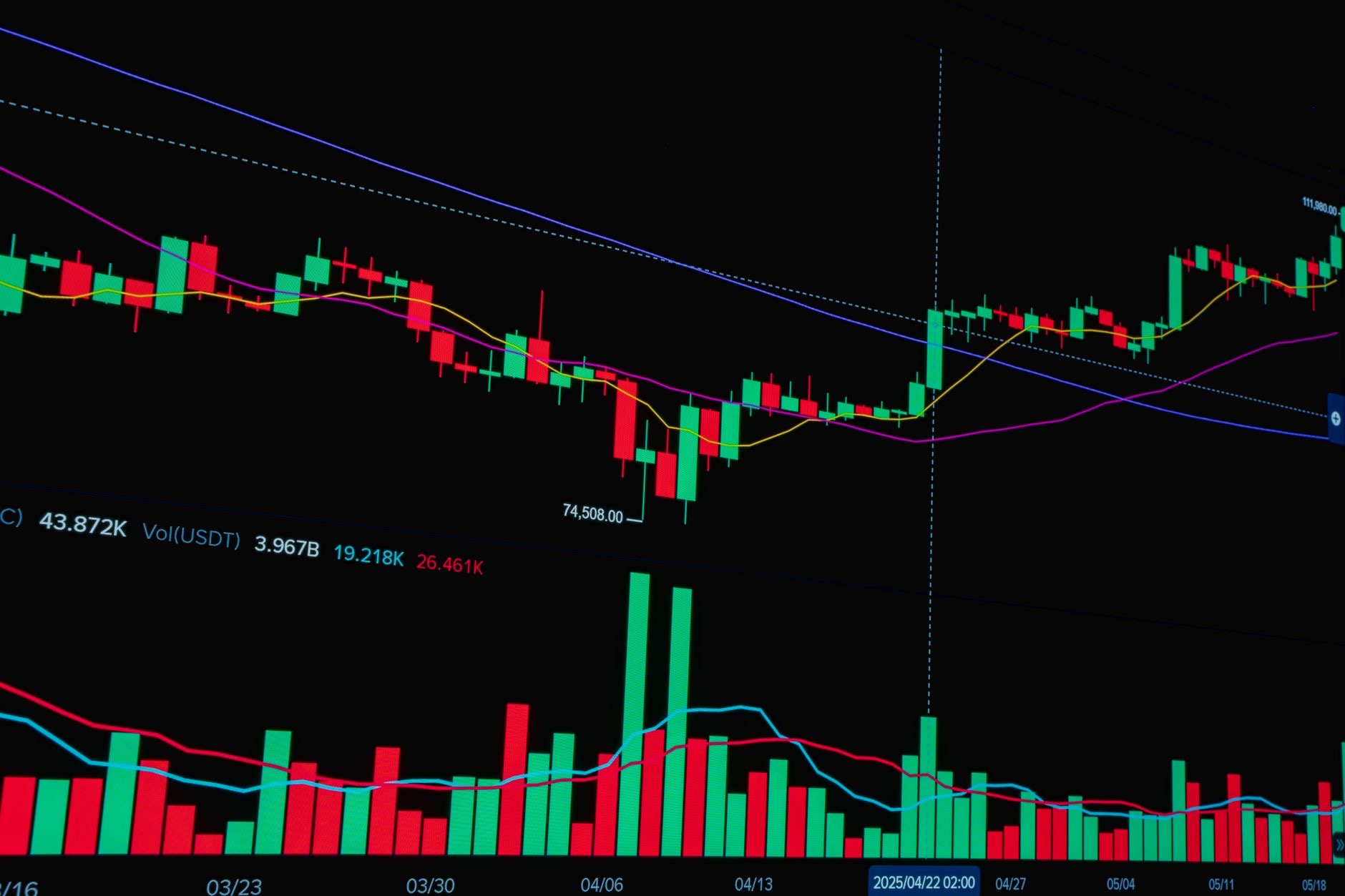
U.S. stocks rose on Wednesday, Aug. 26, as investors responded positively to expectations that diplomatic efforts in the Middle East could help reduce geopolitical risks and push oil prices lower. The market advance came as traders reassessed recent concerns about potential disruptions to global energy supplies and the broader economic impact of regional tensions.
The decline in oil prices was one of the central market signals of the session. Energy markets often react quickly to changes in perceived conflict risk because investors price in the possibility of supply disruptions, shipping interruptions, or increased production uncertainty. A softer oil market can ease inflation concerns by reducing costs across transportation, manufacturing, and consumer goods sectors.
For U.S. investors, the movement in crude prices carried significance beyond energy stocks. Lower energy costs may influence expectations for future inflation readings, which remain a key factor in market forecasts for Federal Reserve policy. Investors have continued to monitor whether inflation pressures are cooling enough to allow for a more supportive interest-rate environment.
The stock market’s advance reflected a temporary shift away from defensive positioning. In recent sessions, investors had focused heavily on geopolitical uncertainty, including concerns that conflict risks could affect commodity markets and global economic stability. Wednesday’s trading showed renewed appetite for equities as some investors interpreted diplomatic developments as reducing the likelihood of an immediate escalation.
Market participants remained cautious, however, because geopolitical situations can change quickly. Investors typically treat diplomatic progress as a positive development but continue to monitor official statements, negotiations, and developments affecting energy-producing regions.
The broader market backdrop also included ongoing attention to corporate earnings, economic data, and expectations for the path of interest rates. Companies across industries have been navigating a mixed environment shaped by consumer demand, financing costs, labor conditions, and changing input expenses.

Technology companies remained an important area of investor focus as markets continued evaluating long-term growth opportunities alongside valuation concerns. Recent volatility in technology shares has shown that investors are balancing enthusiasm around artificial intelligence and digital infrastructure with questions about spending levels, profitability, and future growth rates.
Financial markets have also been sensitive to changes in commodity prices because energy costs can affect both consumers and businesses. Lower gasoline and fuel expenses may support household spending power, while companies with significant transportation or production costs could see improved margins if energy prices remain contained.
Energy producers faced a different market dynamic as crude prices moved lower. While consumers and many businesses benefit from cheaper fuel, energy companies often experience pressure when oil prices decline because revenue expectations are closely tied to commodity prices.
Investors were also watching whether the market’s positive reaction would extend beyond a single trading session. Sustained gains typically depend on a combination of factors, including stable economic data, corporate earnings performance, and continued confidence that inflation risks are manageable.
The Federal Reserve’s policy outlook remained a major consideration. Although geopolitical developments can create short-term market swings, investors continue to evaluate inflation trends and economic growth indicators when forecasting future interest-rate decisions.
Lower oil prices could provide some support for the central bank’s inflation outlook if the decline becomes sustained. However, policymakers generally assess a wide range of data rather than responding to individual market moves.

Businesses are also monitoring the situation because energy prices affect strategic decisions, from production planning to transportation budgets. Companies with global supply chains are particularly sensitive to changes in fuel costs and potential disruptions in international trade routes.
The market reaction demonstrated the continuing connection between global events and U.S. financial conditions. Even companies with limited direct exposure to overseas conflicts can be affected through changes in commodities, inflation expectations, consumer confidence, and investor sentiment.
Analysts and investors are expected to continue watching several key factors in the days ahead:
- Whether diplomatic developments continue to reduce pressure on oil markets.
- How energy prices influence inflation expectations and interest-rate forecasts.
- Whether recent stock gains broaden across sectors or remain concentrated.
- How companies respond to changing costs and consumer demand conditions.
While Wednesday’s market performance reflected increased optimism, investors remained aware that geopolitical risks can quickly return to the forefront. Oil prices, government statements, and developments in the Middle East will likely remain closely watched by financial markets.
The session highlighted the importance of energy markets in shaping broader investment sentiment. A calmer geopolitical outlook and lower oil prices can support risk appetite, but investors continue to balance those developments against economic uncertainty and longer-term market challenges.




Leave a Reply