
Iran has told the United States that it has seven conditions for returning to negotiations, according to Tehran’s top national-security official, putting a new diplomatic proposal before Washington as both sides remain positioned for further military escalation. Mohsen Rezaei, secretary of Iran’s Supreme National Security Council, said Qatar had conveyed Iran’s terms to the United States and that Tehran was waiting for President Donald Trump to respond. Rezaei coupled the offer with a warning that Iran was prepared for what he called a “decisive war” if diplomacy failed.
The Iranian official said publicly that the conditions include ending the war on all fronts, releasing frozen Iranian funds and ending the U.S. naval blockade of Iranian ports. In a separate social-media statement, Rezaei said seven conditions had been communicated to the U.S. government, without listing all seven there. The distinction is important: Tehran says a seven-point package has been delivered, but the full document has not been publicly released in a form independently available for verification.
Al Jazeera, which conducted the interview with Rezaei, subsequently reported a broader set of Iranian demands. Its September 20 account listed an end to fighting on all fronts, including Lebanon; release of Iran’s frozen funds; an end to the naval blockade; an end to U.S. interference in Iranian domestic affairs; an end to U.S. cooperation with groups Tehran describes as opponents of its political system; and an end to U.S. attacks on Iranian territory. That published list contained six separately stated points even though Rezaei said Iran had transmitted seven conditions, leaving at least part of the package unclear publicly.
Rezaei’s language combined an opening for diplomacy with explicit military deterrence. He said Iran viewed another U.S. strike as a realistic possibility and claimed Tehran had adjusted its military planning to focus more heavily on U.S. naval assets across the Gulf, Gulf of Oman and Arabian Sea. He also said Iran had tested an anti-ship missile near a U.S. naval vessel or aircraft carrier. Those military assertions were made by the Iranian official and have not been independently verified in the reporting reviewed for this article.

The diplomatic channel itself highlights Qatar’s continuing role as an intermediary between governments that have limited direct contact. Rezaei said Doha transmitted Iran’s position to Washington. Qatar and Pakistan have both been involved in efforts to restore negotiations following the breakdown of an earlier U.S.-Iran arrangement. Al Jazeera reported that a June 17 memorandum of understanding expired in August without producing a lasting settlement, while both sides accused the other of violations.
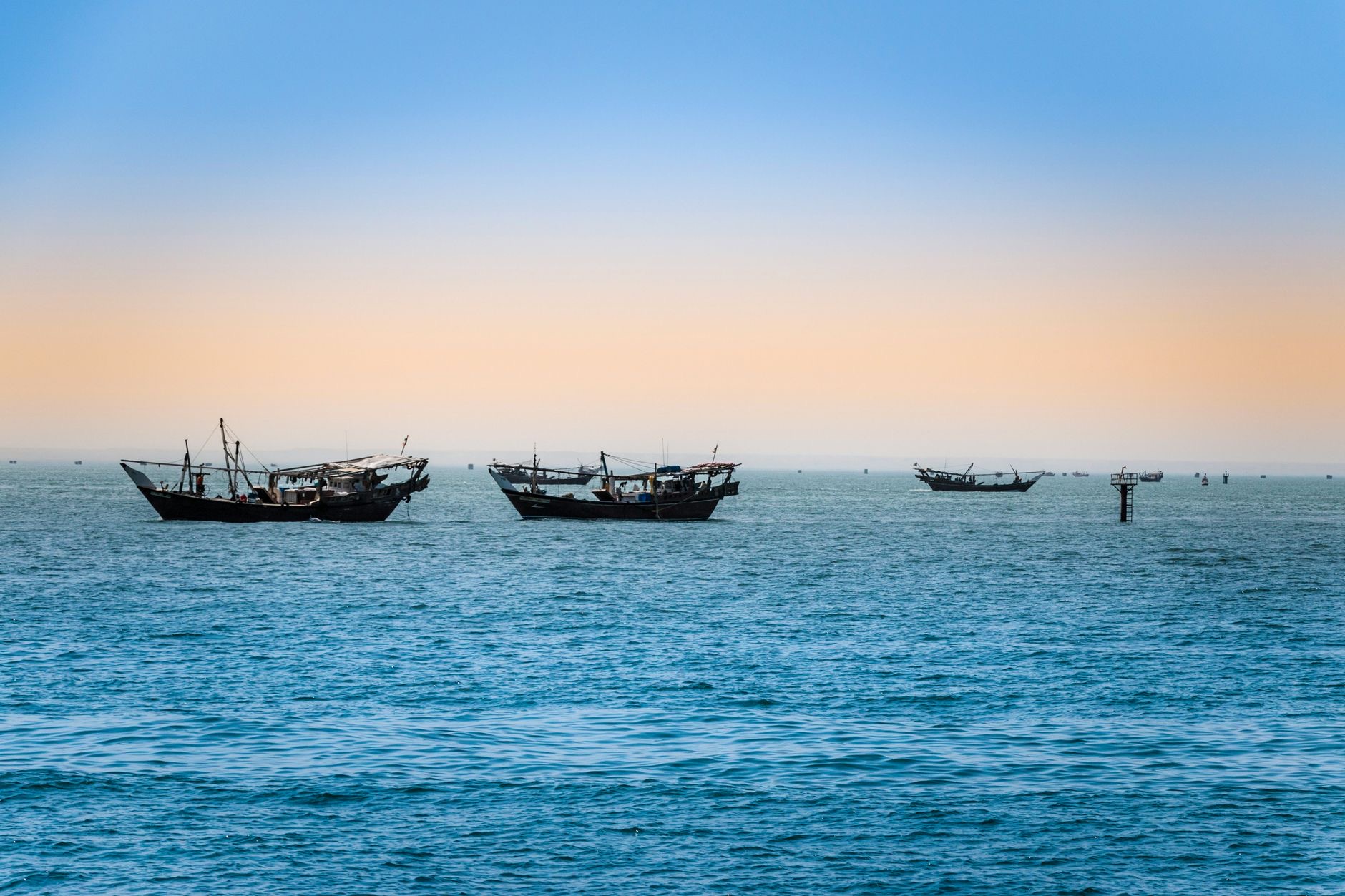
The Strait of Hormuz remains central to the dispute because the conflict is simultaneously a military, diplomatic and economic confrontation. Iran has asserted greater control over shipping in and around the waterway, while the United States has maintained a blockade against Iranian ports. The Associated Press reported that U.S. Central Command chief Adm. Brad Cooper said U.S.-supported operations had enabled about 1 billion barrels of oil to transit the strait over the previous two months and that Iran had exported no oil through the blockade. AP noted, however, that independent monitors still described shipping activity as well below prewar levels.
Iranian officials are also linking negotiations to the future operation of the waterway. Rezaei said Tehran had come close to an understanding with Oman concerning the Strait of Hormuz and that a framework remained available, although it might require broader regional backing. On September 20, Iranian Parliament Speaker Mohammad Bagher Ghalibaf said there would be no return to the previous negotiating environment or reopening of the strait until Iran believed its conditions and rights had been recognized and U.S. commitments fulfilled.
The confrontation has meanwhile expanded beyond the immediate U.S.-Iran theater. Saudi Arabia said on September 19 that Houthi forces in Yemen attempted a ballistic-missile strike on Riyadh, which Saudi authorities said was intercepted. The Houthis also claimed attacks on other Saudi targets. Those developments have increased concern that fighting involving Iran, Yemen and Gulf states could deepen while Washington and Tehran decide whether to return to talks.
For Americans in the region, the security environment remains a direct concern. The Associated Press reported that the State Department renewed a broad Middle East security alert on Saturday, warning that the conflict had the potential to escalate rapidly, while at least 11 U.S. embassies warned that travel disruptions were possible. Current State Department guidance also tells Americans to reconsider travel to several Gulf countries because of armed-conflict risks and maintains its highest-level “Do Not Travel” advisory for Iran.
The nuclear issue remains another unresolved part of any broader settlement. Rezaei said Iran had not decided to withdraw from the Nuclear Non-Proliferation Treaty but warned that additional sanctions or further international action against Iran’s nuclear program could affect that position. He said Tehran’s stated nuclear doctrine remained unchanged. His comments add another potential negotiating track to disputes over military operations, sanctions, frozen assets and maritime security.
As of September 20, there had been no publicly announced U.S. acceptance of Iran’s latest conditions. That leaves the immediate diplomatic question with Washington: whether the administration treats the Iranian package as a basis for renewed negotiations, seeks changes through Qatar or other mediators, or continues relying primarily on military and economic pressure. What is clear from Tehran’s latest message is that Iran is attempting to pursue both tracks at once—offering mediated negotiations while emphasizing preparations for another round of conflict.




Leave a Reply