
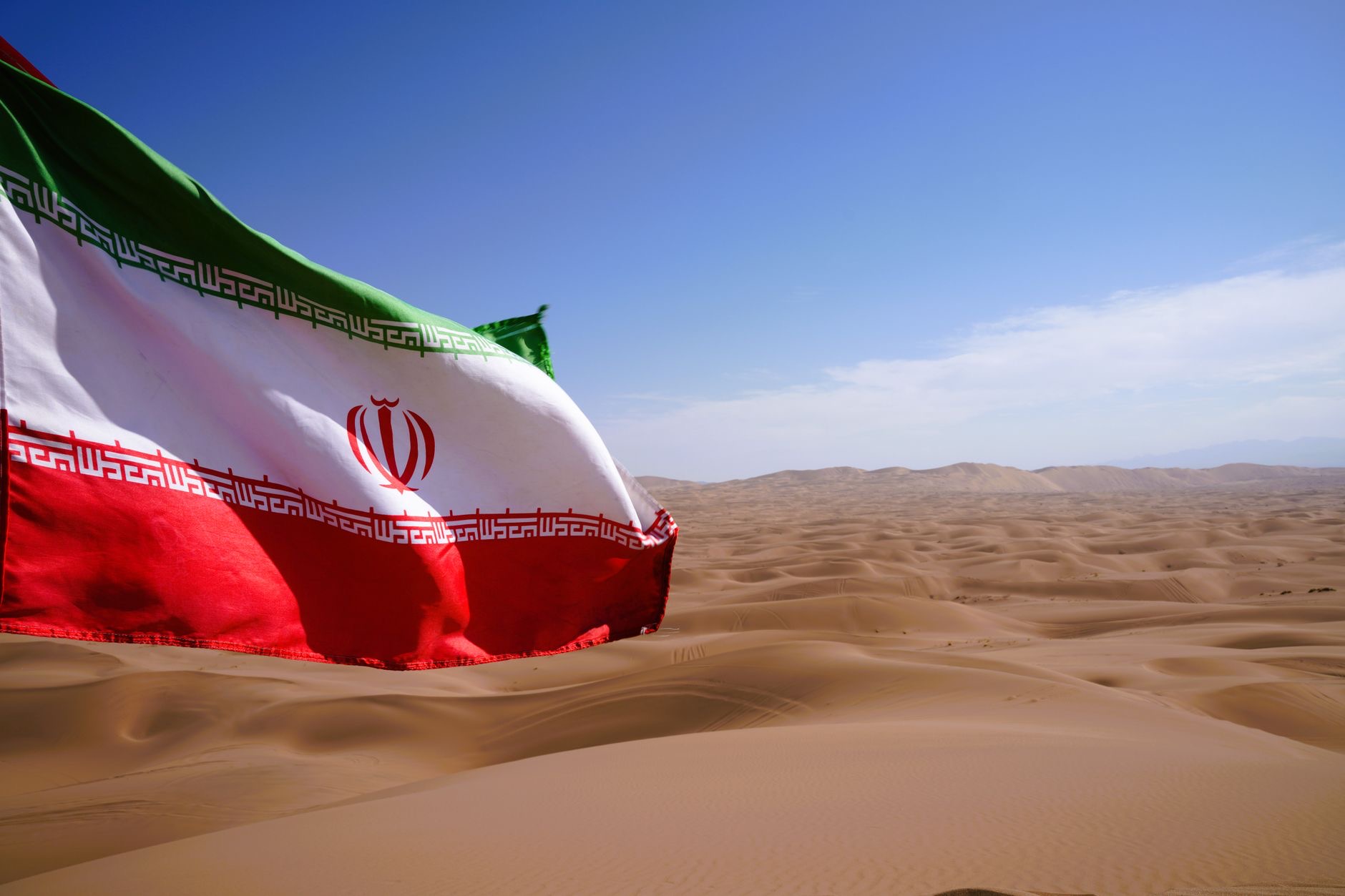
WASHINGTON, Nov. 2, 2026 — President Donald Trump said Monday that he was in no rush to decide whether to resume military operations against Iran, leaving the Middle East facing another period of uncertainty as diplomats worked to prevent renewed large-scale fighting. In an interview with Axios, Trump said Washington remained engaged in negotiations but retained the option of additional military action if talks failed.
The president’s comments came one day before the November 3 U.S. midterm elections, a deadline that has become increasingly significant in regional assessments of American military intentions. Trump has indicated that the United States would not launch new attacks before the vote but has avoided committing to a longer pause. His position has left governments across the Persian Gulf uncertain whether Washington’s warnings represent negotiating pressure or preparations for renewed hostilities.
Trump also acknowledged speaking with Israeli Prime Minister Benjamin Netanyahu over the weekend. He described their Saturday conversation positively and confirmed that Iran was discussed, without disclosing substantive details. The Associated Press reported Monday that Netanyahu had urged Trump to support another round of strikes after the American elections. According to people familiar with the discussions, Trump did not commit to military action.
Secretary of State Marco Rubio reinforced the administration’s position over the weekend, saying the president had not decided whether to authorize further strikes. Rubio emphasized that Washington preferred a diplomatic outcome while maintaining confidence in its military capabilities. The distinction is central to the administration’s current strategy: continuing pressure on Iran while leaving open the possibility of an agreement that could end the conflict without another major offensive.
Differences within Washington also appear to be shaping the debate. Axios reported Monday that Vice President JD Vance and envoy Steve Witkoff favored pursuing a negotiated settlement, while Netanyahu and Defense Secretary Pete Hegseth supported renewed military operations. Other senior American officials were reported to favor sustained economic pressure without an immediate return to full-scale fighting. Trump has not publicly endorsed any single approach as his final decision.
Diplomatic contacts have continued despite the uncertainty. Iranian negotiators spent several days meeting Qatari intermediaries in Doha before departing Sunday. Reuters reported that their departure did not necessarily indicate a breakdown, and that a draft proposal was circulating among participants. Iranian Foreign Ministry spokesperson Esmaeil Baghaei confirmed Monday that Washington and Tehran were continuing to exchange messages through mediators, although no breakthrough had been announced.
The negotiations center partly on a proposal originally submitted by Iran in September. Tehran has suggested accelerating implementation of the arrangement from approximately seven days to two days. The framework addresses the U.S. naval blockade on Iranian ports, restrictions on Iranian oil sales and the reopening of the Strait of Hormuz, a strategic waterway whose disruption has affected international energy transportation throughout the conflict.
Iranian officials say the revised timetable does not represent a retreat from their underlying demands. Tehran wants Washington to address restrictions on its maritime trade and oil exports before broader negotiations move forward. The proposed sequence also includes potential sanctions relief and subsequent discussions of other outstanding disputes. Trump rejected the earlier seven-step proposal in September, leaving significant questions about whether the latest modifications would be sufficient for an agreement.

The nuclear issue remains another major obstacle. Washington has sought guarantees concerning Iran’s nuclear program, while Tehran has linked the resumption of substantive nuclear discussions to implementation of its conditions. Baghaei said Monday that discussions had not addressed a possible transfer of Iran’s highly enriched uranium stockpile to another country. The competing positions illustrate why a faster implementation schedule alone may not resolve the underlying disagreements.
Iranian Foreign Minister Abbas Araghchi described diplomatic exchanges as intensive while emphasizing that his government remained prepared for military confrontation. Iranian officials have repeatedly warned that additional American or Israeli attacks would bring retaliation against a wider range of targets. Supreme Leader Ayatollah Mojtaba Khamenei has also called for military readiness and an immediate response to renewed threats, according to reporting by the Associated Press.
Those warnings have raised concerns about an escalation extending beyond Iran and Israel. American military facilities across the Middle East, critical energy infrastructure and commercial transportation routes could face renewed risks if hostilities intensify. Iranian officials have suggested that retaliation would not necessarily be geographically limited, although the specific targets and capabilities involved in any future confrontation remain uncertain.
Israel’s position adds another complication. The Associated Press reported that Netanyahu was seeking a swift, substantial air campaign against Iran and had discussed renewed strikes with American officials. His push comes amid domestic political uncertainty following Israel’s parliamentary elections. Nevertheless, an Israeli preference for military action does not establish that Washington has approved an operation, and the White House has not announced a decision to resume large-scale strikes.
Other American partners in the region are urging restraint. Gulf governments have warned that renewed fighting could destabilize neighboring countries and encourage additional attacks by Iran-aligned groups. At a security conference in Bahrain, United Arab Emirates presidential adviser Anwar Gargash emphasized the risks of another confrontation if the opposing sides failed to narrow their differences. Egyptian officials similarly warned that further escalation could deepen regional damage without producing a sustainable settlement.
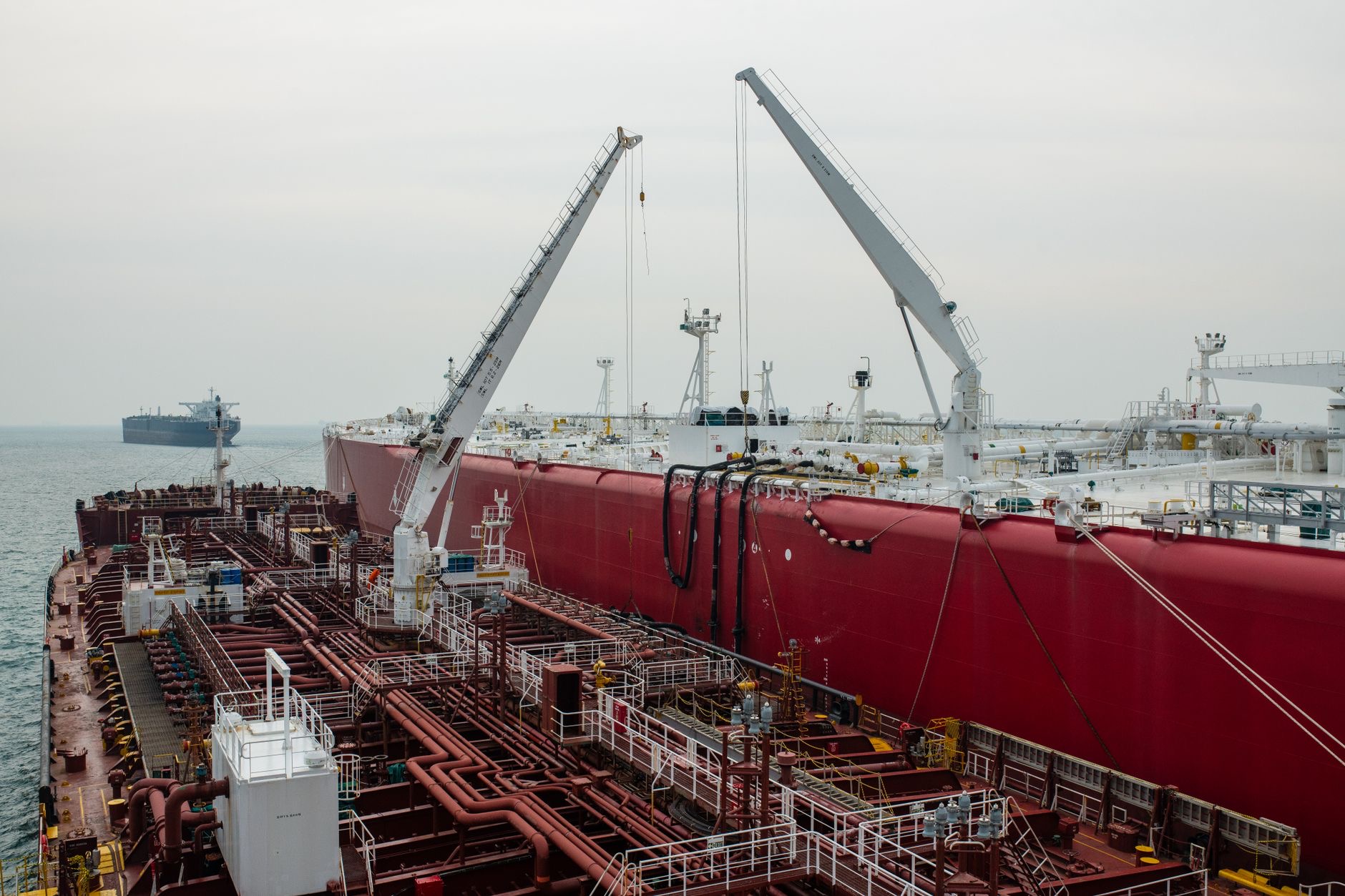
Maritime security remains an immediate concern. On Monday, the United Kingdom Maritime Trade Operations center reported that a vessel traveling through the Strait of Hormuz had been struck by an unidentified projectile. The crew was reported safe. Separately, Qatar’s shipping company Nakilat said a liquefied natural gas carrier had sustained damage after being struck by unidentified objects in the Gulf. Responsibility for these incidents had not been conclusively established.
The shipping disruptions have significant implications for international commerce. The Strait of Hormuz is a critical passage for oil and liquefied natural gas shipments, and restrictions on traffic can affect freight costs, insurance premiums and energy prices. For the United States, instability in the region can influence gasoline prices and business transportation expenses even when particular shipments are not destined for American ports.
Financial markets have responded to the changing diplomatic outlook. Oil prices declined Monday as investors considered the possibility that negotiations could prevent another round of attacks. Reuters reported a decline of nearly 4% during trading, while MarketWatch described reduced expectations of immediate renewed fighting. The market reaction suggested growing interest in a diplomatic opening, although it did not establish that a settlement was imminent.
China and Russia have also called for diplomatic efforts to prevent escalation. Chinese Foreign Minister Wang Yi emphasized political solutions during discussions involving Iranian officials, while Moscow expressed concern about reports of possible renewed military action. Beijing additionally announced plans to send a special envoy to Iran, Oman and Saudi Arabia in November. Their involvement reflects the broader international consequences of a conflict affecting energy markets and regional security.
The current confrontation follows the U.S.-Israeli military campaign launched against Iran on February 28, 2026. Since then, the conflict has involved Iranian missile and drone attacks, restrictions on maritime trade, American military operations and repeated attempts to negotiate an end to hostilities. The war has also complicated relations among regional governments that maintain security partnerships with Washington while seeking to avoid direct involvement in further fighting.
For the Trump administration, the approaching elections introduce an additional political dimension. The president must weigh the military consequences of escalation against the possibility of obtaining concessions through economic pressure and diplomacy. Another offensive could involve substantial costs, additional risks to American personnel and further instability in energy markets. Conversely, an agreement that leaves major disputes unresolved could face criticism from those advocating a more confrontational policy toward Tehran.
The latest diplomatic efforts have produced cautiously encouraging signals, but important differences remain. Trump said Monday that Iran wanted an agreement and that a deal could happen, according to Reuters. Tehran has expressed conditional willingness to continue negotiations while insisting that Washington address its demands. Neither government has announced an agreement on the central issues of sanctions, maritime restrictions, nuclear commitments and security guarantees.
The immediate question is whether the Qatari-mediated discussions can turn those positions into an acceptable framework before another military decision changes the situation. A successful arrangement could begin restoring shipping activity and provide a foundation for broader negotiations. Failure could expose the region to renewed attacks and further economic disruption. As November 3 approaches, Trump’s refusal to rule out either diplomacy or force remains the defining uncertainty in the U.S.-Iran confrontation.




Leave a Reply