
Iranian Foreign Minister Abbas Araghchi and Pakistan’s Deputy Prime Minister and Foreign Minister Ishaq Dar held a telephone call Saturday focused on regional tensions, energy supplies and maritime traffic, as Pakistan continued efforts to preserve a diplomatic channel between Tehran and Washington during a renewed period of strain.
Pakistan’s Foreign Office said the ministers discussed the latest regional developments. Dar stressed the importance of “uninterrupted energy supplies” and the “safe and expeditious passage of ships,” particularly because disruptions can affect developing countries and global supply chains. He also underscored Islamabad’s position that dialogue and diplomacy remain the viable means of securing regional peace and stability.
The two officials agreed to maintain close cooperation and to meet in New York on the sidelines of the 81st United Nations General Assembly, according to the Pakistani statement. The planned meeting gives Islamabad and Tehran another opportunity for direct consultations at a gathering where the conflict involving Iran is expected to feature prominently in diplomatic discussions.
The call comes against the backdrop of continuing friction over the U.S.-Iran confrontation and the fate of the Islamabad Memorandum of Understanding reached in June. Pakistan played a central mediating role in producing that framework, with Qatar also supporting efforts to bring the two sides together.
The June understanding was designed to halt military operations and establish a process for negotiating a more durable agreement. It also addressed one of the most economically consequential elements of the conflict: navigation through the Strait of Hormuz, the narrow waterway connecting the Persian Gulf with the Arabian Sea and global shipping routes.
Implementation subsequently encountered serious difficulties. Anadolu Agency reported Saturday that disagreements between Washington and Tehran over the Strait of Hormuz contributed to the breakdown of progress toward a final settlement. Iranian officials have meanwhile continued to say that diplomatic efforts are underway to revive the Islamabad framework and resolve disputes over compliance.

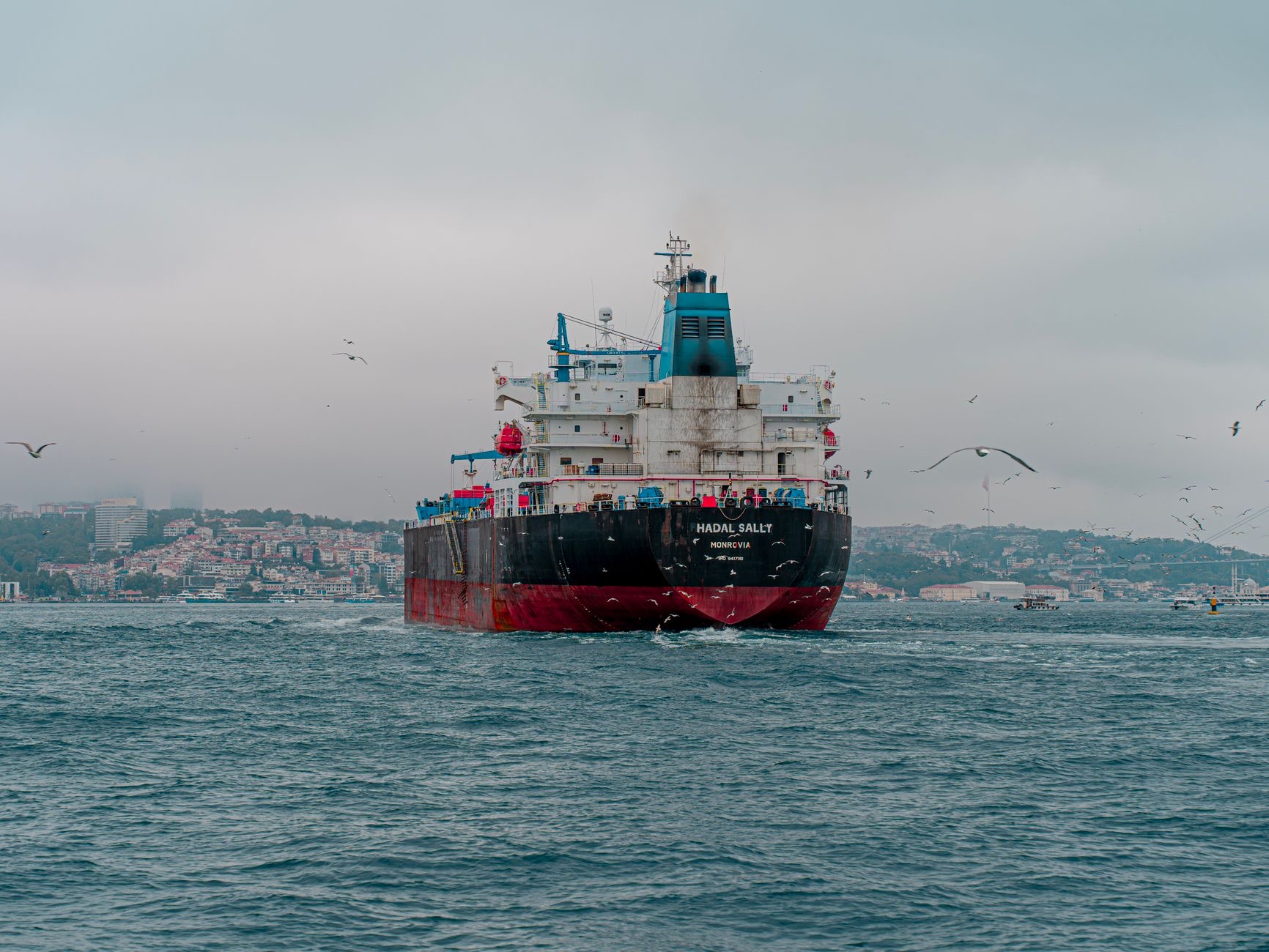
That maritime dimension helps explain Dar’s emphasis Saturday on commercial shipping and energy supplies. The Strait of Hormuz remains strategically important not only to Gulf producers and Asian importers but also to the broader international energy market. Disruption there can increase transportation and insurance costs, complicate tanker movements and add volatility to oil and fuel prices well beyond the Middle East.
The issue also carries significant consequences for the United States. Washington maintains military forces and security relationships throughout the Gulf, while American consumers and businesses remain exposed to global petroleum-market movements even as the United States produces large quantities of oil domestically. Extended disruption of shipping can therefore transmit regional instability into U.S. fuel prices, transportation expenses and financial markets.
Recent events have kept those risks in focus. The Associated Press reported this week on continuing tensions surrounding tanker movements in the Strait of Hormuz and on U.S. efforts to maintain oil transit through the waterway. The broader confrontation has also intersected with instability elsewhere in the Middle East, making maritime access an increasingly important part of efforts to prevent further escalation.
Pakistan occupies an unusual diplomatic position in that environment. It shares a border with Iran, maintains relationships with Gulf Arab governments and has direct channels to Washington. Islamabad was involved in the diplomacy that produced the June memorandum and has continued advocating implementation of the arrangement even as disagreements between the United States and Iran have persisted.
Pakistan’s government has repeatedly framed its role as facilitative rather than as an attempt to dictate terms to either side. Earlier Pakistani statements said implementation of the Islamabad agreement offered a route to de-escalation and emphasized continued discussions involving regional and international participants.
Saturday’s call did not produce a publicly announced breakthrough. Pakistan’s statement focused instead on coordination, safe maritime passage and the importance of diplomacy. Iranian reporting similarly said Araghchi and Dar exchanged views on developments in the region and matters of mutual interest without announcing a new agreement.
The next major diplomatic opportunity could come in New York. The United States has approved visas for senior Iranian officials, including President Masoud Pezeshkian and Araghchi, to attend the U.N. General Assembly meetings, the Associated Press reported. Their presence does not guarantee direct U.S.-Iran negotiations, but it places senior officials from both countries — as well as mediators and regional governments — in the same city during a period of intensive diplomacy.
For Pakistan, the planned Dar-Araghchi meeting gives Islamabad another chance to press its priorities: containing regional escalation, preserving energy supplies and protecting maritime trade. Those priorities overlap with broader concerns among governments whose economies depend heavily on imported energy or shipping routes through the Gulf.
For Washington and Tehran, however, the central obstacle remains implementation of the commitments that were supposed to turn the June understanding into a more permanent settlement. The latest Pakistan-Iran contact shows that diplomatic channels remain active, but neither government announced evidence Saturday that the underlying U.S.-Iran disputes had been resolved.
Attention will therefore shift toward the New York meetings and whether Pakistan or other intermediaries can narrow the gap. Until then, commercial shipping through the Gulf and the durability of the Islamabad framework remain closely linked to a broader question facing the region: whether intermittent diplomacy can prevent the U.S.-Iran confrontation from producing another cycle of military escalation and economic disruption.



Leave a Reply