
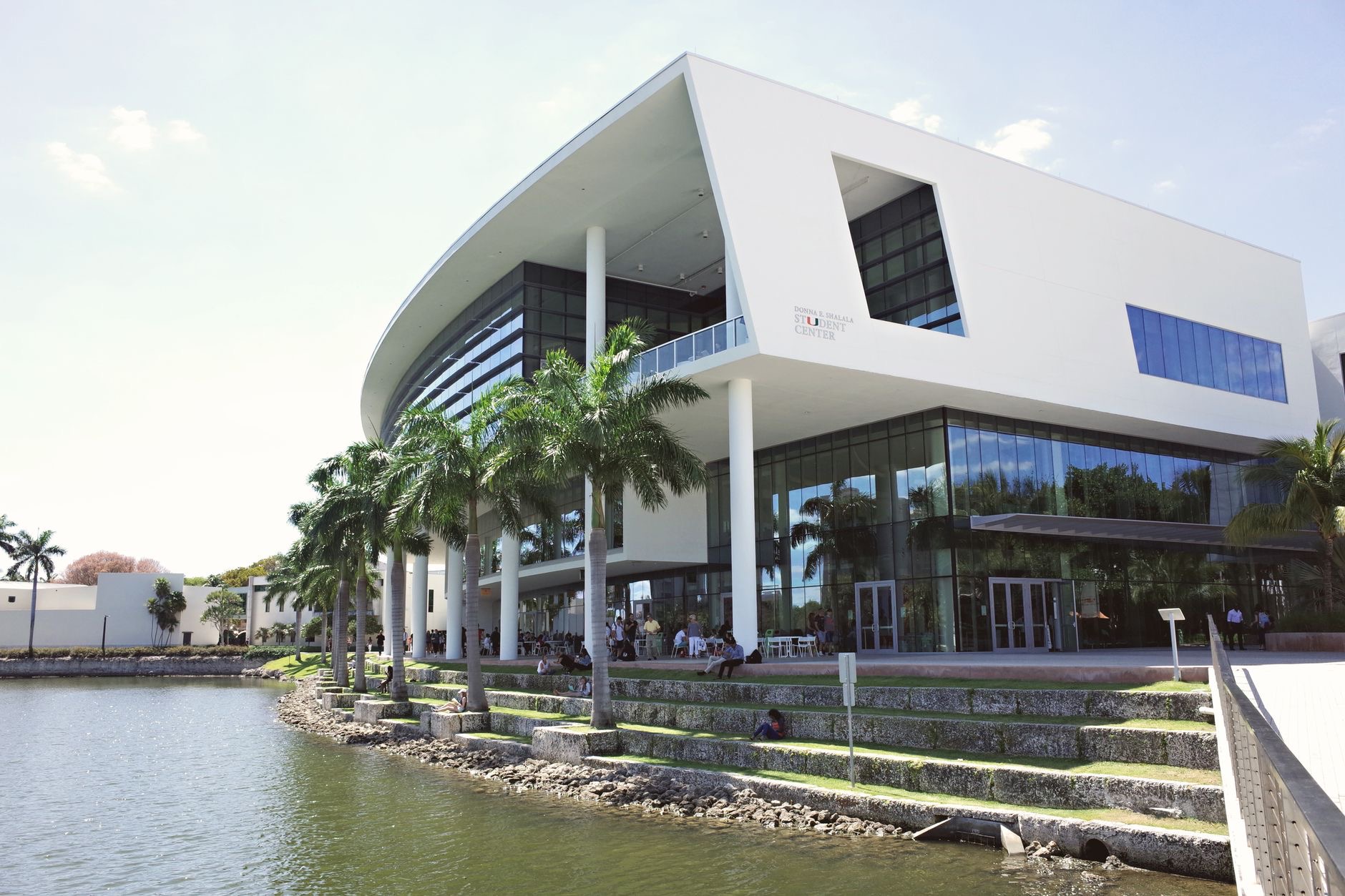
MIAMI — Florida International University’s partnership with U.S. Immigration and Customs Enforcement has become a prominent test of how far campus police should participate in federal immigration enforcement, particularly at a public university where Hispanic and immigrant communities are central to institutional life. A Washington Post report published Saturday detailed the continuing consequences of FIU’s decision to join ICE’s 287(g) program, which permits trained state and local officers to perform specified immigration functions under federal supervision.
The agreement was finalized in July 2025 after months of concern from faculty members and students. According to The Post, university leadership had approved a plan to deputize as many as four campus officers, although FIU said only two officers on the force ultimately completed the relevant training. The university told the newspaper that none of its roughly 55,000 students had been detained on immigration charges by FIU police since the partnership took effect and that officers were not routinely stopping people to demand proof of citizenship.
Under Section 287(g) of the Immigration and Nationality Act, ICE may delegate certain federal immigration functions to participating state and local law-enforcement personnel. ICE describes its Task Force Model as allowing trained officers to exercise limited immigration authority during ordinary police duties, with federal oversight determining subsequent immigration-enforcement steps. The program also requires participating officers to receive ICE training that includes immigration law, multicultural communication and measures intended to prevent racial profiling.
The arrangement carries particular significance at FIU. University admissions materials for fall 2024 listed 64% of students as Hispanic and enrollment above 54,000. FIU has also described itself as one of the nation’s largest Hispanic-serving institutions and says it graduates more Hispanic students across STEM and other disciplines than any other university in the United States. Its Miami campuses have long drawn heavily from South Florida’s Cuban, Venezuelan, Colombian and other Latin American communities.
FIU Police Chief Alexander Casas has defended participation as a way for the university to retain more control when immigration enforcement touches the campus. At meetings with faculty, Casas argued that if federal immigration authorities were seeking an FIU student, he wanted the university police department involved rather than having the institution entirely outside the process. President Jeanette Nuñez has similarly defended the arrangement. Their position is that participation can provide an institutional role in encounters that federal authorities might otherwise conduct without FIU police.

Opponents have focused on a different concern: whether students who fear immigration consequences will continue to view campus police primarily as a source of protection. Faculty members questioned the arrangement at meetings in 2025, and students organized protests calling on FIU to end its ICE partnership. Critics have said that even if immigration powers are exercised rarely, their existence can change how undocumented students, international students and mixed-status families perceive encounters with university officers. FIU officials have said that immigration enforcement has not changed the department’s ordinary approach to campus policing.
The decision came amid Florida’s broader effort to expand cooperation between state law enforcement and federal immigration authorities. In February 2025, Gov. Ron DeSantis announced additional 287(g) agreements involving state agencies and said Florida wanted more officers trained and authorized to assist ICE. The governor’s office said the agreements could permit participating personnel to conduct specified immigration inquiries, make certain arrests and transport detainees while operating under federal authority and oversight.
Florida law also treats state university and college police departments as law-enforcement agencies for purposes of the state’s immigration-enforcement framework, although the specific statutory requirement to enter a 287(g) agreement applies directly to sheriffs and chief correctional officers operating county detention facilities. The Post reported that university police departments were not covered by the particular mandate cited during the early 2025 push, but that Florida officials nevertheless encouraged campus agencies to participate.
At FIU, the effects have extended beyond the police department. The Washington Post reported that philanthropist Mike Fernandez withdrew a planned $1 million donation and that TheDream.US, a scholarship organization serving undocumented young people, ended its relationship with FIU. The organization had previously identified FIU as one of its Florida partner colleges for undocumented students. More than 180 students had been receiving assistance through the program, according to The Post, and most transferred elsewhere after support at FIU ended.

The dispute has unfolded while FIU continues to attract new students. The university said more than 5,400 first-time college students entered during summer and fall 2026, with applicants coming from all 50 states and incoming international freshmen representing 62 countries. That growth underscores the competing responsibilities facing university administrators: complying with state and federal policy priorities while maintaining confidence among a student body that includes U.S. citizens, lawful permanent residents, international students and families with varying immigration statuses.
The debate also reaches beyond FIU. The Washington Post reported that 15 Florida public colleges had adopted the most expansive form of 287(g) participation, making the state’s higher-education system an important arena for the federal program. Faculty bodies elsewhere in Florida have urged universities to withdraw, arguing that immigration enforcement can interfere with the trust campus police need to investigate crimes and protect students. Supporters of 287(g), including ICE and Florida state officials, counter that training local officers expands cooperation with federal authorities and strengthens enforcement capacity.
For FIU, the practical question is now less about whether the agreement exists than about how it is used. Campus officials say the trained officers have not detained FIU students on immigration charges and maintain that regular police operations remain unchanged. Students and faculty who oppose the agreement say the authority itself can affect behavior even when it is rarely exercised. More than a year after FIU first moved toward the partnership, that divide continues to shape debate over policing, immigration and institutional trust at one of South Florida’s most prominent public universities.




Leave a Reply