
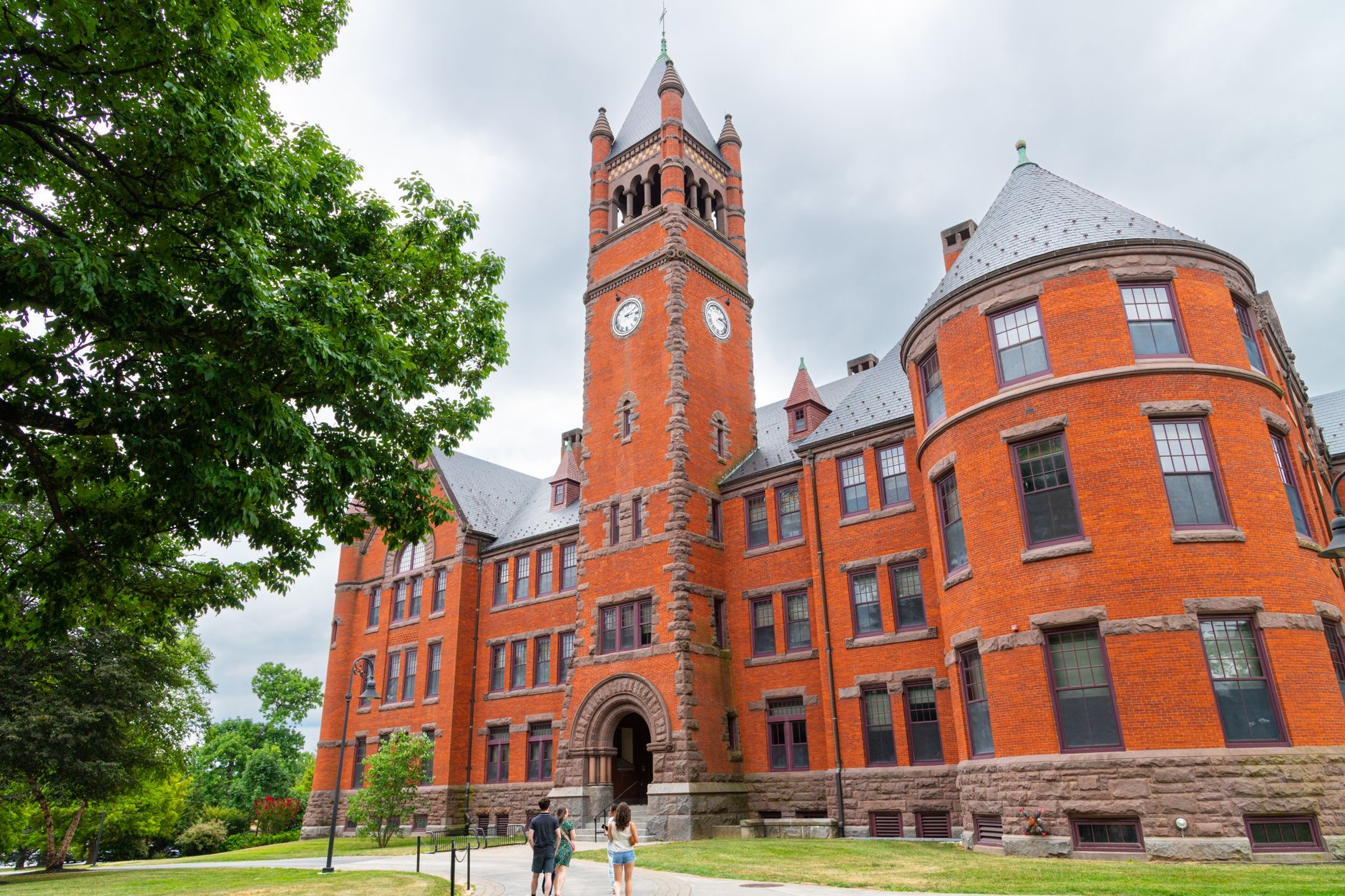
Lincoln Memorial University has reached a voluntary settlement with two federal agencies after investigators concluded that its medical school discriminated against Jewish students seeking accommodations to observe religious holidays. The Justice Department’s Civil Rights Division and the Department of Health and Human Services Office for Civil Rights announced the agreement on Sept. 15, saying it resolves a joint investigation into practices at LMU’s DeBusk College of Osteopathic Medicine. The federal agencies said the investigation was conducted under Title VI of the Civil Rights Act of 1964 and Section 1557 of the Affordable Care Act.
Federal investigators said the dispute centered on how the medical school handled requests to miss or reschedule mandatory academic activities. During the 2025-26 school year, according to the Justice Department and HHS, Jewish students asked to reschedule classes, examinations and other assignments so they could observe religious holidays. Investigators said those requests were denied even though non-Jewish students seeking comparable accommodations received them. The agencies characterized the difference as unequal treatment under federal civil-rights protections applicable to institutions receiving federal financial assistance.
The conflict intensified in January 2026 after Jewish students challenged what federal investigators described as a double standard. According to the government, the DeBusk College of Osteopathic Medicine then adopted a policy stating that religious observance requests would not be accommodated. At the same time, however, the school continued allowing excused absences for professional student leadership obligations and other nonreligious reasons. That distinction became a central issue for investigators because students could still obtain academic flexibility for certain secular activities while religious observances were categorically excluded.
The Justice Department and HHS opened their joint investigation in February. At that stage, federal officials said they were examining whether the university’s treatment of Jewish students violated Title VI and Section 1557, without announcing a conclusion. Title VI prohibits discrimination on the basis of race, color or national origin in programs receiving federal financial assistance. In announcing the investigation earlier this year, the Justice Department said antisemitism can constitute discrimination based on race or national origin under federal precedent. The involvement of HHS reflected the case’s connection to medical education and programs receiving federal healthcare-related financial assistance.

The settlement sets out several corrective steps. LMU-DCOM must revise its absence policy so religious observances can qualify for excused absences on the same basis as nonreligious reasons. Once an absence is approved, the student cannot be penalized academically because of it. The medical school must also educate students, administrators, professors, faculty and staff about the revised policy. Federal officials said the university will additionally reverse penalties imposed on Jewish students who were denied religious accommodations during the 2025-26 school year. The agencies did not identify the affected students or disclose how many students had received penalties.
The agreement also resolves an important financial question for the university. DOJ and HHS said LMU will remain eligible for federal funding because it cooperated with the investigation and agreed to the required changes. The federal investigation will not be formally closed until the university completes the commitments in the settlement. That structure gives the agencies an ongoing compliance role while allowing the institution to continue receiving federal assistance during implementation. The government’s announcement did not disclose a monetary payment or civil penalty associated with the resolution.
Lincoln Memorial University, a private institution based in Harrogate, Tennessee, told WVLT that it had spent months working with the Justice Department toward what it described as an amicable resolution. The university said its policies are intended to maintain academic standards while meeting the needs of a diverse student body and said it does not tolerate antisemitism or discrimination. LMU added that it remains focused on providing an educational environment supporting student success. The university’s statement marked a shift from the investigative stage earlier in the year, when federal authorities had not yet reached conclusions about the allegations.

The settlement is especially relevant for professional schools, where attendance requirements, examinations, laboratories and clinical responsibilities can make religious accommodations more complicated than in courses with flexible schedules. The federal action does not establish that every request for a religious absence must automatically be approved. Instead, the settlement focuses on equal treatment: LMU-DCOM must evaluate religious reasons under the same framework it uses for other excused absences and may not impose penalties when an approved accommodation is used. That distinction places the emphasis on consistent administration of academic policies rather than creation of an unrestricted exemption from program requirements.
For students and administrators elsewhere in higher education, the case also illustrates the potential federal consequences of policies that appear neutral on paper but distinguish between religious and nonreligious needs in practice. The Justice Department’s Educational Opportunities Section has been active in civil-rights matters involving schools and universities, while HHS’ Office for Civil Rights has authority over covered healthcare and federally assisted programs. In this case, the two agencies coordinated their investigation because the dispute involved both higher education and the training of future healthcare professionals.
The settlement arrives as Jewish students prepare for major religious observances during the fall academic calendar. Federal officials specifically cited the timing in announcing the agreement and said universities should provide equal treatment to students regardless of ethnic or religious background. At Lincoln Memorial University, the immediate test will be implementation: revising the attendance rules, communicating them across the medical school, correcting earlier penalties and demonstrating compliance to federal regulators. Once those commitments are completed, DOJ and HHS said they will close the investigation.



Leave a Reply