
The diplomatic response to the Iran crisis broadened over the weekend as a rare consensus emerged at the BRICS summit in New Delhi and preparations continued for a separate Iran-Gulf meeting in Oman focused on the Strait of Hormuz. Together, the developments show regional governments searching for ways to contain a conflict that has disrupted shipping, increased pressure on energy markets and drawn the United States deeper into a confrontation with Tehran.
At the BRICS summit, leaders adopted a joint declaration expressing concern over the escalation in the Middle East and calling for “maximum restraint.” The agreement was notable because the expanded grouping includes both Iran and the United Arab Emirates, whose positions had previously complicated efforts to produce common language on the conflict. BRICS foreign ministers were unable to reach comparable consensus earlier in the year.
The diplomatic significance went beyond the written declaration. Iranian President Masoud Pezeshkian met Abu Dhabi Crown Prince Sheikh Khaled bin Mohamed bin Zayed Al Nahyan on the sidelines of the summit, the highest-level encounter between the two countries since the current conflict began. According to the Abu Dhabi side, the discussion covered regional stability, de-escalation and efforts to advance peace and development. No specific political settlement was announced.
For India, which hosted the summit, producing consensus offered evidence that BRICS can serve as a venue for negotiations even when member governments have sharply different security relationships. Iran is a member of the grouping, while the UAE remains a close U.S. security partner. The declaration also reiterated support for resolving disputes through dialogue and diplomacy and criticized sanctions imposed outside the framework of the United Nations Security Council, language with clear relevance to Tehran’s confrontation with Washington.
The next diplomatic test is moving to Oman. Iran has said foreign ministers from regional states are expected to gather in Oman on Monday to discuss Gulf security and arrangements affecting navigation through the Strait of Hormuz. Iranian Foreign Ministry spokesman Esmail Baghaei described the planned meeting as an effort to improve regional understanding and strengthen shared security.
Expectations for a concrete Hormuz agreement remain uncertain. Pezeshkian has publicly presented an optimistic timetable, saying Iran and Oman had developed a joint route and that regional foreign ministers could endorse an arrangement in Muscat. But a senior Iranian official subsequently told Reuters that Monday’s discussions were not expected to produce an immediately signed agreement governing the blockaded waterway. The official said disagreements remained, including Iran’s interest in collecting fees from vessels and Omani objections to such a system.

Participation is another unresolved issue. Bahrain has said it will not attend the talks, according to reporting ahead of the meeting, while Oman had not publicly detailed the gathering at the time those reports were published. That leaves the scope of the talks less settled than some Iranian statements have suggested.
Still, the Muscat track is not beginning from zero. Oman and Iran have been negotiating maritime arrangements for months. In an August 25 joint statement, the two countries said they had discussed a phased framework designed to restore safe navigation while preserving their respective sovereign rights. The proposal included a temporary joint navigation corridor through the strait and a joint mine-clearance project. Technical discussions were also expected to continue on a permanent corridor, information sharing, traffic management and related navigation and security services.
Those negotiations build on an earlier Oman-Iran process launched after the two sides reaffirmed that the Strait of Hormuz should remain a secure and open route for international navigation. Oman has repeatedly positioned itself as an intermediary capable of maintaining communication with Tehran while also engaging Washington and other Gulf governments. That role has become more important as military operations and commercial disruptions have narrowed the space for direct U.S.-Iran diplomacy.
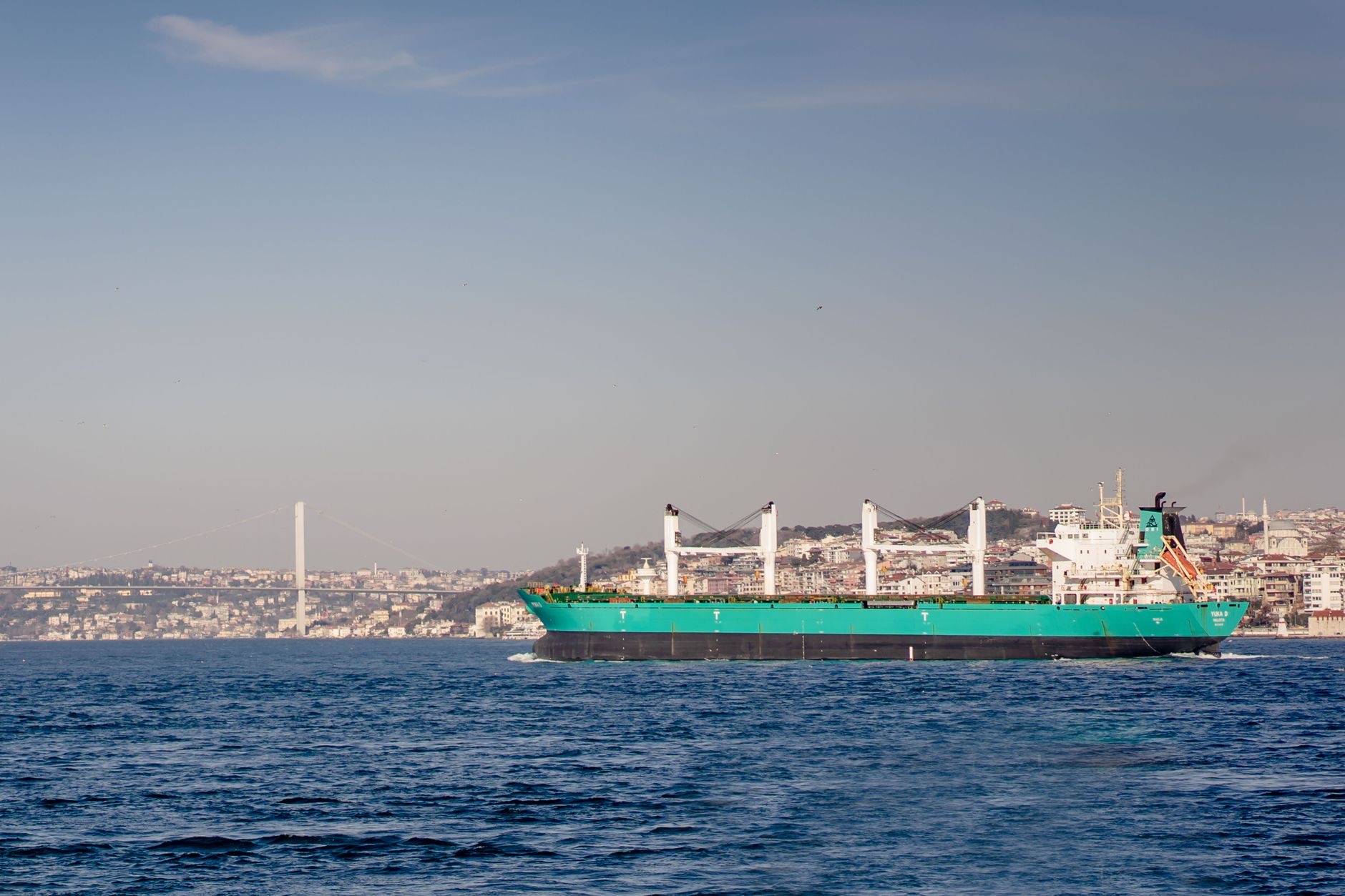
The immediate economic stakes are substantial. Roughly one-fifth of global oil supplies normally passes through the Strait of Hormuz, linking Persian Gulf producers with global markets. Shipping through the corridor has been heavily disrupted during the conflict, and renewed attacks involving vessels have reinforced concerns about supply security. Even limited progress toward predictable commercial passage could therefore affect expectations in oil, freight and insurance markets.
For the United States, however, a maritime arrangement would address only one part of the wider confrontation. Washington has maintained pressure on Iran through military operations, a blockade of Iranian ports and sanctions, while Tehran has linked a full reopening of Hormuz to changes in U.S. policy. That means regional negotiations can potentially reduce risks to commercial shipping without necessarily resolving the underlying U.S.-Iran dispute.

The competing accounts of what Monday’s meeting could accomplish illustrate that distinction. Iran has incentives to show that it is building regional support for a new security framework and reducing its diplomatic isolation. Gulf governments have an immediate interest in protecting shipping and energy infrastructure, but they also have differing relationships with Tehran and Washington and may resist arrangements that appear to give Iran unilateral authority over navigation.
BRICS offers Tehran a different diplomatic platform. Pezeshkian used the New Delhi summit to argue for stronger political and economic coordination among members and resistance to unilateral sanctions. The grouping’s declaration did not adopt Iran’s entire position, but its ability to produce language acceptable to both Tehran and Abu Dhabi represented a shift from earlier meetings where disagreements prevented consensus.
The New Delhi and Muscat tracks therefore serve different purposes. BRICS provides a broad political forum where Iran can engage major emerging economies and regional rivals, while Oman’s diplomacy is aimed at a narrower operational problem: restoring safer movement through one of the world’s most important shipping corridors. Neither track has yet produced a ceasefire, a settlement of the U.S.-Iran conflict or a final agreement on Hormuz.
What they do show is that the center of diplomatic activity is widening. India has demonstrated that adversaries can still reach limited consensus in a multilateral forum, while Oman is trying to translate months of technical negotiations into a regional maritime understanding. Whether those efforts develop into sustained de-escalation will depend on decisions not only in Tehran and Gulf capitals but also in Washington, where military pressure, sanctions and the terms for any broader negotiation with Iran remain central to the crisis.




Leave a Reply