
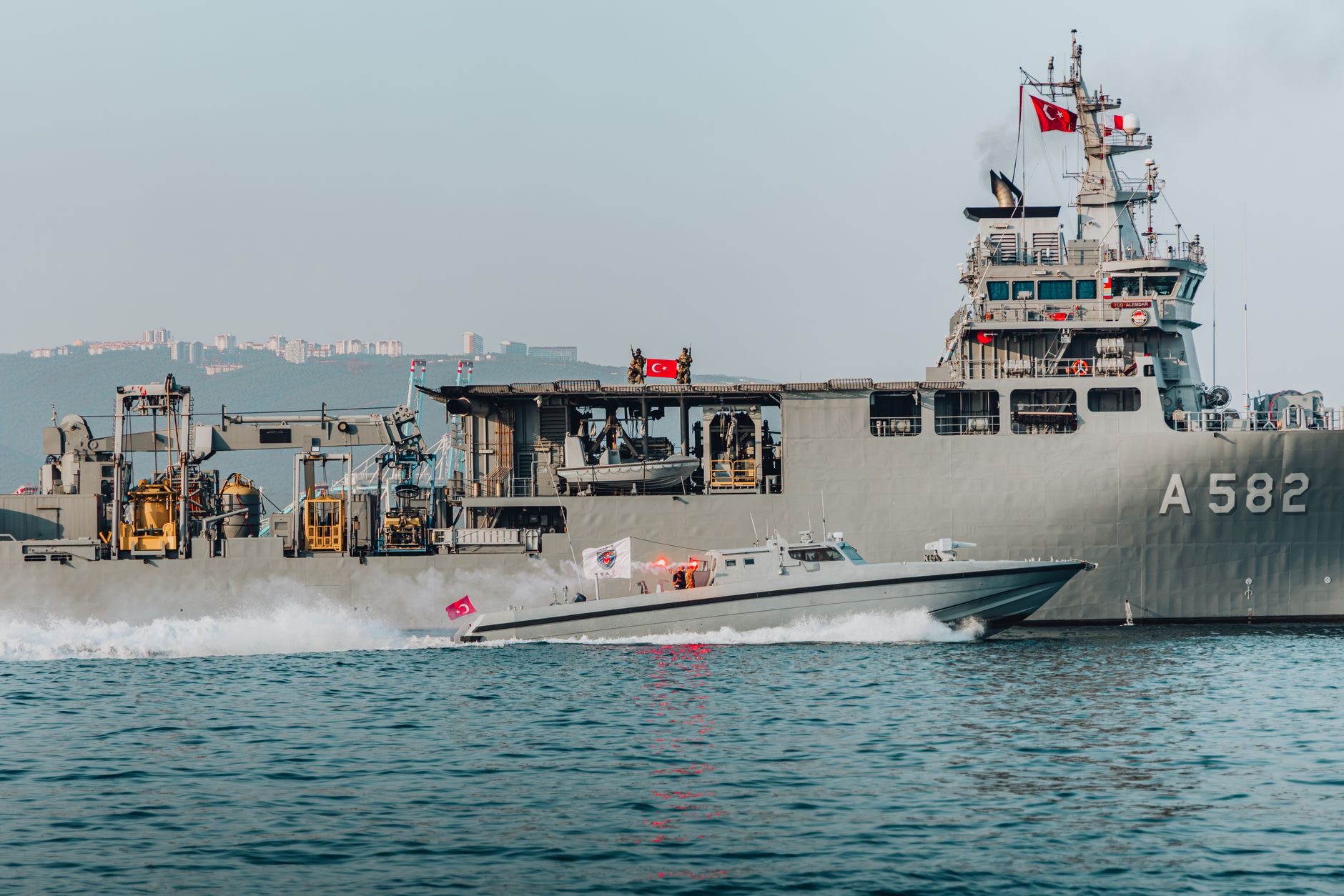
U.S. forces struck three Iranian oil tankers on Saturday after American Navy warships were targeted with missiles, the U.S. military said, marking the latest escalation in a conflict that is increasingly spilling from the battlefield into global energy markets, financial networks and competing diplomatic visions for the Middle East.
The Associated Press reported that the U.S. military said the tanker strikes followed attacks directed at Navy vessels and warned it could take further action against Iran’s oil fleet. The incident came after a week in which fighting resumed following roughly a month of relative calm. Iranian media separately reported that a tanker near Kharg Island, the country’s most important oil-export hub, had been hit. Initial Iranian reports said there were no casualties.
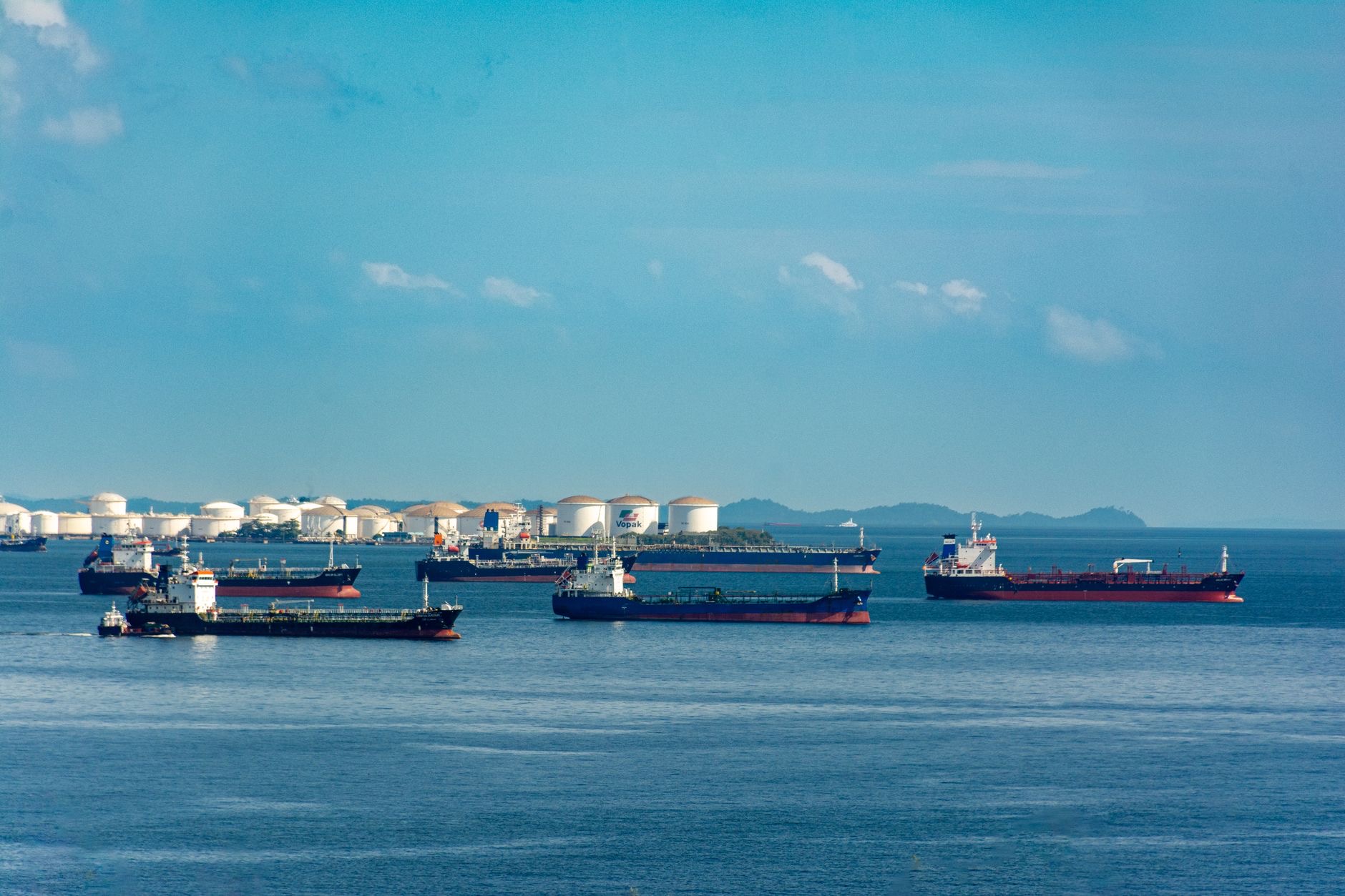
The exchanges underscore how the Strait of Hormuz and nearby energy infrastructure have become central to the conflict. The narrow waterway links Gulf producers with world markets and remains one of the most consequential maritime chokepoints for petroleum shipments. Continued instability has reduced commercial traffic and increased the risk premium embedded in oil and fuel prices, transmitting a regional military confrontation into transportation, manufacturing and consumer costs far beyond the Middle East.
Reuters reported on September 5 that Brent crude had gained more than 6% during the week while U.S. West Texas Intermediate had risen more than 8%, reflecting renewed military exchanges and fears of further supply disruption. U.S. diesel prices have also reached record levels during the conflict, adding pressure to trucking, agriculture and other industries that depend heavily on fuel. That makes the war directly relevant to American households even when fighting remains thousands of miles away.
Washington is simultaneously expanding the economic side of its campaign. On September 4, the U.S. Treasury Department designated Turkey-based Golden Global Yatirim Bankasi Anonim Sirketi and two subsidiaries. Treasury alleged that the bank had facilitated tens of millions of dollars in transactions connected to the Islamic Revolutionary Guard Corps-Quds Force and helped provide Iran with access to international financial channels.
The action is part of what the Trump administration calls Operation Economic Outcast, a campaign designed to cut institutions accused of supporting Tehran off from the U.S.-centered financial system. The significance extends beyond the three entities named this week. Washington is signaling that financial institutions outside Iran can face consequences if U.S. authorities determine they are assisting sanctioned Iranian networks, highlighting the continued global reach of the dollar and American financial regulation.

The diplomatic front is tightening as well. The United States, Britain, France and Germany are pressing members of the International Atomic Energy Agency’s 35-country board to support a resolution that would report Iran to the U.N. Security Council, Reuters reported. Diplomats said negotiations over the exact language were continuing ahead of the board’s next meeting.
Such a referral would return the nuclear dispute to one of the principal institutions of the post-World War II international system. Iran has not allowed IAEA inspectors to return to nuclear sites damaged during the conflict or fully verify remaining stocks of enriched uranium, according to the report. Iran maintains that its nuclear program is intended for peaceful purposes and notes its right under the Nuclear Non-Proliferation Treaty to develop civilian nuclear technology.
The combination of military strikes, financial sanctions and multilateral nuclear diplomacy illustrates why descriptions of an emerging “new world order” remain complicated. Washington continues to demonstrate enormous military reach and the ability to mobilize major European allies through existing institutions. Far from disappearing, the U.S.-led system remains capable of imposing costs simultaneously through armed force, banking restrictions and international organizations.
Yet Tehran is openly arguing that those institutions and security relationships should have less influence over the region’s future. On September 4, Iranian Parliament Speaker Mohammad Bagher Ghalibaf said regional countries should take greater responsibility for their own security. Referring to China’s emphasis on common security, he argued that lasting stability required what he described as a homegrown regional security architecture. The statement reflects Iran’s longstanding opposition to the large U.S. military presence in the Gulf, but its explicit reference to China places the argument within a wider geopolitical competition over international influence.
There is no evidence that Gulf governments have collectively embraced Tehran’s preferred system. Several host U.S. forces and maintain deep security ties with Washington. At the same time, regional governments have repeatedly sought diplomatic channels to prevent the conflict from expanding further. Egypt’s foreign minister on Saturday called for renewed U.S.-Iran negotiations and emphasized protecting maritime navigation, according to AP. Oman and other Gulf states have also played mediation roles at various stages of the crisis.
That mixture of dependence, hedging and diplomacy may be more important than claims that one global order is simply replacing another. The U.S. retains unmatched military and financial capabilities, while China’s economic influence gives regional governments another major power relationship to cultivate. Iran is trying to leverage that changing environment to challenge security arrangements built around Washington, but the outcome remains unsettled.
The conflict also presents a political challenge inside the United States. President Donald Trump on Friday described the confrontation as “small potatoes” and agreed with Vice President JD Vance’s argument that it should not necessarily be called a war because U.S. strikes have been intermittent. AP reported that the conflict, which began February 28, has nevertheless cost U.S. taxpayers more than $37.5 billion and killed 18 American service members. U.S. and Israeli operations have relied on air power rather than deploying American ground forces inside Iran.
The different descriptions illustrate a central uncertainty surrounding the confrontation: military pressure has continued for more than six months without producing a durable settlement. Each renewed exchange around Hormuz carries the possibility of retaliation against ships, bases, energy infrastructure or neighboring states, while sanctions and nuclear diplomacy create additional pressure points away from the battlefield.
For global markets and U.S. policymakers, the immediate question is therefore less whether a new world order has already arrived than whether this conflict accelerates an existing movement toward a more contested international system. The latest developments show Washington relying heavily on traditional sources of American power, while Tehran invokes regional autonomy and closer alignment with ideas promoted by China. What ultimately emerges will depend on whether those competing approaches produce negotiation, prolonged confrontation or a broader restructuring of Middle Eastern security.




Leave a Reply