
A U.S. envoy moved to clarify remarks about the Golan Heights on Monday after comments attributed to the diplomat appeared inconsistent with President Donald Trump’s longstanding position recognizing Israeli sovereignty over the strategic territory.
The clarification came after public attention focused on the envoy’s comments, which raised questions about whether Washington’s approach toward the Golan Heights had changed. The envoy said the remarks were being interpreted incorrectly and indicated that they did not represent a policy reversal.
The Trump administration has maintained that the United States recognizes the Golan Heights as part of Israel. In 2019, Trump signed a proclamation formally recognizing Israeli sovereignty over the territory, a move that departed from decades of U.S. policy and drew criticism from Syria and other governments.
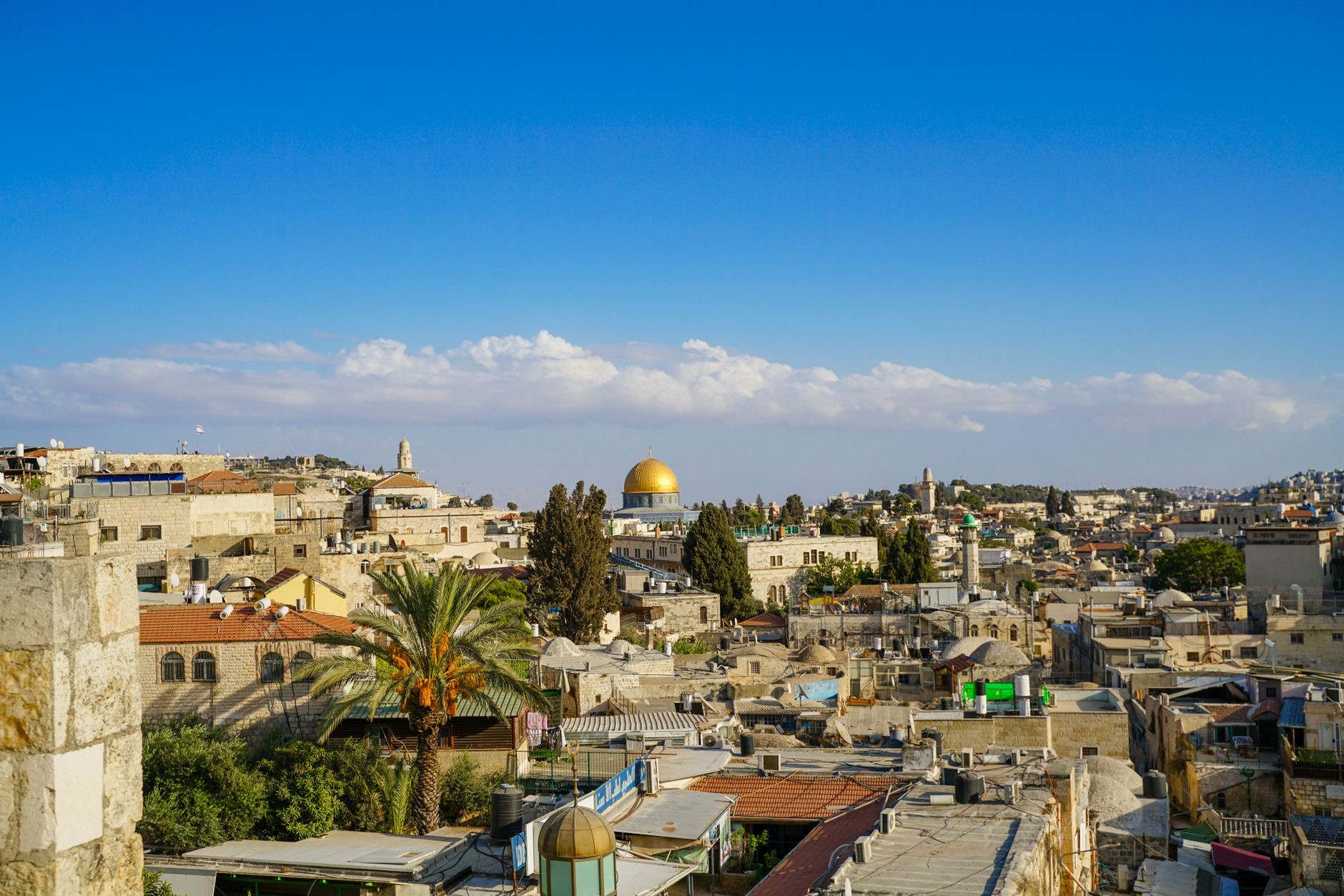
The Golan Heights has strategic importance because of its location overlooking northern Israel and southwestern Syria. Israel captured the territory from Syria during the 1967 Six-Day War and later extended Israeli law and administration there in 1981, a move that was not widely recognized internationally at the time.
U.S. policy on the territory became a significant diplomatic issue during Trump’s first administration. The 2019 recognition was welcomed by Israeli officials and supporters of Israel in the United States, while Syria and other regional actors condemned the decision.
The recent comments from the envoy prompted renewed discussion because American diplomatic language on territorial disputes is closely watched by governments, investors, and security analysts. Changes in wording from U.S. officials can sometimes signal broader policy shifts, even when no formal announcement has been made.

Following the controversy, the envoy sought to emphasize that the administration’s position had not changed. The clarification was aimed at reinforcing consistency in U.S. foreign policy and preventing speculation that Washington was reconsidering its recognition of Israeli control over the Golan Heights.
The incident also comes as the United States continues to manage complex relationships across the Middle East, where territorial disputes, security concerns, and diplomatic negotiations remain interconnected. Washington’s position on the Golan Heights is viewed as part of its broader relationship with Israel and its approach to regional security.
For Israel, control of the Golan Heights is considered a key security issue because of the territory’s elevated terrain and proximity to northern communities. Israeli leaders have repeatedly argued that maintaining sovereignty over the area is necessary to prevent future security threats from Syria or other armed groups operating nearby.
Syria, meanwhile, continues to claim the territory and has rejected international recognition of Israeli sovereignty over the area. The Syrian government has historically described the Golan Heights as occupied territory and has called for its return through diplomatic negotiations.
The United Nations has not recognized Israeli sovereignty over the Golan Heights. Most countries continue to regard the area as territory occupied by Israel, although the United States changed its position under Trump’s 2019 decision.
The envoy’s clarification reflects the challenges U.S. officials face when discussing sensitive foreign policy issues publicly. Diplomatic statements often require careful wording because they can influence negotiations and relationships with multiple governments simultaneously.
While the clarification addressed immediate concerns, the episode illustrates how Middle East policy remains politically significant in Washington. The Golan Heights issue has become closely associated with debates over U.S. support for Israel, international law, and American influence in the region.
U.S. officials have continued to emphasize that policy changes generally come through formal announcements from the administration rather than individual comments. The response to the envoy’s remarks followed that pattern, with officials focusing on continuity rather than suggesting any adjustment in the U.S. position.
The controversy is unlikely to resolve the broader disagreement over the status of the Golan Heights, which remains one of several unresolved territorial disputes shaping Middle East diplomacy. However, the quick clarification demonstrates the importance Washington places on maintaining a consistent public message regarding its foreign policy commitments.
For U.S. allies and regional observers, the episode serves as another reminder that diplomatic language can carry significant consequences. Statements by American representatives are often interpreted as signals of future policy direction, making precision and coordination central to U.S. foreign policy communication.




Leave a Reply