
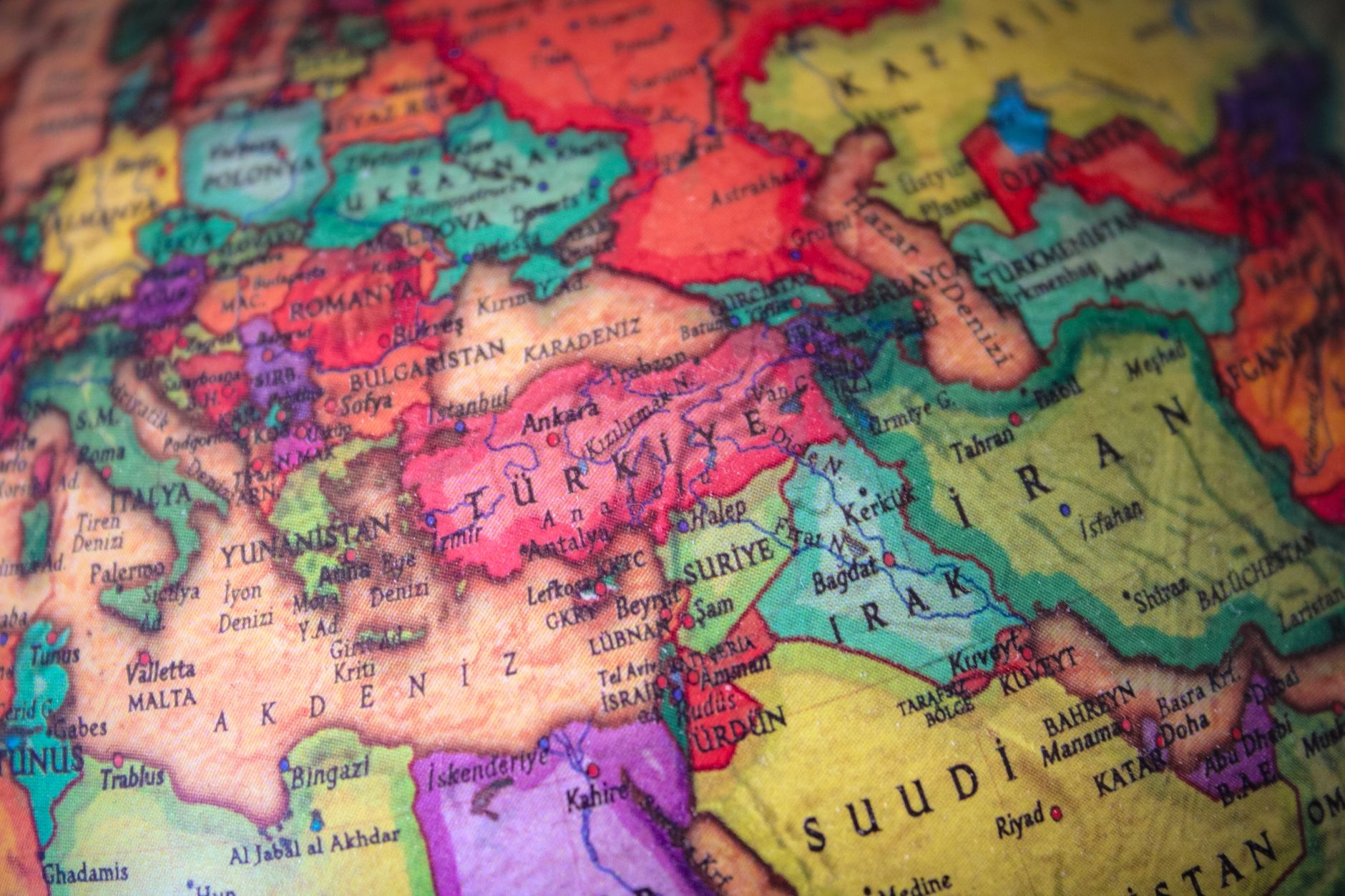
President Donald Trump announced a new “crushing economic operation” against Iran on Aug. 20 as negotiations between the United States and Tehran remained unresolved, raising fresh questions about the future of diplomacy, sanctions, and regional stability.
The announcement represents a significant escalation in economic pressure on Iran, with the Trump administration signaling that it intends to use financial restrictions and other tools to increase leverage. The White House has previously relied on sanctions as a central element of its Iran strategy, arguing that economic pressure can force Tehran to address U.S. concerns over its nuclear program and regional activities.
Iran has historically opposed broad U.S. sanctions, describing them as economic warfare and arguing that such measures undermine diplomatic efforts. Iranian officials have repeatedly maintained that negotiations must respect Iran’s sovereignty and national interests.
The latest development comes as discussions between Washington and Tehran have faced uncertainty. While diplomatic contacts have continued at various levels, major disagreements remain over issues including nuclear restrictions, sanctions relief, and verification mechanisms.
For U.S. policymakers, the challenge is balancing pressure on Iran with the risk of unintended consequences. Previous periods of heightened tensions have affected energy markets, maritime security in the Middle East, and relations between the United States and its international partners.
The economic dimension of the dispute remains a major focus. Iran is a significant oil-producing country, and any disruption involving its exports, regional shipping routes, or broader Middle East security environment could influence global energy prices. U.S. officials have often emphasized efforts to prevent Iran from using energy resources or regional influence to pressure other countries.

International governments are also closely monitoring Washington’s approach. European allies have generally supported diplomatic engagement while expressing concerns about Iran’s nuclear activities and regional policies. Differences over sanctions strategy have periodically created tension between the United States and some partners.
The announcement may also affect companies and financial institutions that conduct business involving Iran. U.S. sanctions rules have historically restricted many transactions connected to Iran’s economy, requiring international firms to carefully evaluate compliance risks.
Analysts have noted that economic pressure campaigns can produce different outcomes depending on domestic political conditions, international cooperation, and the willingness of governments to return to negotiations. Previous U.S. administrations have used both sanctions and diplomatic engagement in attempts to influence Tehran’s decisions.
The Trump administration’s latest move follows years of disputes over Iran’s nuclear ambitions. The United States withdrew from the 2015 nuclear agreement during Trump’s first term and later increased sanctions designed to limit Iran’s economic capacity. Subsequent diplomatic efforts have sought ways to address nuclear concerns while managing broader regional tensions.
Iran’s relationship with regional actors remains another factor shaping U.S. policy. Washington has continued to express concerns about Iran-backed groups in the Middle East, while Tehran has argued that its regional partnerships are part of its security strategy.

The coming weeks are expected to determine whether the new economic pressure campaign becomes a negotiating tool or contributes to further confrontation. U.S. officials have not ruled out diplomacy, but the administration’s latest statement indicates that economic measures will play a central role in its strategy.
Energy markets and international businesses are likely to watch for additional details on implementation. The impact will depend on the specific measures introduced, how other governments respond, and whether enforcement expands beyond existing restrictions.
The dispute also carries domestic political significance in the United States. Iran policy has long been a subject of debate among lawmakers, with some arguing for stronger pressure and others warning that excessive escalation could reduce diplomatic options.
As Washington evaluates its next steps, the central question remains whether economic pressure can produce a negotiated outcome or whether it will deepen tensions between the two countries. The answer could shape U.S. foreign policy in the Middle East and influence broader international security discussions.




Leave a Reply