
Financial markets are entering the next week with attention focused on a combination of inflation indicators, central-bank signals and one of the most influential corporate earnings reports in the technology sector. Investors will closely follow the U.S. personal consumption expenditures price index, Tokyo consumer inflation data and Nvidia’s quarterly results as they attempt to gauge the strength of economic growth and the sustainability of the artificial intelligence boom.
The U.S. PCE inflation report is expected to be among the most important economic releases for investors. The measure is closely followed by the Federal Reserve because it captures changes in consumer prices across a broad range of goods and services. A result showing continued moderation in inflation could reinforce expectations that monetary policy may become less restrictive, while stronger-than-expected price pressures could increase uncertainty over the timing of future rate adjustments.
Inflation trends have remained a central concern for markets because they influence borrowing costs, corporate investment decisions and consumer spending patterns. Investors have increasingly focused on whether price growth is moving toward the Federal Reserve’s longer-term objective or whether persistent costs in areas such as services and housing could slow progress.
The upcoming inflation data will also be examined alongside labor-market conditions and corporate performance. Recent market moves have shown that investors remain sensitive to economic signals that could alter expectations for interest rates. Treasury yields, the U.S. dollar and equity valuations may react quickly if the inflation figures differ significantly from forecasts.
International markets will also receive important information from Tokyo CPI data. Japan has been a major focus for global investors as the country moves away from years of ultra-loose monetary policy. Inflation developments in Tokyo, often viewed as a leading indicator for nationwide price trends, could influence expectations surrounding the Bank of Japan’s future decisions.
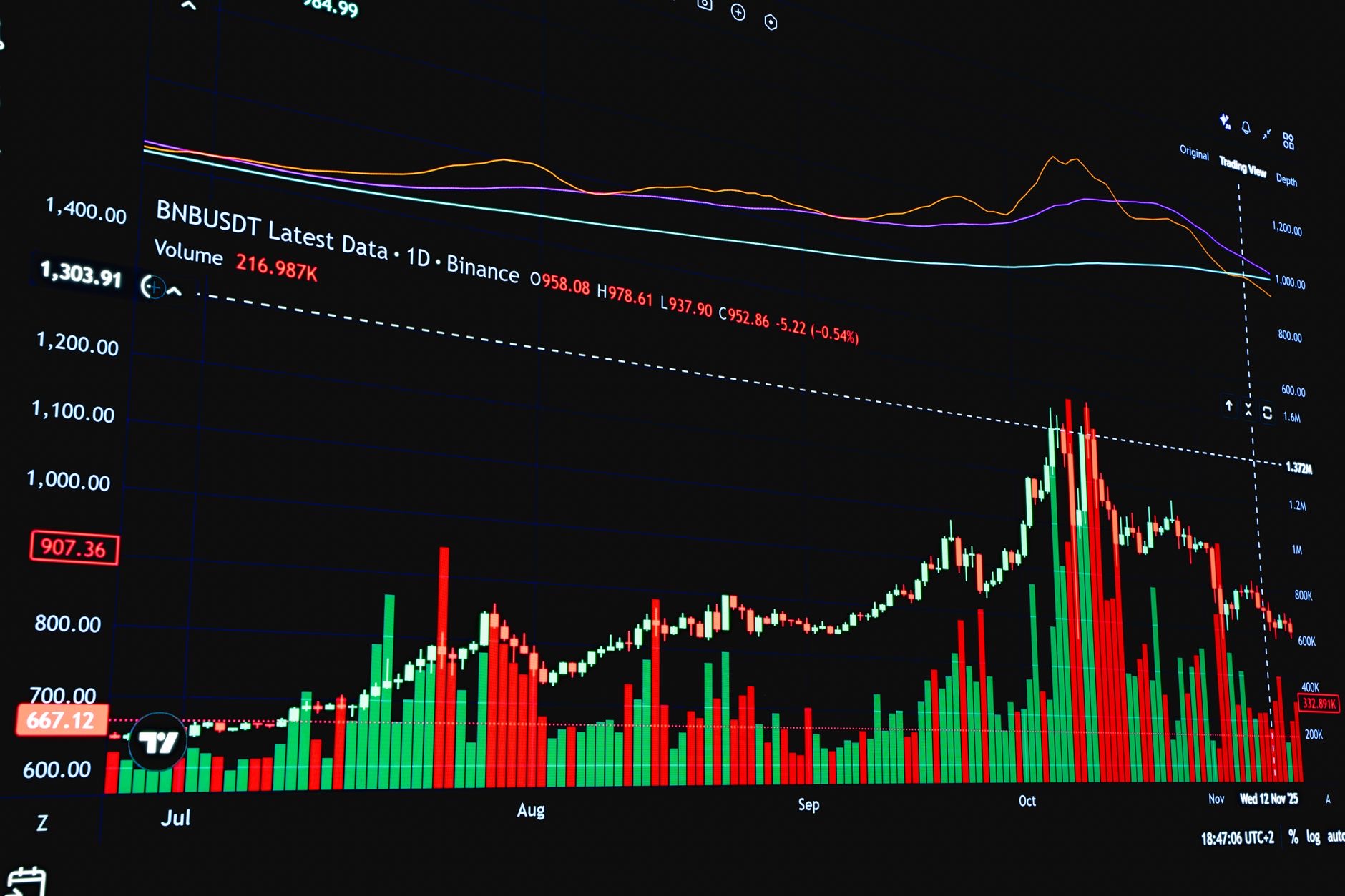
 Investors review market data as economic reports and Nvidia earnings shape expectations for global markets.
” loading=”lazy” style=”display:block;width:100%;max-width:980px;height:auto;max-height:560px;object-fit:cover;margin:0 auto;” />
Japanese inflation has broader implications because changes in Japan’s monetary policy can affect global capital flows. Higher domestic rates in Japan could influence currency markets, bond yields and investment strategies among international institutions. U.S. investors have increasingly monitored Japan’s policy direction as one factor affecting global market conditions.
The week’s corporate highlight is expected to be Nvidia’s earnings report, which will provide a fresh look at demand for artificial intelligence hardware. Nvidia has become a major indicator for the broader AI investment cycle because its graphics processing units and related data-center technologies are widely used by companies building advanced computing infrastructure.
Investors will be looking beyond headline revenue and profit figures to assess several areas of Nvidia’s business, including demand from cloud providers, enterprise customers and AI-focused companies. Questions around supply capacity, customer spending plans and the pace of future AI infrastructure investment are likely to shape market reactions.
Nvidia’s performance has become closely linked with broader technology-sector sentiment. Strong results could support confidence that AI-related spending remains durable, while signs of slowing demand or increased competition could prompt investors to reassess valuations across semiconductor and software companies.
The earnings report comes at a time when technology companies are facing pressure to demonstrate that major investments in artificial intelligence are producing measurable returns. While many businesses continue to expand AI capabilities, investors have become more selective about companies that can translate technological advantages into sustainable revenue growth.
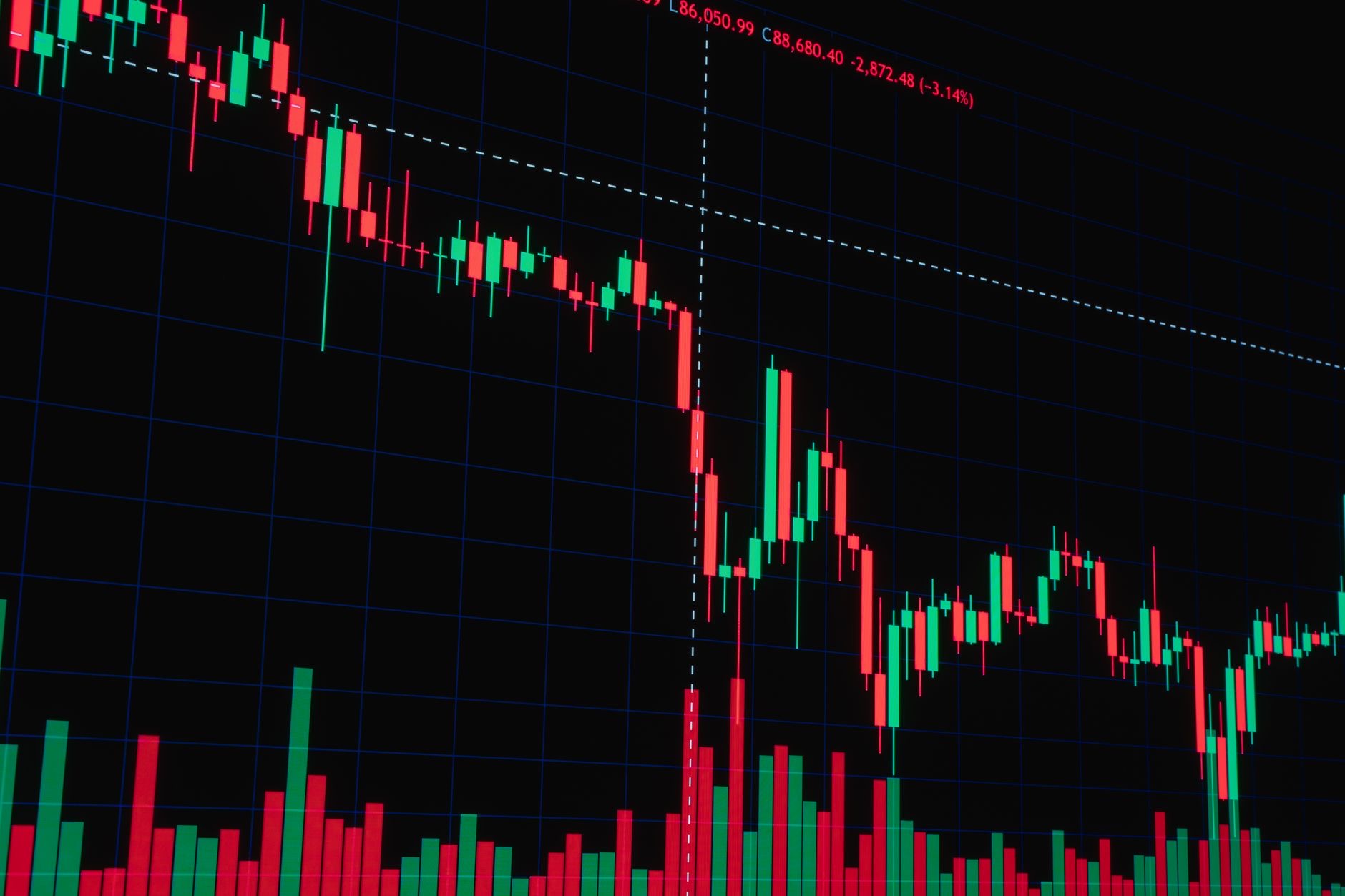
 Investors review market data as economic reports and Nvidia earnings shape expectations for global markets.
” loading=”lazy” style=”display:block;width:100%;max-width:980px;height:auto;max-height:560px;object-fit:cover;margin:0 auto;” />
The coming week will therefore provide a combined test of macroeconomic conditions and corporate expectations. The PCE inflation data will help shape views on monetary policy, Tokyo CPI will offer insight into global inflation dynamics, and Nvidia’s results will provide a real-time assessment of AI market momentum.
Market participants will also watch how these developments interact. Lower inflation combined with strong technology earnings could support risk appetite, while renewed inflation concerns or weaker corporate guidance could increase volatility. Investors are expected to focus not only on individual data points but also on what they indicate about the broader economic outlook.
For U.S. businesses and consumers, the implications extend beyond financial markets. Interest-rate expectations affect borrowing costs for companies and households, while technology-sector investment influences employment, capital spending and productivity trends. The performance of major technology companies has become increasingly connected to wider economic expectations.
As the week progresses, analysts are likely to evaluate whether inflation is continuing along a cooling path and whether AI-related spending remains strong enough to justify elevated expectations for leading technology companies. The combination of economic releases and Nvidia’s earnings makes the period one of the most closely watched stretches for investors seeking clues about the next phase of market conditions.



Leave a Reply