
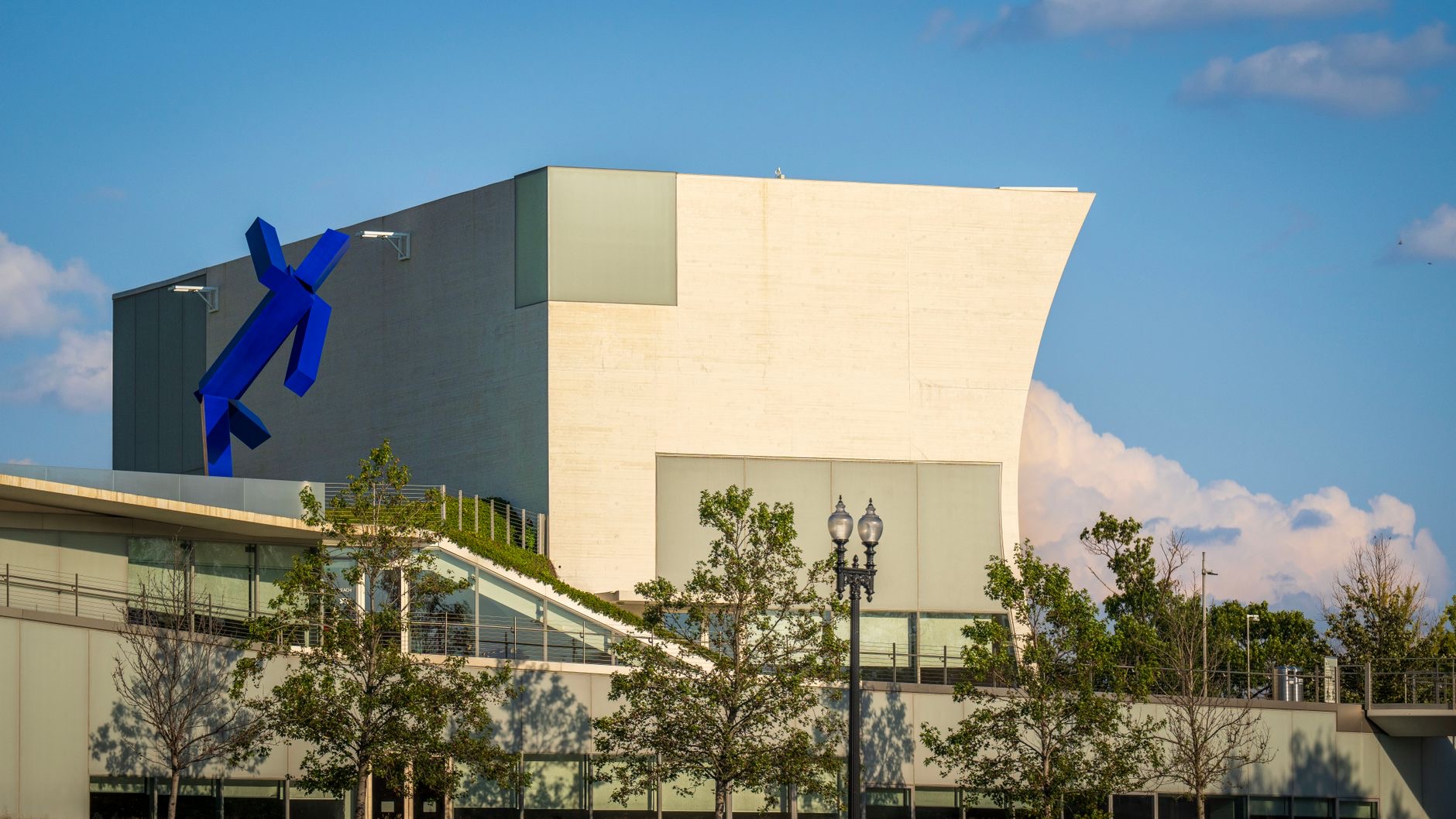
Internal Kennedy Center documents newly reported by The New York Times show that officials appointed after President Donald Trump took control of the institution developed plans to remove significant portions of its art collection, including a proposal that contemplated returning, transferring, selling or destroying works. ARTnews highlighted the findings on September 21, drawing renewed attention to how the national performing arts center has approached its visual-art holdings during an unusually turbulent period for the Washington institution.
The documents do not establish that Trump has ordered an immediate sale or destruction of the Kennedy Center’s collection. Instead, they describe plans developed by officials serving under the leadership Trump installed after reshaping the center’s board in 2025. The Kennedy Center told The New York Times that the works in question remain fully safeguarded, that the collection has been cataloged and that there are no planned or imminent changes.
According to the Times, a proposal circulated by Kennedy Center officials late last year set out a formal process for “de-accession,” the term cultural institutions use when removing an object from a permanent collection. The document listed several possible outcomes for affected works: return to a country of origin, transfer or exchange with another institution, public sale or destruction. The breadth of those options is notable because the Kennedy Center holds artworks and cultural gifts with histories tied to its role as a national memorial to President John F. Kennedy as well as its performing-arts mission.
The records also describe discussions about creating a new “Collectors Council” composed of donors and art supporters. A memo outlining the proposed council said one of its functions would be helping deaccession works considered outdated or inappropriate while acquiring replacements that reflected “shared American values,” according to the Times. The documents provide one of the clearest accounts yet of how changes to the Kennedy Center’s programming and administration extended into its visual-art collection.
Richard Grenell, who served in a senior leadership role at the Kennedy Center after Trump’s takeover, directed then-curator Josef Palermo to remove artwork from the building and its grounds to make room for a new collection, the Times reported. Palermo later publicly portrayed himself as opposed to a broad purge of existing works, although the newly reported internal records indicate that he participated in developing elements of the proposed collections strategy, including plans surrounding the collectors group.

Accounts of the motivation behind the initiative differ. Palermo has said Grenell told him that Trump wanted new artwork for the center following renovation. Grenell, however, has said he did not discuss the art collection directly with Trump and has characterized his instructions as an effort to contact donors and return works that the institution could no longer afford to maintain or restore. The documents therefore provide evidence of an organized deaccessioning effort by Trump-appointed officials while leaving unresolved how directly the president personally shaped individual collection decisions.
The proposed removals extended across the campus. The Times identified works under consideration including pieces by Colombian artist Eduardo Ramírez Villamizar, German sculptor Jürgen Weber, Spanish artist Aurelio Teno and American sculptor Deborah Butterfield. Fifteen works in the Kennedy Center’s African Lounge were also targeted, according to the report. The lounge, established near the Opera House in the 1970s, contained textiles, visual art and a carved wooden sculpture from Ghana commemorating African mourning after Kennedy’s assassination.
Some objects from that space were subsequently removed from public view without a detailed public explanation, the Times reported. That history has intensified questions from former staff members and arts advocates about where works are being stored, whether donor restrictions apply and what standards the institution is using when determining whether an object should remain in the collection.
The new reporting also places the September removal of Joel Shapiro’s “Blue” in a broader context. The 24-foot abstract sculpture, installed outside the Kennedy Center in 2019, was dismantled earlier this month. The Kennedy Center said at the time that the deinstallation of donated or loaned works is a normal practice at cultural organizations and expressed appreciation for Shapiro’s work. The institution said the Joel Shapiro and Ellen Phelan Foundation would determine the sculpture’s next location.
Former Kennedy Center officials offered a different interpretation. Palermo told The Washington Post that Grenell had instructed him in 2025 to remove outdoor artworks because a new collection was envisioned for the renovated campus. The removal of “Blue,” Palermo said, suggested that at least part of the earlier collection strategy was still being implemented. Grenell did not provide the Post with a response to those claims at the time.

The distinction between routine deinstallation and formal deaccessioning matters in the museum and public-art fields. Institutions regularly move objects for conservation, construction, rotation or loan management without permanently removing them from a collection. Deaccessioning generally involves a more consequential decision that can affect ownership, donor agreements, institutional history and public access. The possibility of destruction outlined in the internal proposal is therefore likely to receive particular scrutiny, even though there is no indication that the Kennedy Center has announced the destruction of specific works.
The collection dispute is unfolding alongside broader changes at the Kennedy Center involving its leadership, programming, physical campus and renovation plans. Those political and legal battles are separate from the question of how individual artworks should be managed, but together they have made collection governance unusually visible for an institution better known for theater, dance, opera, orchestral music and other performing arts.
For artists, donors and cultural organizations, the immediate question is what becomes of the deaccession proposal now that its contents are public. The Kennedy Center’s statement that no collection changes are planned or imminent suggests that the most sweeping options described in the internal documents are not currently being executed. At the same time, the removal of “Blue” and previously displaced works means the debate is not entirely theoretical.
The latest disclosures leave a complicated picture: Trump-appointed officials clearly considered an extensive restructuring of the Kennedy Center’s art holdings, but the available evidence does not support treating every option in those planning documents as a current presidential directive. Further clarity will depend on what the Kennedy Center does with the works already removed from display, whether additional pieces are deinstalled during renovation and what collection policies the institution adopts when the campus eventually reopens.


Leave a Reply