
Iran is seeking to keep President Donald Trump tied to the Middle East conflict through the November midterm elections, according to reporting published Friday, using a deliberately extended negotiating timetable in hopes that war costs, energy pressure and voter fatigue will damage the president and congressional Republicans.
The reported calculation adds a domestic political dimension to negotiations already burdened by disagreements over Iran’s nuclear program, U.S. sanctions, frozen assets, military operations and control of navigation through the Strait of Hormuz. It does not mean Tehran can determine the election’s outcome, and Iranian officials have not publicly presented interference in the midterms as formal government policy. It does suggest, however, that at least some figures within Iran’s governing system see time as a strategic asset rather than an obstacle to peace.
The Guardian reported that Tehran has established a protracted schedule intended to leave Trump embroiled in the conflict until voters decide control of Congress. The account described inflicting a political setback on Trump as a legitimate form of retribution for many within Iran, where hostility toward the president has intensified over his withdrawal from the 2015 nuclear agreement during his first term, the 2020 killing of Revolutionary Guard commander Qassem Soleimani and the current war.
That framing requires caution. Iran’s political system contains competing institutions and factions, including the presidency, the Foreign Ministry, security bodies and the Islamic Revolutionary Guard Corps. They do not always share the same preferred tactics or tolerance for risk. Advocates of a negotiated settlement may want sanctions relief and economic stabilization quickly, while harder-line elements may believe prolonged confrontation offers greater leverage over Washington and neighboring states.
Developments Saturday illustrated how those competing objectives can slow diplomacy. Iran’s top security official, Mohammad Bagher Zolghadr, said Tehran would not fully reopen the Strait of Hormuz unless the United States changed its conduct. Iran’s stated conditions included ending military threats and attacks, lifting sanctions and blockades, releasing frozen assets and addressing war damages, according to reports from the Associated Press and the Financial Times.
At the same time, Iran and Oman were working toward a more limited arrangement for commercial vessels. Such an agreement could create a temporary route through the strait without resolving the wider conflict. It could also allow Tehran to present itself as capable of facilitating commerce while preserving its bargaining position on sanctions, security guarantees and the long-term administration of maritime traffic.
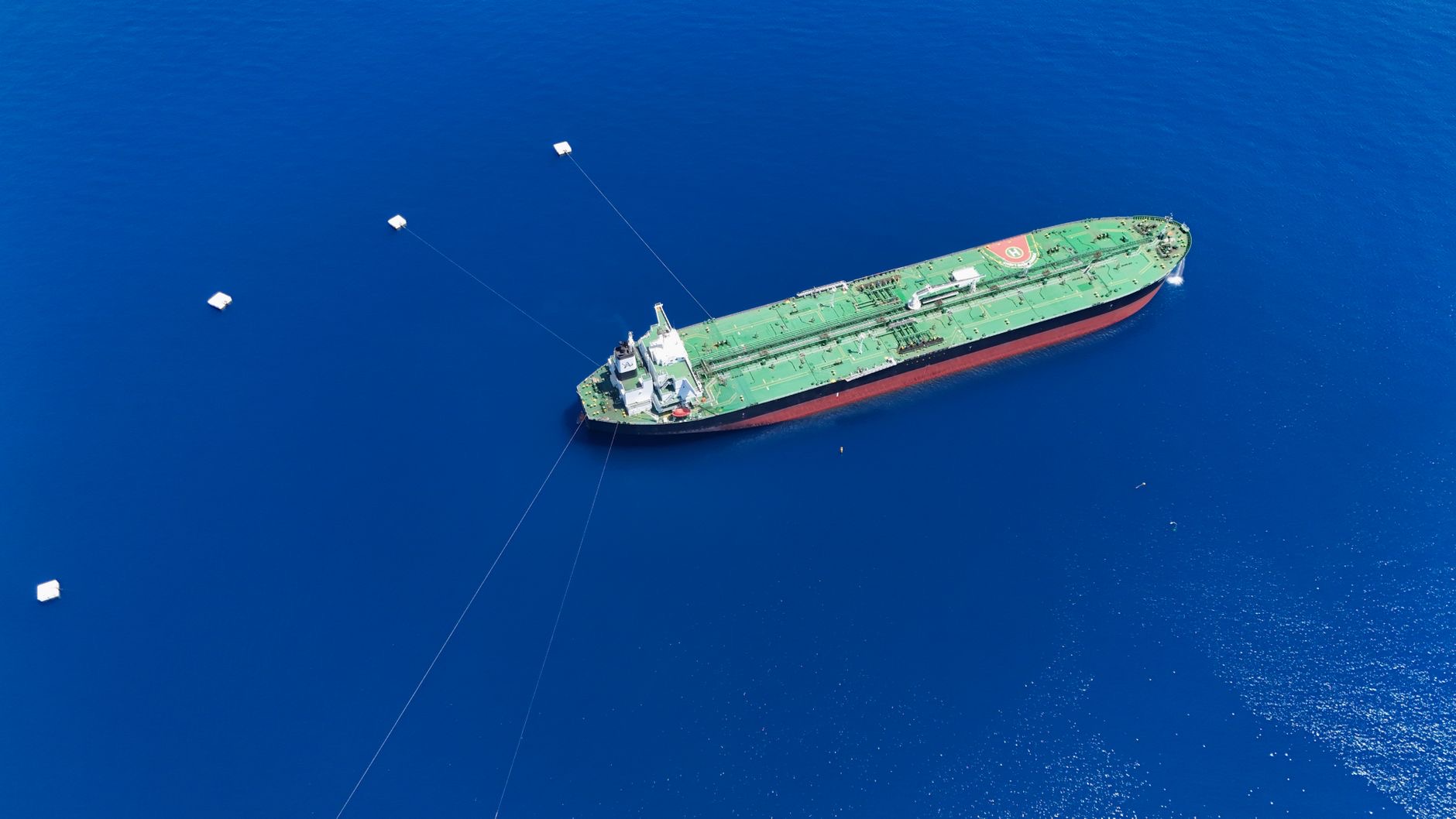
The Strait of Hormuz gives the confrontation immediate relevance for American households and businesses. The narrow waterway links Persian Gulf energy producers with global markets and normally carries a major share of internationally traded petroleum. Disruptions can increase shipping and insurance costs, alter oil prices and eventually affect gasoline, aviation, manufacturing and transportation expenses in the United States. Silicon Valley companies are not insulated: higher energy and logistics costs can affect data-center operations, hardware supply chains and broader investor sentiment.

Washington rejects any Iranian claim to control or charge for passage through the international waterway. The State Department said July 29 that it had sanctioned two Iranian entities accused of operating coercive insurance arrangements connected to the Revolutionary Guard. The department characterized the organizations as part of an effort to manufacture maritime risk and extract payments from ships using the strait. The administration has also maintained that navigation must be free, safe and unrestricted.
For Trump, the strategic challenge is that each available course carries political and security costs. Accepting major Iranian conditions could be portrayed by opponents as rewarding Tehran after months of fighting. Resuming or expanding strikes could expose U.S. personnel and regional partners to retaliation while extending a military commitment Trump had promised would produce decisive results. Continuing the present combination of pressure and intermittent diplomacy may avoid an immediate escalation but leave the central disputes unresolved.
Iran appears to be betting that the final option becomes more uncomfortable as Election Day approaches. A conflict that remains prominent in November could force Republican candidates to defend its expense, duration and effect on prices. It could also sharpen tensions inside Trump’s coalition between supporters of aggressive action against Iran and voters who backed his pledges to avoid prolonged foreign wars.
Foreign policy rarely determines a U.S. midterm election by itself. Voters traditionally give greater weight to the economy, inflation, health care, immigration and perceptions of presidential performance. The Iran conflict could nevertheless influence several of those concerns simultaneously if it raises fuel prices, requires additional military appropriations, produces American casualties or creates doubts about the administration’s competence.
Tehran’s comparison point, as described in the recent reporting, is the 1979-1981 U.S. Embassy hostage crisis, which became a lasting symbol of national frustration during Jimmy Carter’s presidency. The historical analogy has limits. The current United States has different energy resources, military capabilities, media dynamics and partisan alignments, while Trump is not personally on the ballot in November. The election will determine the composition of the House and Senate, not the presidency.
A Republican loss of either chamber would still have major consequences for the remainder of Trump’s term. Democratic control could produce more aggressive oversight of the war, resistance to funding requests and renewed attempts to constrain military action. Even a reduced Republican majority could make it harder for the White House to sustain sanctions, defense appropriations or a negotiated settlement facing opposition from both parties.

Iran’s approach could also backfire. Attacks on American personnel, civilian shipping or Gulf partners might increase public support for retaliation. A transparent attempt to exploit the U.S. election calendar could invite further sanctions and reinforce the administration’s argument that Tehran negotiates in bad faith. Iran, already bearing severe economic and military pressure, must also absorb the costs of every additional month without a stable agreement.
Regional governments have their own incentives to prevent the dispute from becoming an American electoral contest. Oman has continued its traditional role as an intermediary, while energy-exporting Gulf states want predictable access to shipping lanes and protection from missile or drone attacks. They may resist arrangements that legitimize unilateral Iranian authority over the strait, but they also have strong reasons to discourage renewed U.S.-Iranian escalation near critical infrastructure.
The White House has described its policy as maximum pressure combined with an opening for diplomacy. Trump has said he is personally involved in efforts to restore navigation, while Iranian officials have at times disputed U.S. descriptions of direct talks. That gap is more than rhetorical: disagreement over whether negotiations are occurring, what they cover and who has authority to make commitments makes it difficult to establish a reliable timetable.
The freshest evidence therefore points to a contest over leverage rather than an imminent comprehensive settlement. Iran can delay, impose conditions and threaten regional disruption; the United States can sustain military pressure, sanctions and a maritime blockade. Both can raise the other side’s costs, but neither can be certain that pressure will produce the intended political response.
As the midterms draw closer, any pause in attacks or limited shipping arrangement may reduce immediate danger without ending the underlying confrontation. If Tehran is indeed treating November as a strategic deadline, negotiations will be shaped not only by nuclear and security demands but also by calculations about American voters. That dynamic risks making compromise more difficult precisely when the economic and military consequences of delay are becoming harder to contain.




Leave a Reply