
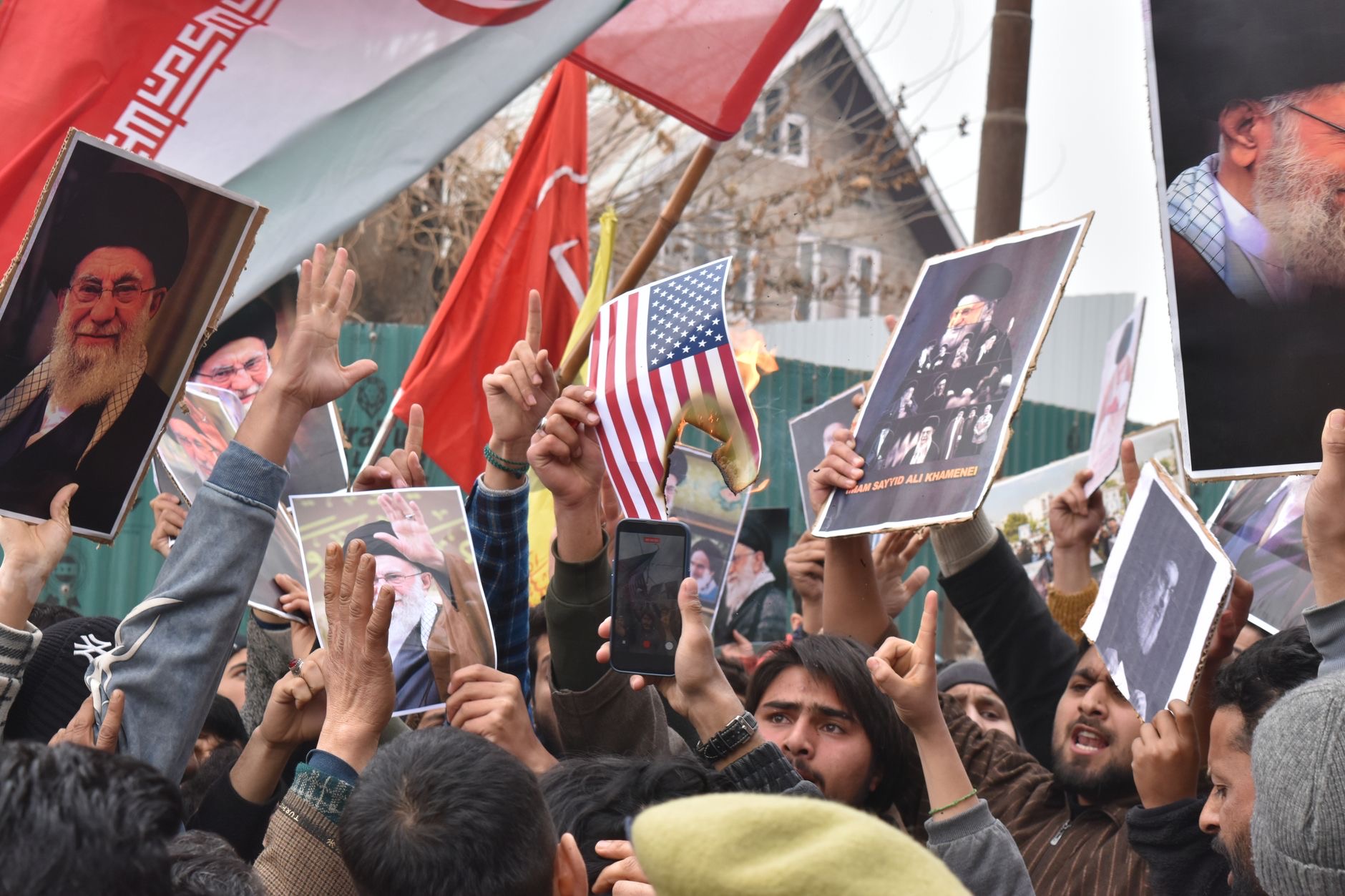
Iranian President Masoud Pezeshkian said Monday that the June memorandum of understanding with the United States should become the “center of gravity” of Iran’s foreign relations, arguing that Tehran must press Washington to honor the commitments it signed. His statement, posted on X and reported by Iran’s state news agency, was an unusually explicit attempt to elevate the interim peace framework above the daily cycle of military threats, sanctions and disputes over the Strait of Hormuz.
Pezeshkian said the memorandum reflected the “collective wisdom” of Iran’s Supreme National Security Council and that all council members supported it. He added that full implementation would strengthen the security of Iran, the wider region and Tehran’s allies. The message appeared directed at two audiences: foreign governments questioning whether Iran’s civilian leadership can enforce the agreement, and hard-line factions at home that have criticized concessions to Washington or challenged the durability of the process.
The 14-point memorandum was signed remotely in mid-June by Pezeshkian and President Donald Trump after months of direct conflict and regional escalation. The framework declared an end to military operations, set out a temporary process for reopening commercial passage through the Strait of Hormuz and created a 60-day window for negotiations on a broader settlement. It also touched on sovereignty, noninterference, regional fighting and the future of Iran’s nuclear program, while leaving many of the most difficult enforcement details for later talks.
From Washington’s perspective, the central tests have been freedom of navigation and verifiable limits on Iran’s nuclear activities. The White House initially described the memorandum as a breakthrough that would reopen the strait and prevent Iran from obtaining a nuclear weapon. U.S. and Gulf Cooperation Council officials later welcomed the document but made clear that trade, investment and sanctions relief would remain conditional and reversible, depending on Iran’s compliance and progress toward a final agreement.
That optimism has since been overtaken by competing allegations of breach. The Trump administration says Iran has continued to threaten and attack commercial shipping in and around the Strait of Hormuz, conduct coercive maritime practices and support military activity inconsistent with the memorandum. In late July, the State Department announced sanctions against Iranian entities it accused of operating extortionate insurance schemes for vessels transiting the strait. The White House has also said U.S. military pressure will remain in place while negotiations continue.

Tehran, meanwhile, has accused Washington of failing to meet its own obligations and of using sanctions and military threats to reshape the agreement after it was signed. Pezeshkian has repeatedly said Iran will fulfill its commitments if the United States does the same. His latest formulation goes further by presenting the memorandum not merely as a ceasefire instrument, but as the organizing principle for Iran’s external relationships. That raises the political cost for his government if the accord collapses, while also putting responsibility for enforcement at the center of Tehran’s diplomatic messaging.
The reference to the Supreme National Security Council is especially significant. In Iran’s political system, major national-security decisions are not made by the president alone. By stressing institutional consensus, Pezeshkian sought to counter claims that the agreement was a personal initiative of the elected government or lacked support across the broader state. The assertion does not eliminate visible differences among Iranian officials, but it signals that the presidency wants foreign counterparts to treat the memorandum as a national commitment rather than a temporary political preference.
For the United States, the practical question is whether that claimed consensus can produce measurable changes on the ground. U.S. officials have focused on the movement of commercial vessels, Iranian military activity near shipping lanes, the role of the Islamic Revolutionary Guard Corps and the status of nuclear negotiations. Washington has also tied any durable easing of economic pressure to compliance mechanisms, not simply political declarations.
The Strait of Hormuz remains the most immediate international pressure point. It is one of the world’s most important energy transit routes, and instability there can quickly affect oil prices, shipping insurance, freight costs and inflation expectations in the United States. Even limited disruption can ripple through Gulf exports and global supply chains. That gives both governments an incentive to preserve at least the maritime portions of the memorandum, even if negotiations over nuclear restrictions, sanctions and regional security remain unresolved.
Pezeshkian’s appeal also reflects the limits of a memorandum that depends heavily on reciprocal steps and political will. The document created a process, but it did not settle competing interpretations of who must act first, how violations are verified or what remedies apply when one side alleges noncompliance. Without a mutually accepted monitoring mechanism, each incident at sea or new sanctions announcement can be framed as evidence that the other party has abandoned the deal.
There was no indication in the Iranian statement of a new concession, enforcement proposal or timetable for the next round of negotiations. Instead, Pezeshkian emphasized continuity: the agreement remains valid, enjoys top-level backing and should guide Iran’s diplomacy. That message may help Tehran reassure regional mediators, including Pakistan and Gulf governments, that it is not formally walking away from the framework despite renewed confrontation.
The durability of the memorandum will depend less on public endorsements than on whether the United States and Iran can convert its broad language into enforceable arrangements. Near-term indicators include safe commercial passage through Hormuz, restraint by military forces and aligned groups, progress on nuclear verification, and a clearer path for sanctions relief tied to compliance. Pezeshkian has now placed the agreement at the center of Iran’s stated foreign policy. The next test is whether both sides can prevent it from becoming another short-lived truce overtaken by events.




Leave a Reply