
Iran said Monday that Washington cannot decide when fighting starts or stops, pushing back against President Donald Trump’s description of a pause in U.S. strikes as an opening for diplomacy. Foreign Ministry spokesperson Esmaeil Baghaei said Tehran would “never allow the United States to determine the timing of war and peace” and argued that the current lull should not be treated as a ceasefire.
The statement came after nearly two weeks of intensified U.S. attacks and Iranian counterstrikes were followed by several days without reported direct attacks by either side. Iran’s military had said it suspended what it called retaliatory operations after U.S. strikes stopped. Baghaei, however, framed that restraint as an independent Iranian decision tied to national interests, not compliance with a timetable set in Washington.
“What exists at present cannot be called a ceasefire,” Baghaei said, while holding the United States responsible for what Tehran describes as military aggression. He added that Iran would use diplomacy whenever it judged diplomacy capable of protecting the country’s interests. The combination of defiance and conditional openness appeared designed to preserve room for negotiations without accepting the U.S. claim that military pressure brought Tehran back to the table.
Trump offered a sharply different account Monday. Speaking to reporters aboard Air Force One, he said the United States was having “good talks” and suggested there was a meaningful chance of an agreement. He also warned that if diplomacy failed, the United States could resume the operations it had been conducting days earlier. That threat underscored how quickly the current pause could collapse if the two governments continue to disagree over whether it is a negotiated restraint or merely a tactical break.
Iran also denied that direct negotiations with Washington were underway. Baghaei said intermediaries could carry messages from the American side, but he distinguished those contacts from formal bilateral talks. Regional officials cited by The Associated Press said Qatar and Pakistan were among the mediators trying to restore an interim arrangement and prevent another escalation.

The dispute over terminology matters because a formal ceasefire would normally require clearer commitments, agreed channels for resolving violations and some understanding of which military actions are prohibited. A mutual pause without those mechanisms can reduce immediate danger while leaving each side free to restart attacks with little warning. Tehran’s refusal to call the lull a ceasefire signals that it does not consider itself bound by Washington’s interpretation of events.
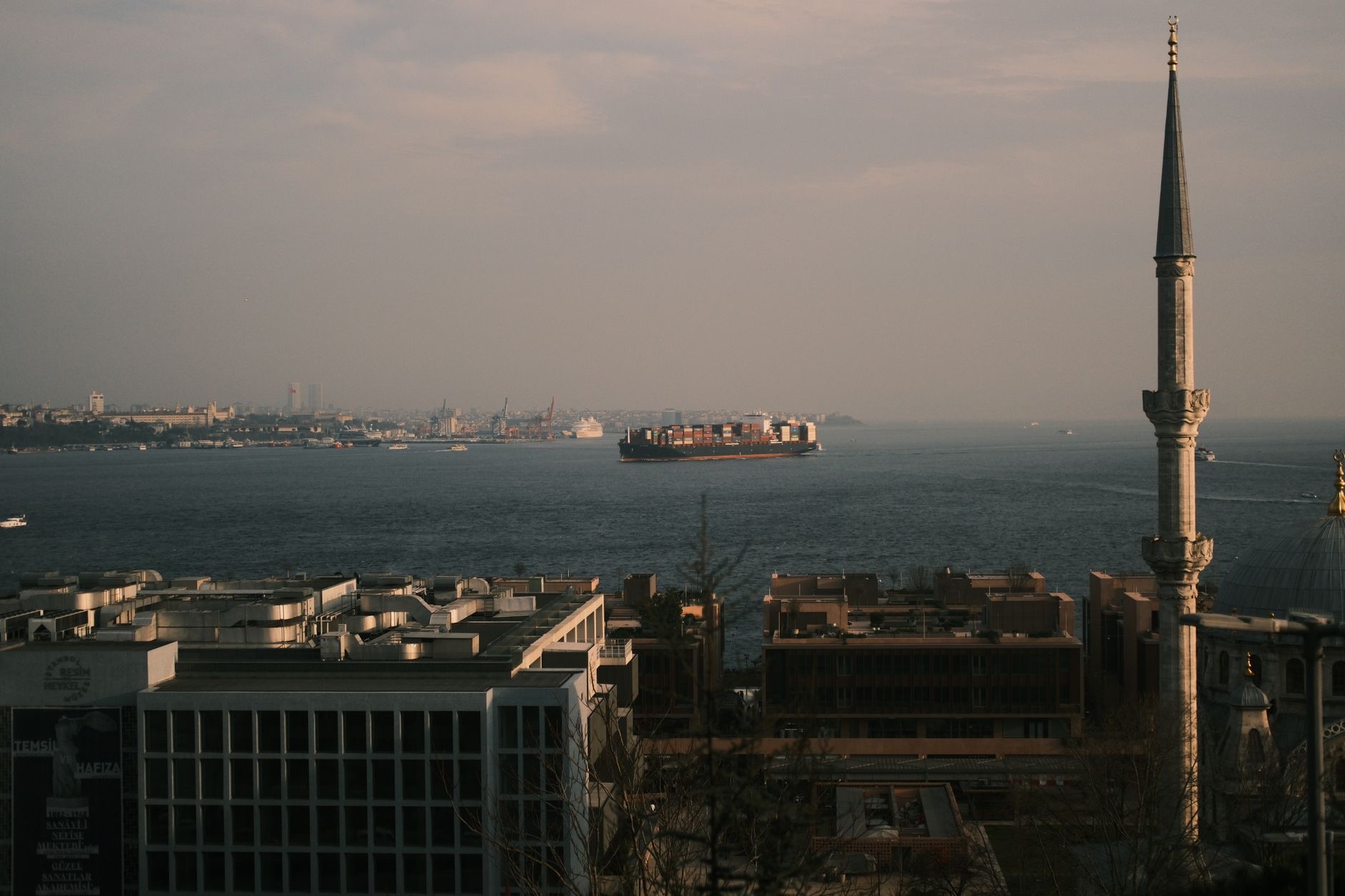
At the center of the latest diplomatic activity is the Strait of Hormuz, the narrow passage connecting the Persian Gulf with global markets. Iranian and Omani officials have held talks on shipping traffic and maritime security. Baghaei described those discussions as bilateral and unrelated to the United States, saying their purpose was to develop a system that protects safe navigation while respecting the sovereignty and security interests of both coastal states.
That distinction directly challenges the Trump administration’s effort to present the pause in fighting and the shipping talks as parts of one U.S.-driven diplomatic process. Washington has treated reopening and securing the strait as an urgent strategic objective, while Iran has emphasized its own authority over access and security in nearby waters. The disagreement leaves unresolved whether any maritime arrangement can function without at least indirect U.S. participation, given the American military presence and naval operations in the region.
For the United States, the immediate stakes extend beyond the wording of diplomatic statements. American troops and facilities across the Middle East remain exposed to Iranian missiles, drones and attacks by aligned armed groups. U.S. military planners must also preserve air-defense interceptors and long-range strike weapons while maintaining readiness in Europe and the Indo-Pacific. A sustained pause would ease those pressures; a renewed cycle of attacks could deepen them quickly.
The conflict also carries economic consequences for U.S. consumers and businesses. The Strait of Hormuz is one of the world’s most important energy corridors, and disruptions can raise oil, shipping and insurance costs even when physical supplies continue moving. Technology companies, manufacturers and logistics providers can face higher transportation expenses and longer delivery times if carriers avoid the area or governments impose new security restrictions.

Regional officials said mediation had produced progress, but the public statements from Washington and Tehran showed that the sides remain far apart on basic questions of authority, sequencing and trust. Iran insists that it will decide for itself when to fight, when to stop and when diplomacy serves its interests. The United States maintains that military pressure created the opportunity for talks and continues to reserve the option of renewed strikes.
Other unresolved issues include Iran’s nuclear program, the status of previous interim commitments, the scope of U.S. naval enforcement and the rules governing commercial passage through Hormuz. Those disputes are difficult to separate. A shipping arrangement could reduce the risk of an immediate clash, but it would not by itself settle the wider conflict or produce a durable political agreement.
The next test will be whether mediators can turn the current absence of direct attacks into written, reciprocal commitments. Signs of progress would include an acknowledged negotiating channel, agreed procedures for Hormuz traffic and a public framework for preventing accidental escalation. Signs of breakdown would include renewed U.S. strikes, Iranian attacks on American forces or allied territory, or additional restrictions on commercial shipping.
For now, Iran’s message is that restraint should not be mistaken for submission and that Washington does not control the clock. The Trump administration is signaling the opposite: that the pause is conditional and backed by the threat of renewed force. That clash of narratives may be more than rhetoric, because each side’s understanding of who decides when the war stops will shape whether the current lull becomes diplomacy or only an interval before the next round.




Leave a Reply