
Pakistan’s foreign minister warned Friday that renewed attacks in and around the Red Sea could be used to sabotage efforts to restore a U.S.-Iran peace process, as fighting over two of the Middle East’s most important shipping corridors widened economic and security risks for Washington and its allies.
Addressing foreign ministers from the Shanghai Cooperation Organization in Kyrgyzstan, Ishaq Dar urged governments to build on the Islamabad Memorandum of Understanding, the framework Pakistan helped broker between the United States and Iran in June. He said the international community should press for a permanent settlement while remaining alert to actors that could exploit regional instability and reverse diplomatic gains.
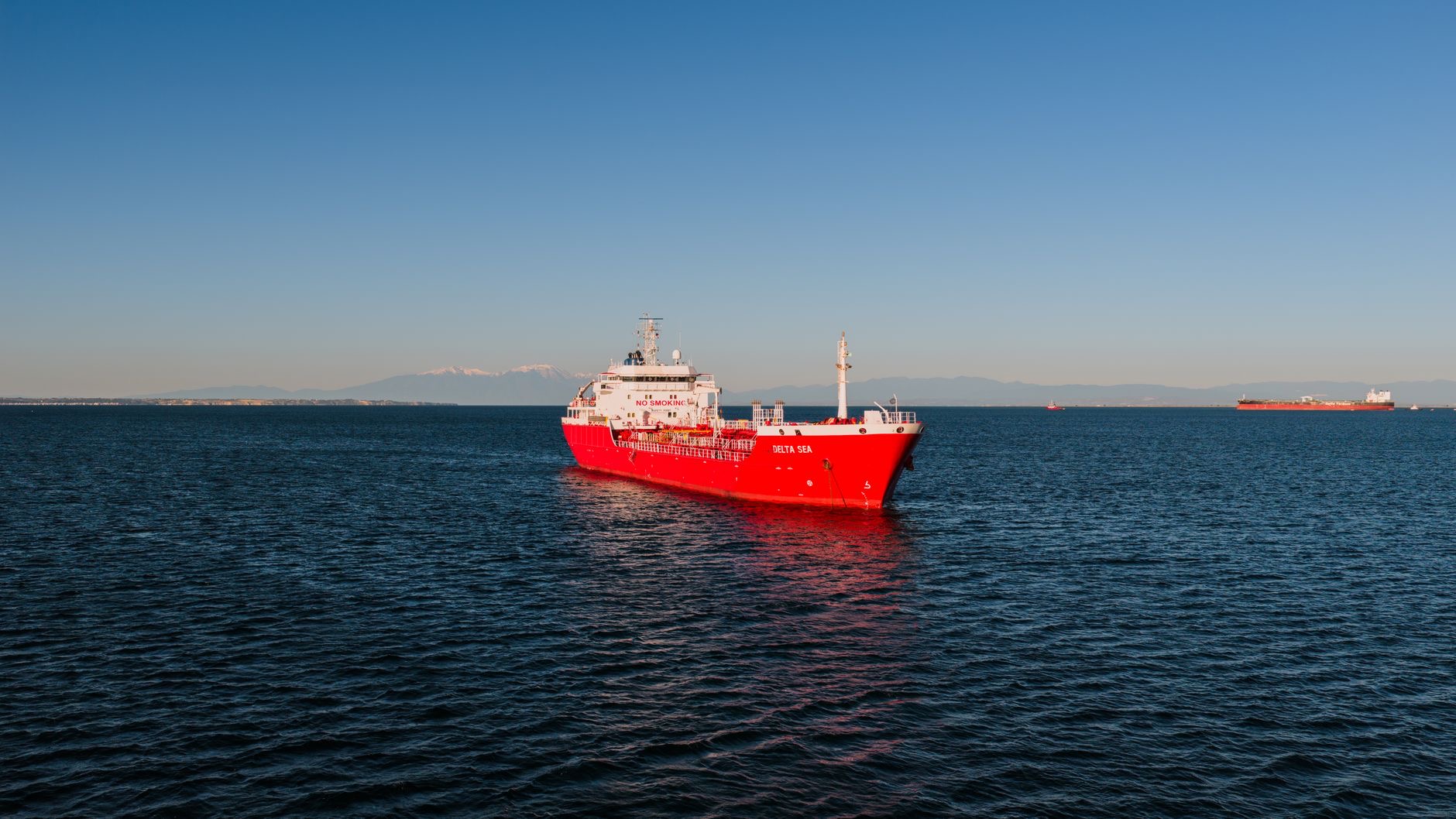
Dar’s remarks followed Houthi attacks on Saudi oil tankers in the Red Sea and the group’s declaration of a blockade against Saudi-linked shipping through the Bab el-Mandeb Strait. The passage connects the Red Sea to the Gulf of Aden and carries a significant share of global trade. Its importance has increased as the Strait of Hormuz, on the opposite side of the Arabian Peninsula, has been heavily disrupted by the U.S.-Iran conflict.
For the United States, the immediate concern is that pressure on both maritime chokepoints could intensify the war’s economic effects while narrowing room for diplomacy. The U.S. military has continued strikes on Iranian military sites, while Iran has targeted American and allied interests around the Persian Gulf. The Houthis’ move adds another potential theater and increases the likelihood that Washington could face demands to protect commercial shipping in the Red Sea while also trying to reopen Hormuz.
President Donald Trump has threatened major military punishment if Houthi attacks continue. Secretary of State Marco Rubio said this week that restrictions on Red Sea shipping would be dangerous for the same reasons that disruption in Hormuz is dangerous. Rubio blamed Iran for fueling the Houthi threat, although the Yemeni movement has its own leadership and is not simply an extension of Iran’s formal command structure.

Pakistan has tried to position itself as both a mediator and a regional security stakeholder. Islamabad facilitated contacts that led to the June agreement, which Arab News reported included a 60-day ceasefire, provisions to reopen the Strait of Hormuz and a timetable for negotiating a broader settlement covering the war and Iran’s nuclear program. The ceasefire later broke down, and U.S. and Iranian attacks resumed.
That diplomatic role has become more difficult because Pakistan is also closely aligned with Saudi Arabia. Islamabad strongly condemned Houthi threats to the kingdom and commercial shipping in a July 22 statement, saying they endangered freedom of navigation, the rules-based maritime order and the uninterrupted flow of global commerce. The Foreign Ministry also warned that any hostile act against Pakistani-flagged ships or Pakistani maritime interests would be treated as a grave national security threat.
The ministry said Pakistan reserved the right to take necessary measures, including lawful force in self-defense, to protect its maritime assets. It also objected to efforts to draw Saudi Arabia more deeply into the regional conflict and reaffirmed support for the kingdom’s sovereignty and territorial integrity. Those statements underscored the pressure on Islamabad to defend a longtime partner while preserving enough trust with Tehran to continue mediating.
Pakistan has also raised the Houthi issue directly with Iranian officials. A Foreign Ministry spokesperson said Islamabad discussed the attacks with Iranian Interior Minister Eskandar Momeni during his visit to Pakistan this week. Dar separately met Iranian Foreign Minister Abbas Araghchi on Friday as Pakistan sought to revive negotiations, though public statements from Tehran indicated that Iran remained resistant to outside mediation unless Washington changed its position.
The Red Sea escalation carries direct economic implications for the United States. About 12% of world trade, including roughly one-quarter of container traffic, passes through Bab el-Mandeb, according to figures cited by The Associated Press. Shipping disruptions can raise insurance and freight costs, lengthen delivery times and place additional upward pressure on energy prices. AP reported Friday that Brent crude remained near $96 a barrel after briefly rising above $100, while U.S. gasoline prices averaged $4.11 a gallon.

The attacks also complicate U.S. military planning. American forces are already operating across the Gulf and have continued strikes intended to reduce Iran’s capacity to threaten commercial vessels. Additional Houthi attacks could revive the kind of sustained naval protection and air operations the United States previously used to defend Red Sea shipping, stretching personnel, surveillance assets and munitions across a broader area.
Dar’s warning was therefore aimed not only at Iran and the Houthis but at the wider group of regional and global powers with leverage over the conflict. Pakistan wants the Islamabad framework treated as an active diplomatic channel rather than a failed truce. Its argument is that maritime attacks, retaliatory strikes and public threats can quickly create political conditions in which compromise becomes harder and military escalation becomes the default.
Whether Pakistan can restore momentum remains uncertain. The latest violence has increased Tehran’s leverage by demonstrating that disruption can extend from Hormuz to the Red Sea, but it has also hardened U.S. and Saudi opposition to Iran-aligned forces. With Washington continuing military operations and Tehran signaling that it will not negotiate under pressure, Islamabad’s effort depends on persuading both sides that a negotiated reopening of trade routes offers more than continued escalation.
For U.S. policymakers, the test is whether military pressure can protect shipping without destroying the diplomatic channel Pakistan is trying to preserve. Dar’s message reflects the shrinking margin for error: another major attack on a commercial vessel, an American base or Saudi infrastructure could push the conflict beyond the framework that Islamabad helped create and make a durable U.S.-Iran settlement even more difficult.




Leave a Reply