
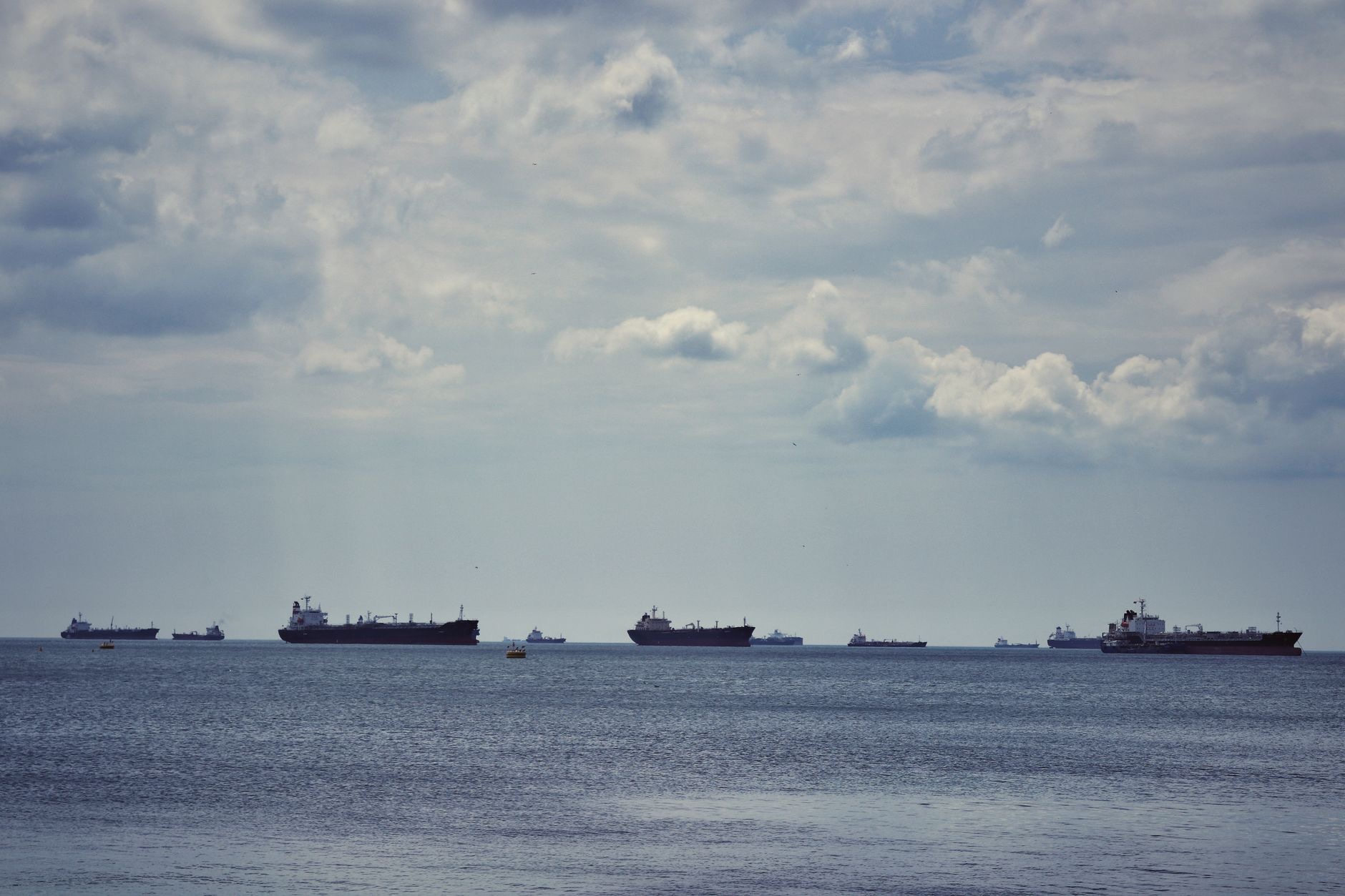
Iran turned to Gulf governments and regional mediators over the weekend as renewed U.S. and Iranian attacks threatened to bury an interim ceasefire that was already weakened by disputes over commercial navigation through the Strait of Hormuz.
Iranian Foreign Minister Abbas Araghchi held discussions in Muscat with Omani Foreign Minister Badr bin Hamad Al Busaidi about mechanisms for the safe passage of ships. The talks ended without an announced settlement, but both sides indicated that discussions would continue. Qatar, Pakistan and Egypt were also pursuing contacts intended to contain the fighting and preserve a path back to negotiations.
The diplomatic effort was overtaken by another exchange of fire. The United States launched several waves of strikes on Iran after Iranian forces hit the Cyprus-flagged container ship GFS Galaxy near Oman. U.S. Central Command said the American operation targeted about 140 sites, including missile and drone launch positions, ammunition storage facilities, communications equipment and coastal military infrastructure.
The ship suffered significant engine-room damage and caught fire, according to U.S. and regional authorities. Oman’s maritime authority said 23 crew members were rescued and one Indian national remained missing. Iran’s Revolutionary Guard said vessels had ignored its warnings and described the strike as a warning shot against a ship using an unauthorized route.
Iran responded to the U.S. attacks by firing missiles and drones toward Bahrain, Kuwait, Qatar, Jordan and Oman. Those countries are central to the American military posture in the region, including Bahrain’s role as headquarters of the U.S. Navy’s 5th Fleet and Qatar’s hosting of a major U.S. air base.
Qatar said its military intercepted incoming fire, while its Interior Ministry reported that three people, including a child, were wounded by falling fragments. Kuwait reported damage at northern border posts and an offshore oil platform, with one worker injured. Jordan said Iranian missiles caused minor property damage but no injuries. Missile alerts also sounded in Bahrain, and explosions were reported in the United Arab Emirates.
Oman, which has generally sought to remain a neutral intermediary, summoned Iran’s ambassador and described the attacks on its territory as irresponsible. The protest was particularly significant because Muscat had hosted the latest discussions with Tehran only a day earlier and has repeatedly served as a communications bridge between Iran and Western governments.

The escalation underscores the increasingly difficult position of Gulf governments. They want the United States to preserve freedom of navigation and deter attacks, but they also want to avoid becoming permanent launch points or retaliation targets in an open-ended confrontation. Their ports, energy infrastructure, airlines and financial centers are vulnerable even when military strikes are aimed primarily at U.S. installations.
At the center of the confrontation is a basic disagreement over the legal and operational status of the Strait of Hormuz. Iran says it has closed the passage until security is restored and has asserted authority to approve vessel movements. Tehran has also argued that ships should use a route closer to the Iranian coast and has suggested that it could eventually impose transit charges.
The United States rejects those claims. U.S. Central Command said Iran does not control the strait and that American forces are positioned to preserve freedom of navigation. It said more than 140 vessels had crossed during the previous week, although multinational maritime monitors reported that traffic was continuing at reduced levels.
Washington has encouraged commercial ships to use a southern route through Omani waters. Iran has objected to that arrangement, contending that provisions in the interim U.S.-Iran memorandum require vessels to follow procedures coordinated by Tehran. The competing interpretations have transformed a technical shipping dispute into one of the most dangerous triggers in the broader conflict.
The June agreement was intended to create a 60-day negotiating period for work on a permanent settlement, including the future of the strait and Iran’s nuclear program. President Donald Trump has said the ceasefire is effectively over, but the administration has continued to permit diplomatic contacts. U.S. officials have demanded that Iran publicly confirm the waterway is open and guarantee that commercial vessels will not be attacked.
Tehran, meanwhile, says Washington violated the agreement through sanctions, military deployments and airstrikes. Iranian officials have also maintained that decisions involving navigation, mine clearance and security arrangements cannot be imposed by outside powers.
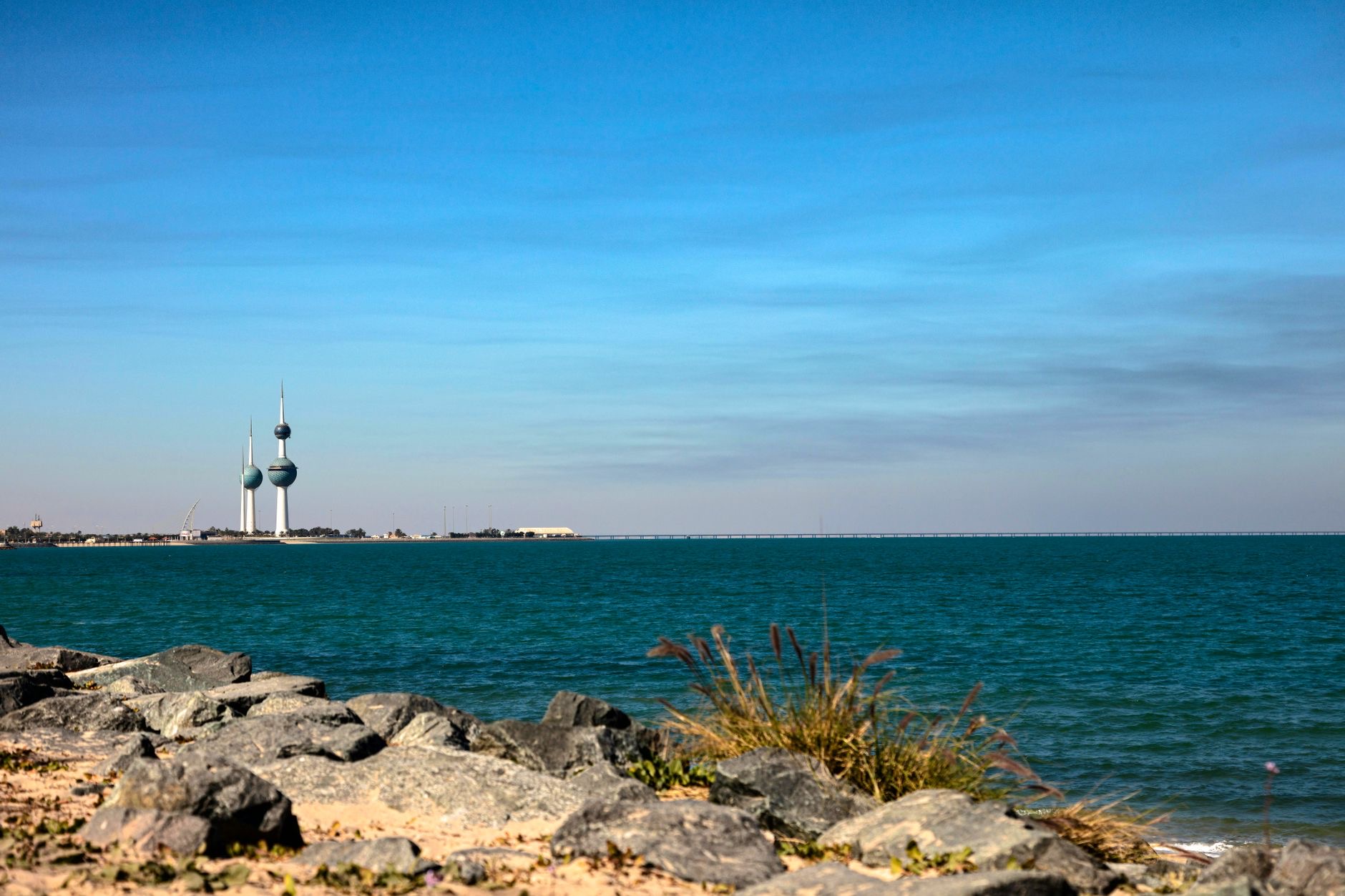
The disagreement is complicated by uncertainty over decision-making inside Iran. U.S. officials have said hard-line elements may have acted to undermine the ceasefire, while Iranian officials publicly defend the country’s authority over the waterway. Whether Iran’s diplomats can secure compliance from military and Revolutionary Guard units is therefore likely to be as important as the language of any new understanding.
Gulf mediation offers one of the few remaining ways to test that command structure without direct U.S.-Iran negotiations. Qatar has maintained indirect channels with both governments, and Qatari representatives have traveled to Iran during previous flare-ups. Pakistan has also remained engaged, with its foreign minister urging Araghchi to support de-escalation. Saudi, Turkish and Egyptian officials have participated in the wider regional push to prevent a return to full-scale war.
Those governments have leverage but limited control. They can transmit proposals, coordinate shipping arrangements and offer political cover for a compromise. They cannot guarantee that either side will accept restrictions after another attack, particularly when Washington and Tehran both claim that the other violated the previous deal first.
The economic stakes extend well beyond the Gulf. Before the war, about one-fifth of internationally traded oil and natural gas moved through the Strait of Hormuz. Even reduced traffic or higher insurance costs can affect crude prices, shipping schedules and U.S. gasoline costs. A sustained closure would also disrupt supplies from Saudi Arabia, the United Arab Emirates, Kuwait, Iraq and Qatar.
The latest Gulf discussions therefore represent less a new peace initiative than an emergency effort to establish minimum rules: stop attacks on commercial ships, prevent strikes on neighboring states and create a mutually understood navigation process. Without those steps, negotiations over Iran’s nuclear program or a wider end to the conflict are unlikely to advance.
For now, diplomacy and military pressure are proceeding simultaneously. Iran is talking with regional governments while asserting control over the strait. The United States is keeping negotiators engaged while carrying out heavier strikes. Gulf leaders are trying to preserve relations with both sides even as their territories absorb the consequences. That combination may prevent an immediate all-out war, but it also leaves the region vulnerable to the next disputed ship movement, warning shot or retaliatory order.




Leave a Reply