
The United States and Iran entered Thursday with diplomacy still technically alive but under severe strain, after a fresh exchange of strikes around the Strait of Hormuz led President Donald Trump to declare a fragile ceasefire “over” while also saying negotiations could continue.
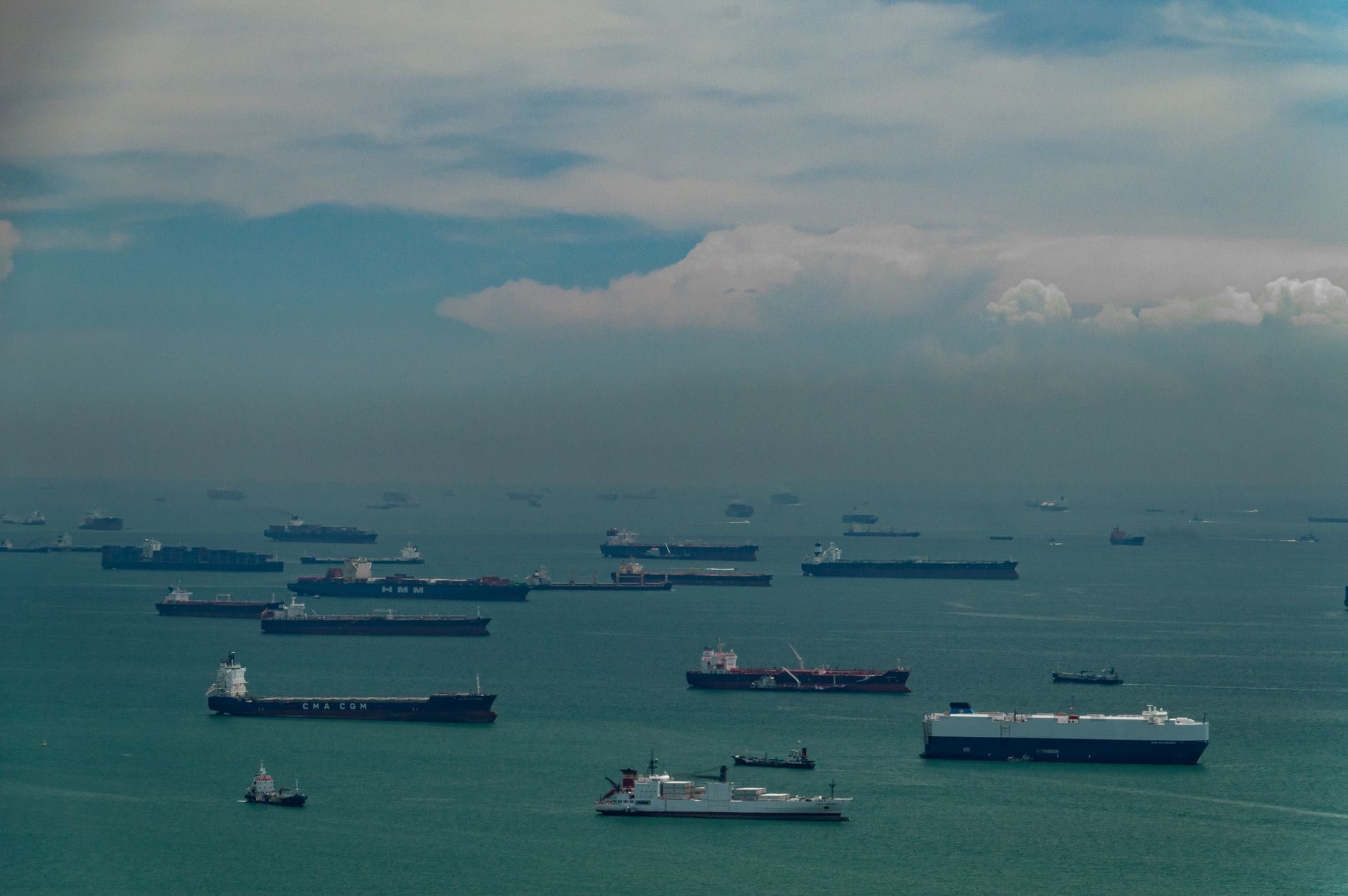
U.S. Central Command said American forces completed another round of strikes against Iran on July 8, hitting approximately 90 military targets, including air defense systems, coastal surveillance assets, missile and drone storage sites, naval capabilities and logistics infrastructure along Iran’s coastline. CENTCOM said the operation was aimed at degrading Iran’s ability to attack commercial shipping and civilian mariners moving through the Strait of Hormuz, the narrow Gulf waterway that remains central to global oil and gas flows.
Iran responded with attacks aimed at U.S.-linked military sites in the Gulf, including in Kuwait and Bahrain, according to accounts from U.S. and international news organizations. The exchange marked another rupture in an already unstable pause in the conflict and raised immediate questions about whether a June diplomatic framework can survive continued military retaliation.
The immediate trigger was a new round of reported Iranian attacks on commercial vessels in the Strait of Hormuz. The U.S. response reflected a shift in Washington’s battlefield priorities. What began as a campaign focused on degrading Iran’s missile, drone and nuclear capabilities has increasingly become a fight over freedom of navigation, maritime insurance risk, oil exports and the political meaning of control over the strait.
That makes diplomacy more urgent, not less. The core problem is no longer limited to whether Iran will accept nuclear limits or whether the United States will restore sanctions relief. Negotiators now have to address how ships move through the strait, whether Iran can claim a role in approving routes, what guarantees apply to Gulf Arab states and how the United States can protect shipping without locking itself into a rolling series of retaliatory strikes.
Trump’s public messaging reflected that tension. He said the ceasefire was finished after the latest attacks, but also suggested that Iran still wanted a deal. U.S. officials cited by Axios described diplomacy as stalled for the moment, with military pressure again at the center of the administration’s approach. But the same reporting indicated that Washington’s position remains tied to a negotiated outcome: Iran must stop targeting ships and keep the Strait of Hormuz open.

For Iran, the strait has become one of its strongest sources of leverage after months of military losses and sanctions pressure. Iranian officials have argued that shipping must move under Iranian-approved arrangements, a position Washington rejects. Tehran’s negotiators also say the United States has not honored key parts of the June understanding, while U.S. officials argue Iran violated the framework by attacking commercial vessels.
The dispute highlights a central weakness in the ceasefire architecture: both sides appear to have interpreted the Hormuz provisions differently. The United States has emphasized safe passage for commercial traffic, including routes near the Omani coast. Iranian officials have objected to movements they say bypass Tehran’s authority. That gap may sound technical, but in practice it determines whether tankers and container ships can move through the Gulf without becoming targets.
The U.S. relevance is direct. American troops are stationed across the Gulf, including in countries that have come under Iranian fire during the conflict. U.S. naval and air forces are also being used to protect shipping and deter attacks. Any prolonged disruption in Hormuz could feed into oil prices, gasoline costs, airline fuel expenses and inflation expectations in the United States, even if the market response remains uneven from day to day.
Global markets have already reacted to the breakdown. Oil prices moved higher after the new strikes, while investors weighed the risk of a longer conflict against signs that some tanker traffic had continued through the strait in recent weeks. The market reaction matters for U.S. consumers and businesses because the Strait of Hormuz is not just a regional military flashpoint; it is a global pricing reference point for energy security.
The diplomatic challenge is compounded by the broader war environment. The conflict has drawn in Israel, Lebanon, Gulf Arab states and international shipping interests. Previous efforts to de-escalate produced temporary pauses, face-to-face talks and a June agreement that appeared to offer a path toward a final deal. But repeated incidents at sea, retaliatory strikes and political pressure in both Washington and Tehran have steadily narrowed room for compromise.
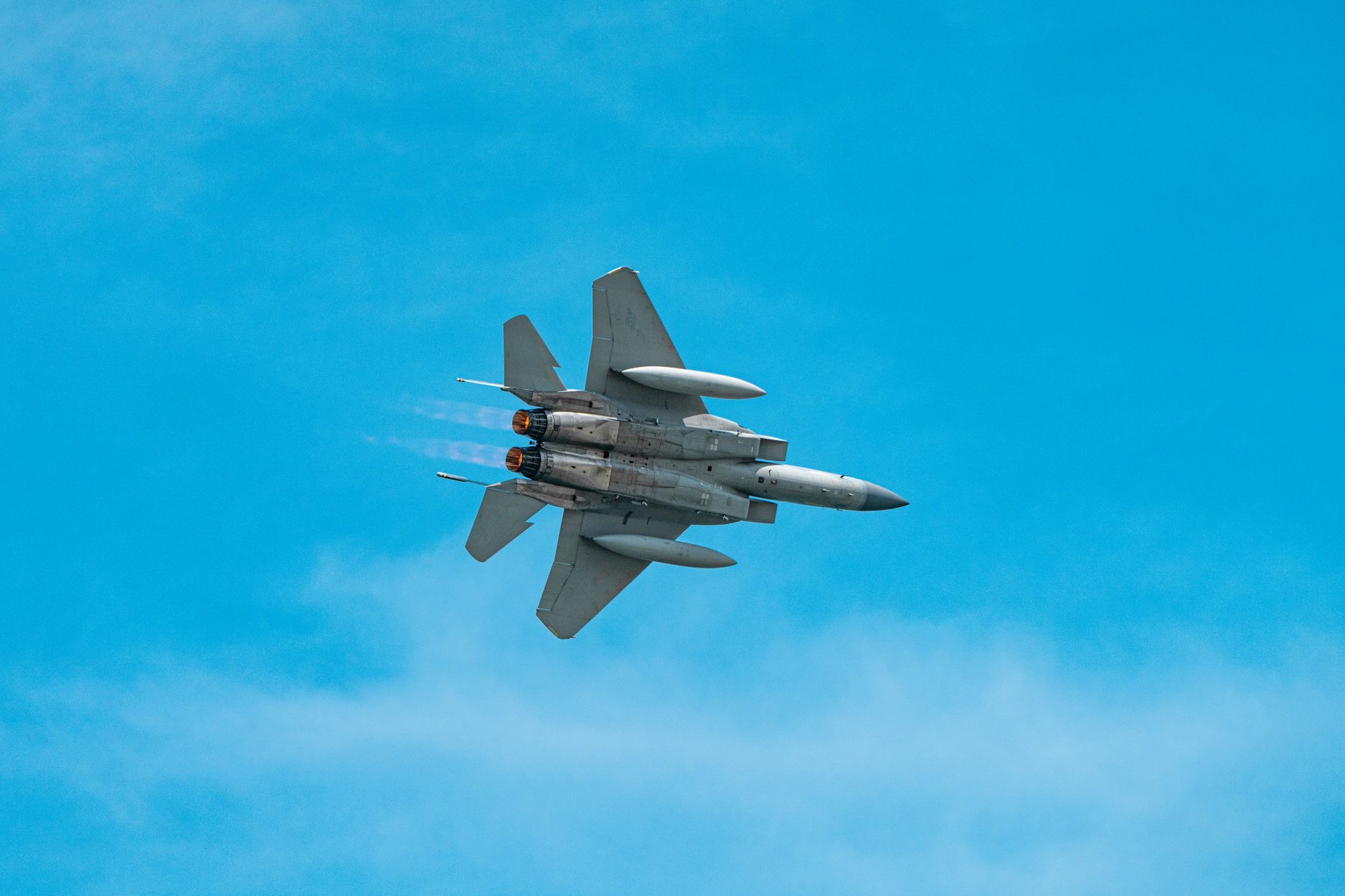
U.S. officials are trying to preserve deterrence while avoiding a larger war. That balancing act is difficult because every strike meant to restore freedom of navigation can also increase the political cost of returning to talks. In Tehran, military retaliation may strengthen hard-line voices that see negotiation as a trap. In Washington, attacks on commercial shipping and U.S.-linked bases increase pressure on the administration to respond forcefully.
Still, diplomacy remains essential because neither side has a simple military route to its stated goals. The United States can damage Iranian military infrastructure, but force alone cannot write enforceable rules for Hormuz traffic, secure durable sanctions compliance or guarantee that Iran will stop using maritime pressure. Iran can threaten shipping and retaliate against U.S. interests, but doing so risks deeper isolation, more strikes and greater pressure from Gulf states that depend on predictable trade routes.
Regional mediators, including Gulf partners and other governments involved in earlier talks, are therefore likely to remain central. Their task is to rebuild a channel between Washington and Tehran around practical steps: stopping ship attacks, clarifying transit routes, sequencing sanctions relief, verifying nuclear commitments and creating a process for future violations that does not immediately trigger a new exchange of fire.
The coming days will show whether the latest strikes become a short punitive episode or the start of another sustained phase of the war. If Iran pauses maritime attacks and the United States limits further strikes, diplomats may be able to return to the June framework and repair its disputed provisions. If either side escalates again, the negotiation track could remain formally open while losing practical force.
For now, the crisis sits in that dangerous middle ground: the ceasefire has been declared over, but the war has not foreclosed talks. That is why diplomats and military planners are moving on parallel tracks. The military objective is to keep ships moving and protect U.S. personnel. The diplomatic objective is harder but more durable: to produce terms that make repeated U.S.-Iran exchanges of fire unnecessary.




Leave a Reply