
Jamaica’s agreement with the United States to temporarily receive deportees from other countries is facing public protests in Kingston and fresh scrutiny from Jamaican-Americans in the United States, as critics demand fuller disclosure of a migration arrangement tied to Washington’s expanding third-country removal strategy.
The controversy centers on a memorandum of understanding signed by Jamaica and the United States concerning Third Country Nationals, or TCNs — people who are neither U.S. citizens nor Jamaican nationals but may be removed from the United States and routed through Jamaica. Jamaican officials say the arrangement is limited, temporary and not yet in operation. Protesters and opposition figures say the government has not been transparent enough about the terms, the screening process or the legal protections available to people who could be transferred.
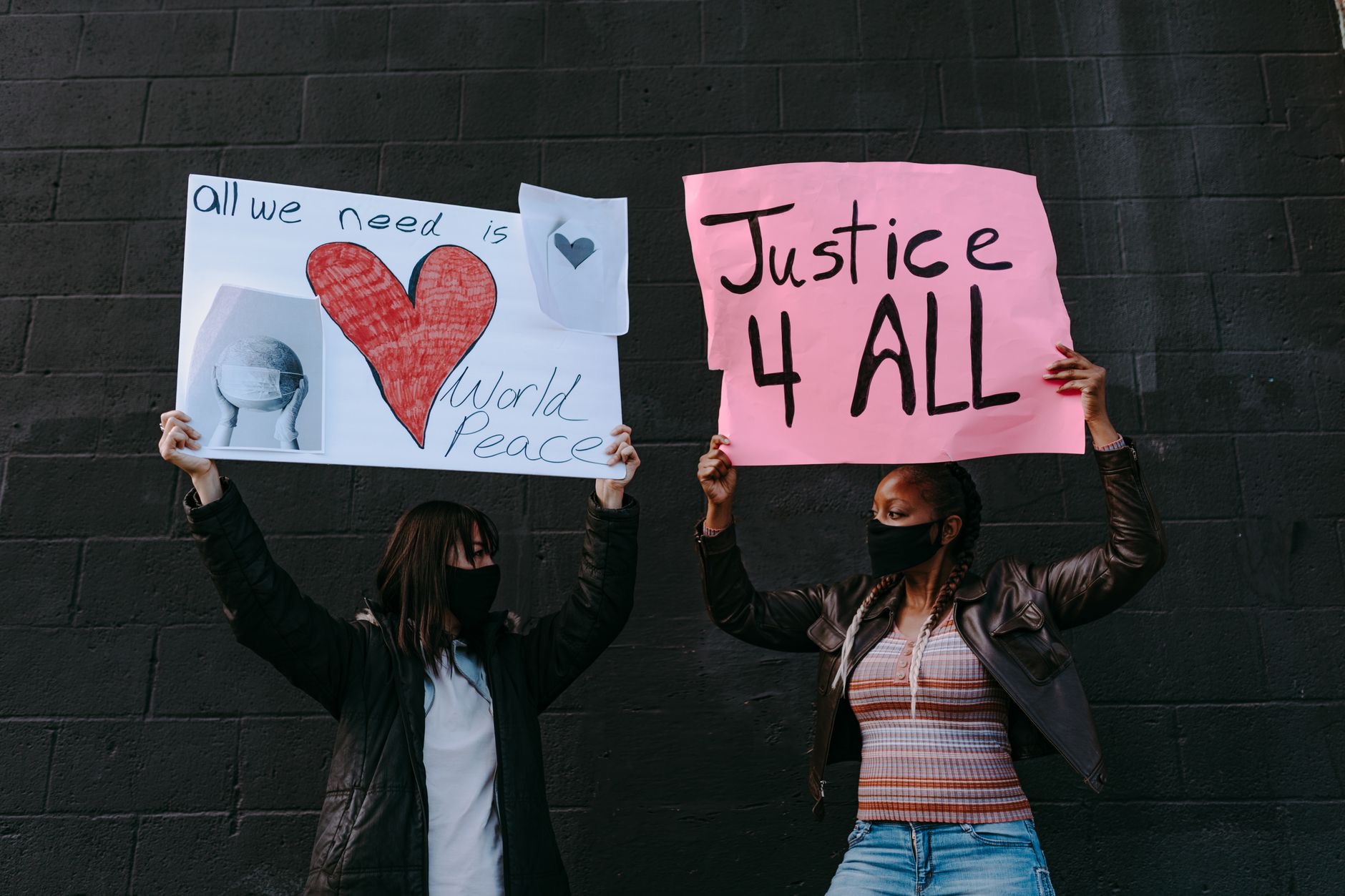
Hundreds of Jamaicans gathered last week in Cross Roads, St. Andrew, in a protest that combined objections to the U.S. deportee arrangement with broader complaints about governance and accountability. Demonstrators wore yellow and criticized Prime Minister Andrew Holness’ administration for entering into the MOU without, in their view, giving the public enough information about the deal’s scope and safeguards. Local reports said protest organizer Kay Osborne described the issue as part of a wider crisis of trust in government.
The protest has U.S. relevance beyond the bilateral agreement itself. A Jamaican-American advocate in New Jersey, Patrick Beckford, has formally asked members of the state’s congressional delegation — Sens. Cory Booker and Andy Kim and Rep. Bonnie Watson Coleman — to press U.S. agencies for details on the agreement. According to The Jamaica Gleaner, Beckford asked for transparency from the State Department and other federal agencies on the legal authority for the arrangement, the potential use of U.S. taxpayer funds, the categories of people eligible for transfer, and the screening, housing and human rights protections that would apply.
The request places the dispute inside a larger U.S. immigration debate. The Trump administration has pursued arrangements with foreign governments to accept deportees whom the United States seeks to remove but cannot easily return to their home countries. Supporters of such arrangements describe them as a way to manage migration and carry out removal orders. Critics say third-country removals can bypass due process, obscure responsibility for asylum protections and expose vulnerable people to onward deportation or unsafe conditions.
Jamaican officials have defended the MOU as a controlled transit mechanism, not a permanent resettlement program. Jamaica’s Ministry of National Security and Peace said in June that the arrangement does not create an automatic obligation for Jamaica to accept anyone and that no transfers would begin until operational procedures are finalized. The ministry said safeguards would include screening, verification, oversight mechanisms and provisions for suspension where necessary. It also said Jamaica would retain authority to reject individuals proposed for transfer.

Deputy Prime Minister and National Security Minister Horace Chang has said the MOU was signed after negotiations involving Jamaican foreign affairs, national security and legal officials. Jamaica Information Service reported that the agreement received Cabinet approval and was signed on June 10. Chang said the quota would be up to 25 individuals every two weeks and that those accepted would transit through Jamaica toward a third destination, including their home countries. He said the United States would pay for the individuals’ initial stay in Jamaica.
The government has also said the arrangement is not yet operational. In a June 27 statement, the Ministry of National Security and Peace denied claims that Third Country Nationals were already being housed in St. Mary, saying no transfer to any location in Jamaica had been approved. The ministry said housing arrangements, if the program begins, would be the responsibility of the International Organization for Migration and that there were no TCNs in Jamaica at that time.
One of the core disputes is whether the public has enough information to assess the arrangement. Critics have asked that the MOU be made public and tabled in Parliament. Opposition figures and civil society voices have raised questions about whether Jamaica’s asylum system and immigration procedures are equipped to handle people who may seek protection rather than onward return. They also want clarity on whether the agreement covers asylum seekers, families, children, people with criminal records, or only limited categories of non-criminal migrants.
Jamaican officials have sought to answer some of those concerns while leaving some operational details unresolved. Ambassador Audrey Marks, a Cabinet minister and former Jamaican ambassador to Washington, said people with criminal convictions would not be accepted under the arrangement. Jamaica Information Service reported her as saying the United States would fund the stay, that intake would be capped at 25 people every two weeks, and that the expected stay would be seven days to a maximum of 14 days. She also said full operationalization of the MOU had not been completed.
The disagreement has also involved the origins of the deal. Jamaican officials, including Chang and Information Minister Dana Morris Dixon, have said the arrangement was initiated by the United States. The Gleaner has reported that a diplomatic note from the U.S. Embassy in Kingston identified Marks as having proposed a third-country national arrangement involving up to 10,000 people. Marks has denied proposing the TCN deal, saying separate discussions about recruiting skilled workers to Jamaica were being conflated with the deportee arrangement.

For the United States, the political risk is that a foreign policy tool designed to assist immigration enforcement is now producing public resistance in a close Caribbean partner and among diaspora communities in U.S. states with large Jamaican populations. Any congressional inquiry could force federal agencies to clarify whether the arrangement involved U.S. funding, which department negotiated it, what screening standards apply and how Washington ensures that people removed from the United States are not sent onward to persecution or torture.
The legal context remains contested. The Associated Press reported that third-country deportation agreements have faced legal and human rights challenges in other countries, including Ghana, where rights lawyers sued over a U.S.-linked deal. Advocates have argued that such arrangements can result in people being sent from the United States to countries that then remove them to places they had legal protections against returning to. U.S. officials have generally defended third-country removals as part of immigration enforcement, especially in cases where home countries refuse to accept returnees.
Jamaica’s government says its arrangement is designed to avoid uncontrolled migration and preserve sovereignty. Protesters say the government’s assurances are not enough without disclosure of the agreement itself and the procedures attached to it. That gap — between official reassurance and public demand for documentation — is now the central issue driving the controversy.
The next phase may depend on whether Jamaican officials release more of the MOU, whether Parliament takes up demands for review, and whether U.S. lawmakers respond to diaspora calls for an inquiry. Until then, the protests in Jamaica are likely to remain tied to a wider U.S. debate over how far Washington can go in outsourcing deportation pathways to partner countries.




Leave a Reply