
U.S. and Iranian negotiators ended high-level talks in Switzerland on Monday after mediators Qatar and Pakistan said the two sides agreed on a structured road map toward a possible final deal within 60 days, keeping alive a fragile diplomatic effort aimed at ending a wider conflict and reducing risks around the Strait of Hormuz and Lebanon.
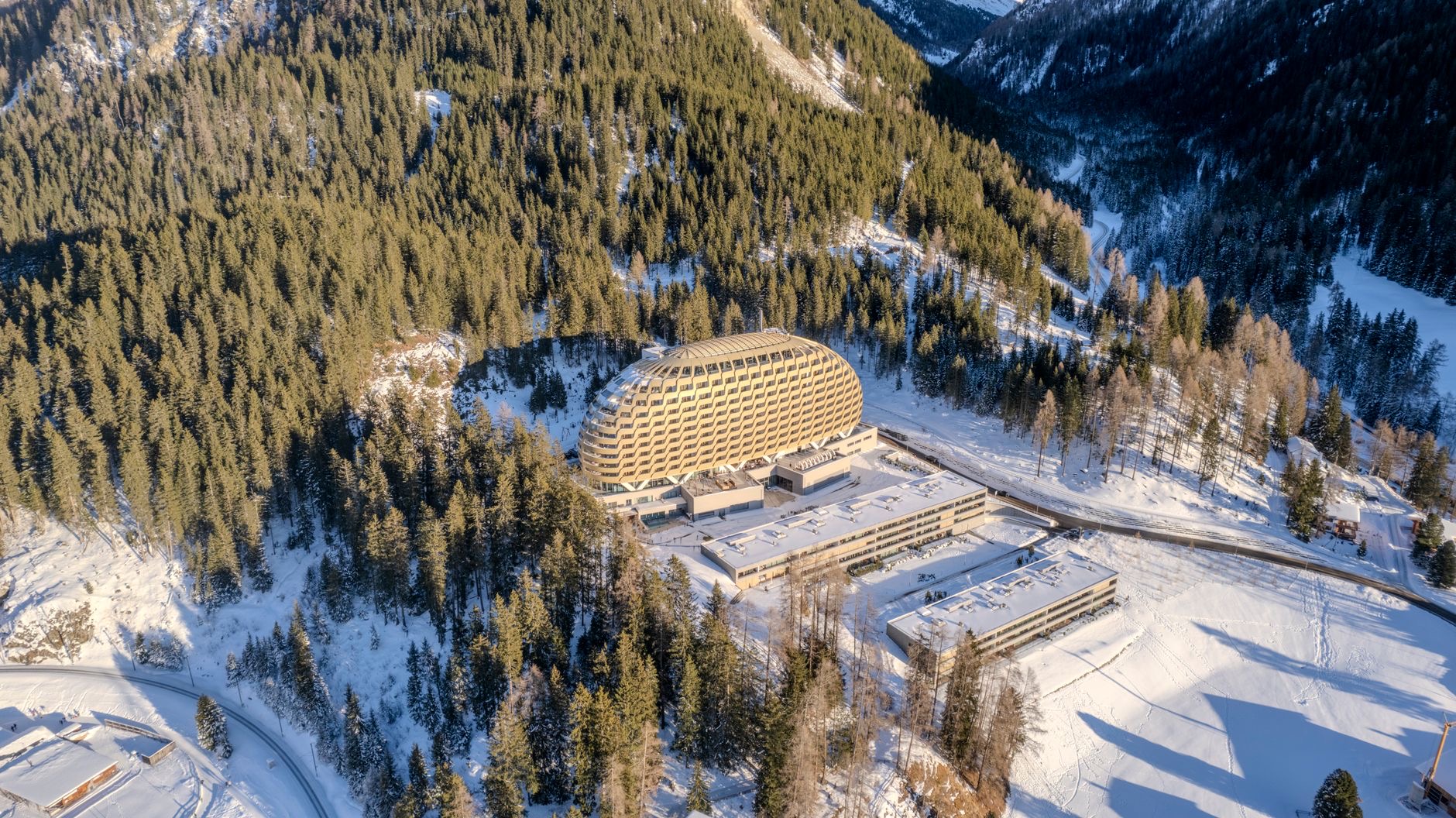
The talks, held at the Bürgenstock resort near Lake Lucerne, brought together representatives of the United States, Iran and the two mediating governments under the framework of the Islamabad Memorandum of Understanding. In a joint statement, Qatar and Pakistan said the first high-level session concluded in a “positive and constructive atmosphere” and that further technical talks would begin immediately and continue for the rest of the week at the Swiss venue.
Vice President JD Vance, who led the U.S. political delegation, said after the meeting that the discussions had created a “good foundation” for a final agreement. He cautioned that the talks had not produced a completed settlement, describing the outcome instead as the architecture for continued bargaining. U.S. envoys Steve Witkoff and Jared Kushner are expected to remain involved in technical-level negotiations, according to reporting from The Associated Press.
The mediators said the parties agreed to create a High Level Committee to provide political oversight for the mediation. Chief negotiators are expected to report to that committee while working groups focus on nuclear issues, sanctions, monitoring, dispute resolution and other matters required to implement the memorandum. That structure is intended to prevent the negotiations from stalling after the departure of senior political figures from Switzerland.
The talks also produced a communication line designed to prevent incidents and miscommunication affecting commercial vessels in the Strait of Hormuz, one of the world’s most important energy shipping corridors. The waterway has been a central pressure point in the conflict, with threats to transit raising concerns about oil supply, shipping insurance, fuel prices and the risk of direct military confrontation involving U.S. forces.
According to AP reporting, dozens of ships passed through the strait over the weekend, although traffic remained below normal levels and vessels were avoiding some routes because of security concerns. The issue is especially important for Washington because disruption in the strait can quickly affect global oil prices and U.S. gasoline costs, giving the talks a domestic economic dimension beyond their security implications.

The mediators also announced a de-confliction cell involving the parties, Lebanon and the mediators to support adherence to the termination of military operations in Lebanon under the memorandum. Iran has treated the fighting between Israel and Hezbollah as a critical test of whether any broader arrangement can hold. Neither Israel nor Hezbollah is a direct signatory to the U.S.-Iran process, leaving a major enforcement gap that could still undermine the negotiations.
Iranian Foreign Minister Abbas Araghchi said the Lebanon track had made major progress, but he also framed it as the first practical test of the understandings reached in Switzerland. AP reported that a renewed ceasefire in Lebanon appeared to be holding Monday, with no Israeli strikes reported overnight and Hezbollah not announcing attacks on Israeli forces since Saturday. The calm remained tentative, and the conflict’s future will depend partly on whether the new mechanism can manage escalation between actors outside the formal negotiating table.
The nuclear file remains the most sensitive unresolved issue. Vance said Iran had agreed to allow International Atomic Energy Agency inspectors back into the country, while Reuters reported that the U.S. Treasury linked its sanctions step to Iranian commitments on nuclear inspections and free passage through the Strait of Hormuz. The precise scope, access rules and verification terms for any inspection regime remain subject to technical talks.
The economic track moved quickly after the Switzerland session. The Treasury Department’s Office of Foreign Assets Control listed Iran General License X, authorizing the production, delivery and sale of Iranian-origin crude oil, petrochemical products and petroleum products through Aug. 21, 2026. Reuters reported that the temporary license allows Iranian oil transactions and related services as Washington seeks a final peace deal, while excluding certain jurisdictions from the authorization.
The license represents a major sanctions-related incentive, but it is temporary and tied to the diplomatic process. Reuters reported that Treasury Secretary Scott Bessent said Iran had committed to free and open transit in the Strait of Hormuz and to permitting IAEA inspectors into the country. The move gives Iran potential economic relief while giving Washington a short-term lever: if talks collapse or commitments are not implemented, the authorization can expire or be narrowed.

Another unresolved component is the handling of frozen Iranian assets. Vance suggested that some assets could be unfrozen for purchases of U.S. agricultural goods such as soy, corn and wheat, with Qatar playing an approval role. AP reported that Iran had not commented on that idea. If developed, such a mechanism could allow limited economic relief while attempting to restrict how funds are used, but it would likely draw scrutiny in Washington and from regional allies concerned about Iranian financing.
The negotiations were not free of disruption. President Donald Trump did not attend the Lake Lucerne talks, but his public threats toward Iran during the process shook the atmosphere and prompted Iranian state media to report a pause after what it described as an insulting U.S. message. Vance later said the talks continued well past 1 a.m. and rejected the idea that Trump’s remarks had derailed the process.
The Washington Post reported that the talks lasted about 18 hours, citing Iranian media, and that Pakistan and Qatar described the result as “encouraging progress.” The mediators’ statement emphasized that they would continue efforts to keep negotiations constructive and aimed at a peaceful resolution. That diplomatic language leaves open the possibility of both success and breakdown: the parties now have process, but not yet a durable settlement.
For the United States, the next phase will test whether the administration can balance pressure and incentives while keeping allies and Congress aligned. The talks touch several areas of U.S. policy at once: nuclear nonproliferation, sanctions, energy security, maritime navigation, Israel’s security, Lebanon’s stability and the future role of Gulf mediators. Any final deal would need credible monitoring and enforceable timelines to withstand regional shocks.
The immediate takeaway from Switzerland is that U.S.-Iran diplomacy has moved from emergency contacts to a defined negotiation framework. The harder test begins now, as technical teams attempt to convert broad understandings into verifiable commitments before the 60-day window closes.




Leave a Reply