
Pope Leo XIV on Wednesday welcomed the agreement reached between the United States and Iran and urged fresh dialogue to end the war in Ukraine, using his weekly general audience to endorse diplomacy on two conflicts central to U.S. foreign policy.
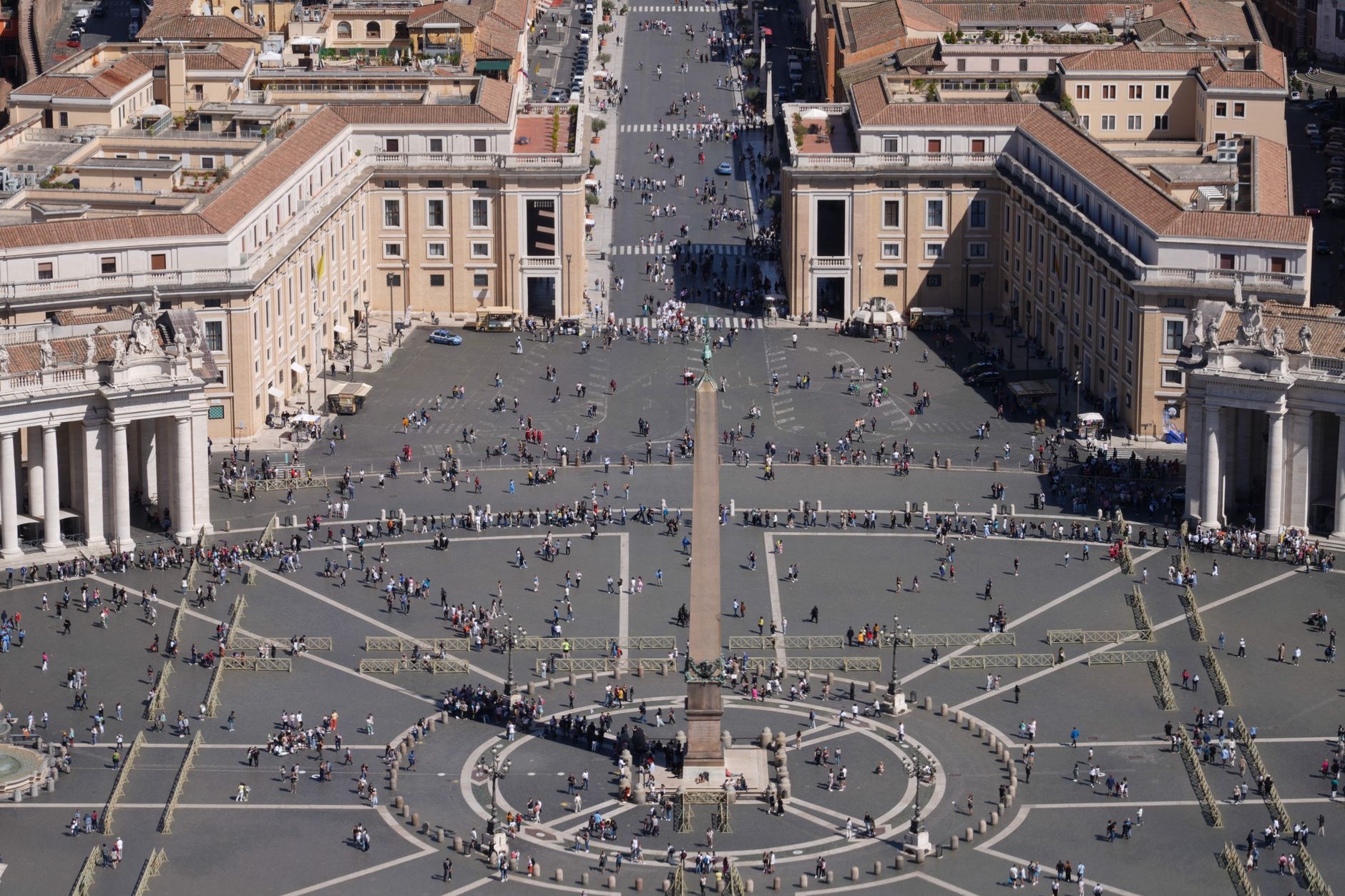
Speaking in St. Peter’s Square after a catechesis focused largely on his recent apostolic journey to Spain, the pope said he received the U.S.-Iran accord “with satisfaction” and described it as the product of patient negotiation. He thanked countries that helped bring the parties together and said he hoped the agreement would strengthen trust, security and stability in the Middle East through “paths of dialogue and cooperation among peoples.”
The appeal was notable not only because of the Vatican’s long-standing preference for negotiated settlements, but also because the agreement remains a live political issue in Washington. U.S. officials have described the pact as a memorandum of understanding intended to end nearly four months of war, reopen the Strait of Hormuz and establish a framework for future talks on Iran’s nuclear program and regional activities. A formal signing ceremony is expected Friday, even as the full text has not yet been publicly released.
The pope’s comments tracked closely with the diplomatic mood at the G7 summit in Évian-les-Bains, France, where leaders issued a geopolitical statement backing the U.S.-Iran announcement and calling it a historic opportunity to prevent Iran from acquiring a nuclear weapon. The G7 said it was ready to contribute to implementation of the agreement and supported a follow-on diplomatic process involving regional and international partners, including the International Atomic Energy Agency.
The G7 also emphasized the economic stakes. Leaders reaffirmed that unrestricted transit passage is a foundation of international trade and said a France- and U.K.-led defensive maritime initiative could help restore merchant traffic through the Strait of Hormuz by protecting vessels, reassuring commercial shipping operators and supporting verification that mines have been removed. The strait is one of the world’s most important energy corridors, and its disruption during the conflict has been a major source of market concern.
Reuters reported this week that U.S. officials said the memorandum had been signed by President Donald Trump, Vice President JD Vance and Iranian parliament speaker Mohammad Bagher Qalibaf, with a formal ceremony to follow. Those officials said shipping traffic in the Strait of Hormuz was expected to increase gradually and that any sanctions relief or release of Iranian funds would be tied to Tehran’s willingness to work with Washington on nuclear issues and regional militancy.

At the same time, the agreement faces scrutiny from Congress. Trump said Tuesday he was willing to send the interim deal to lawmakers after the formal signing, while senators from both parties said they had not yet received the text. Under U.S. law governing review of Iran nuclear agreements, Congress may have a role before sanctions are eased, depending on the final form and substance of the pact. That makes the agreement not only a diplomatic initiative but also a pending domestic political test.
Leo’s statement avoided the legal and strategic details of the memorandum, focusing instead on the principle that dialogue had produced a tangible opening. That framing is consistent with the Vatican’s diplomatic style: it rarely claims operational credit for agreements but often uses papal appeals to reinforce negotiations, humanitarian access and restraint by armed actors. In this case, the pope’s praise amounted to a public blessing of continued diplomacy without endorsing any specific provision of the U.S.-Iran text.
The second half of the pope’s appeal turned to Ukraine, where he said “distressing news” continued to emerge as the war escalated. He referred to innocent victims, aid workers killed, churches and cultural heritage sites devastated by fire, and people continuing to serve life amid violence. He invited prayer for an end to the war and asked that “pathways to dialogue” be opened so a just and lasting peace could become possible.
The Ukraine remarks came days after a Russian strike caused serious damage to the Kyiv Pechersk Lavra complex, a nearly 1,000-year-old monastery and UNESCO World Heritage site. Reuters reported that the attack set fire to the roof of the Dormition Cathedral and damaged other parts of the complex; Russia denied striking the monastery and said the damage was caused by a U.S.-made Patriot air defense missile. Ukrainian officials said restoration could take about two years.
That damage gave immediate context to the pope’s reference to churches and cultural heritage. The Vatican has repeatedly framed Ukraine not only as a battlefield crisis, but also as a humanitarian, spiritual and cultural emergency. Leo’s remarks followed earlier appeals from the Holy See for prisoner exchanges, protection of civilians and steps toward negotiations, including the possibility that the Vatican could serve as a venue or facilitator if the parties were willing.

At the G7, leaders paired support for Ukraine with pressure on Russia. Their statement reaffirmed backing for Ukraine’s freedom, sovereignty and territorial integrity and said members would increase deliveries of air defense capacities, additional systems and interceptors, and long-range capabilities. They also said they would strengthen sanctions on Russia, including measures targeting the oil and gas sectors, and provide further support for Ukraine’s energy resilience ahead of winter.
For Washington, the pope’s dual appeal sharpened the contrast between two tracks of U.S. diplomacy: a Middle East agreement the White House is promoting as a breakthrough, and a Ukraine war still dependent on military aid, sanctions and unresolved negotiations with Moscow. The Vatican’s message was that both conflicts ultimately require more than battlefield leverage. In the pope’s formulation, stability in the Middle East and peace in Ukraine both depend on dialogue that can survive domestic politics, regional mistrust and continuing violence.
Leo XIV’s own background gives the remarks a distinctive U.S. dimension. Born Robert Francis Prevost in Chicago, he became the first American-born pope when elected in 2025, after years of ministry in Peru and service in the Vatican. His intervention on an American-negotiated Iran agreement and a U.S.-backed Ukraine strategy therefore carries unusual symbolic weight, even as the Holy See continues to speak as a sovereign religious and diplomatic actor rather than as an arm of any national policy.
The immediate effect of the pope’s statement is likely to be rhetorical rather than procedural. The Iran memorandum still must be signed formally, implemented and tested through nuclear and regional follow-on talks. Ukraine’s path to peace remains far more uncertain, with Russia and Ukraine divided over territory, security guarantees and battlefield realities. But the pope’s message added a prominent moral voice to the international pressure for negotiation at a moment when both crises are entering decisive diplomatic phases.




Leave a Reply