
The United States and Iran have reached a preliminary framework for peace that could halt months of hostilities, begin reopening the Strait of Hormuz and set up a new round of negotiations over Tehran’s nuclear program, according to U.S. officials and multiple international reports published Monday.
The reported memorandum of understanding is not a final peace treaty. Its text has not been fully released, and officials have described the document as broad, short and dependent on follow-up talks. But even as a framework, it represents a potentially major diplomatic break after a conflict that drew in U.S. forces, disrupted Gulf shipping, raised global oil prices and intensified pressure on Washington’s military and diplomatic posture across the Middle East.
The agreement was reported to have been signed by President Donald Trump, Vice President JD Vance and Iranian parliamentary speaker Mohammad Bagher Qalibaf, with a formal signing ceremony expected in Geneva on Friday. Pakistan and Qatar have been cited as key mediators in the talks, while European and Gulf governments are pressing for rapid implementation and clear rules for maritime traffic through Hormuz.
At the center of the framework is a phased de-escalation: a halt to military operations, steps to reopen the Strait of Hormuz, and a negotiating window to settle more difficult issues that the memorandum itself appears to defer. Those issues include Iran’s enriched uranium stockpile, access for international nuclear inspectors, sanctions relief, frozen Iranian assets and the future of U.S. restrictions tied to Iranian oil and finance.
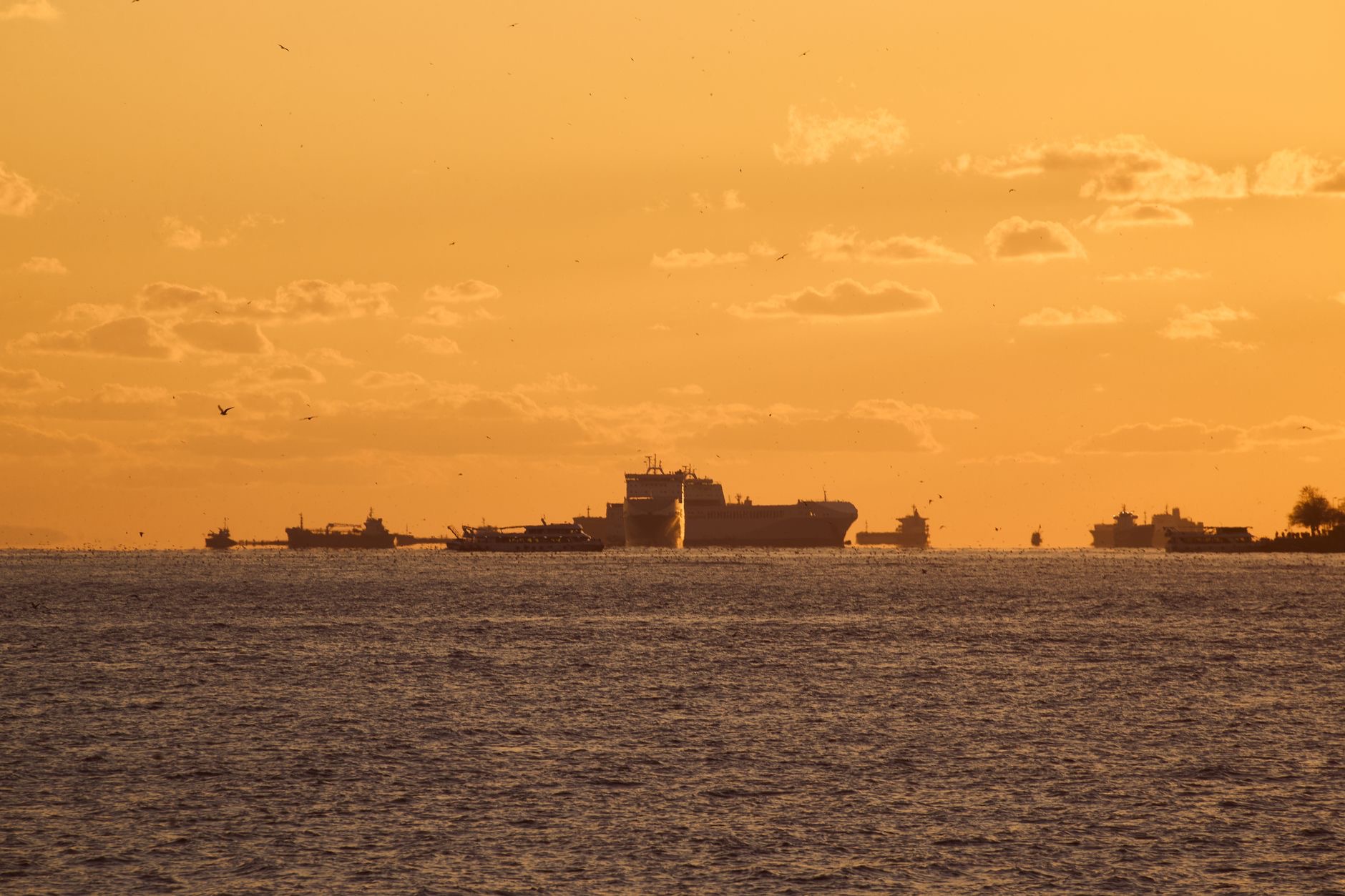
For the United States, the immediate strategic priority is freedom of navigation. The Strait of Hormuz is one of the world’s most important energy corridors, and disruptions there have affected oil flows, shipping insurance, fuel prices and broader inflation expectations. Trump has publicly emphasized the reopening of the waterway, while other officials have warned that a full return to normal traffic could take longer than political announcements suggest because of security checks, demining, insurance constraints and uncertainty over fees or passage rules.

The framework also appears to suspend, rather than resolve, the nuclear dispute that has defined U.S.-Iran policy for years. Vance has said nuclear inspectors are expected to return under the terms of the arrangement, but the scope, timing and enforcement mechanism remain unclear. Reuters and other outlets have reported that the memorandum creates a 60-day period for technical negotiations. That compressed timeline could prove difficult if negotiators must address enrichment levels, verification at damaged or restricted sites, sanctions sequencing and Iran’s demand for access to frozen funds.
The political risk for Washington is that the framework may be judged by what it prevents in the short term but by what it fails to lock down over time. Supporters of the deal can argue that stopping attacks, reopening a critical shipping lane and bringing Tehran back to nuclear talks are immediate gains. Critics are likely to focus on whether Iran receives economic relief before making verifiable concessions, whether the agreement leaves out missile and proxy-force issues, and whether U.S. leverage declines once the blockade pressure eases.
The reported deal is already facing scrutiny inside the U.S. national security establishment. Axios reported that CIA Director John Ratcliffe expressed doubts about Iran’s willingness to make the nuclear concessions Washington is seeking in any final agreement, citing sources familiar with internal discussions. That reported skepticism underscores a central challenge for the administration: the framework may reduce battlefield risk while increasing the burden on intelligence agencies, inspectors and diplomats to verify Iranian compliance.
Regional reactions remain complicated. The United Arab Emirates has urged full implementation and stressed freedom of navigation through Hormuz. United Nations officials have welcomed de-escalation while calling for restraint and humanitarian protections. Israel, meanwhile, has signaled concern that the agreement could leave Iranian-backed groups and Iran’s missile capabilities outside the immediate negotiating agenda. Any renewed Israeli-Hezbollah fighting in Lebanon, attacks on shipping or disputes over enforcement could test the framework before the Geneva process even begins.
Iranian politics could also shape the outcome. Reports from Tehran indicate that hardline factions have criticized the framework, particularly if it limits Iran’s leverage over Hormuz or requires expanded nuclear access without immediate economic gains. Iranian officials have long sought sanctions relief and access to frozen assets, while insisting that the country’s nuclear program is peaceful. The United States has insisted that meaningful relief depends on verifiable steps by Tehran.

Markets reacted quickly to the prospect of de-escalation. Oil prices fell and equity sentiment improved after reports that the strait could begin reopening, reflecting investor hopes that energy flows will stabilize. But the market response remains conditional. Shipping firms, insurers and energy traders are likely to wait for operational proof that vessels can move safely, predictably and without new toll disputes or military risk.
The framework gives Trump a potential foreign-policy victory at a moment when the war had become a domestic economic and political liability. Higher fuel prices, pressure on U.S. military resources and allied unease had raised the cost of an extended confrontation. But the same agreement could expose the administration to criticism if Iran is seen as preserving too much nuclear capacity, gaining sanctions relief too early or using the negotiating period to delay more intrusive verification.
The next major test is transparency. Officials have said the memorandum’s text may be released soon, but until then, many of the most important details remain based on public statements, briefings and reporting rather than a published agreement. The difference matters: a general ceasefire document can calm markets and reduce immediate violence, but durable peace will depend on enforceable commitments, inspection access, sanctions sequencing and mechanisms for responding to violations.
For now, the U.S.-Iran framework is best understood as a diplomatic opening rather than a completed settlement. It may pause a dangerous conflict, restore some shipping through Hormuz and create space for nuclear diplomacy. Whether it becomes a lasting peace will depend on the next 60 days of negotiations — and on whether Washington, Tehran and regional actors avoid steps that could collapse the fragile arrangement before its terms are fully defined.




Leave a Reply