
Turkish Foreign Minister Hakan Fidan said Türkiye welcomed progress in peace talks between the United States and Iran, giving public support to Pakistan’s mediation effort as Washington and Tehran face mounting pressure to prevent the Gulf crisis from widening further.
Fidan made the remarks on June 5 during a news conference in Dhaka with Bangladesh’s foreign minister, according to Hürriyet Daily News. He said Türkiye hoped the talks would produce “concrete results” and create the basis for lasting peace and stability. He also linked any durable settlement to the reopening and secure operation of the Strait of Hormuz, saying free passage through the waterway and a return to pre-war conditions were essential for global economic and energy security.
The comments place Ankara firmly behind a diplomatic track that has become increasingly relevant to U.S. interests. The United States is trying to limit the risk of further confrontation with Iran while maintaining pressure on Tehran over regional security, nuclear-related concerns and maritime activity. For American policymakers, the Hormuz issue is central: disruption in the waterway can quickly affect oil prices, shipping insurance, Gulf military posture and domestic fuel costs.
Fidan’s message was also notable because it highlighted Pakistan’s role as mediator. Pakistan has emerged as a channel for communications between Washington and Tehran during the crisis, while Türkiye has sought to position itself as a supportive regional actor rather than the primary broker. That diplomatic posture allows Ankara, a NATO member with ties across the Middle East, to support talks without taking ownership of terms that remain politically sensitive for both the United States and Iran.
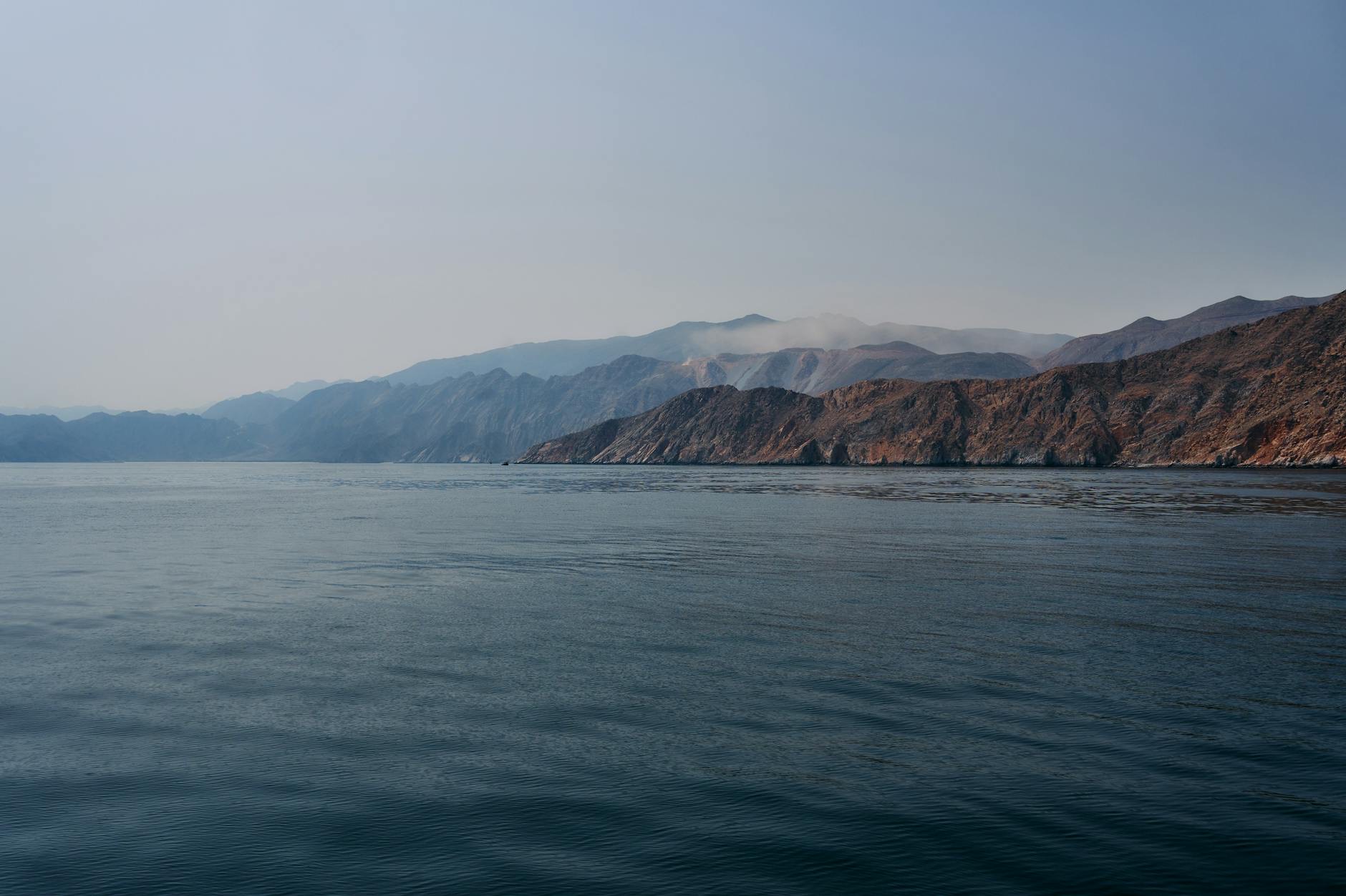
The Turkish minister’s remarks came against a volatile backdrop. Reuters reported on June 5 that Iran said it had fired warning missiles and drones at U.S. warships in the Gulf of Oman, alleging U.S. naval harassment of maritime traffic and seizures of vessels linked to sanctions enforcement. The U.S. side, according to the same report, had described operations aimed at disrupting illicit networks and sanctioned shipping.
AP separately reported that the U.S. military said it shot down Iranian missiles and drones launched toward Gulf allies and the Strait of Hormuz, while also striking Iranian coastal radar sites. The report said U.S. Central Command described the actions as defensive responses to threats in the region, while Iran claimed it had targeted U.S.-linked military facilities in the Gulf. Those claims and counterclaims underscored how quickly the diplomatic track could be overshadowed by military incidents.

For Türkiye, the central issue is not only the U.S.-Iran dispute but also the wider economic risk created by instability around Hormuz. Fidan said the confrontation affects not just the region but the world, reflecting Ankara’s concern that a prolonged crisis could intensify energy-market volatility, disrupt shipping and compound pressure on import-dependent economies. Türkiye imports much of its energy and has long treated maritime security and regional de-escalation as linked priorities.
The U.S. relevance is equally direct. American forces maintain a significant presence across the Gulf, and Washington has security commitments to regional partners that could be tested by Iranian missile, drone or naval activity. Any escalation near Hormuz can also affect U.S. consumers through global oil pricing, even when the United States is producing large volumes of domestic crude. That gives the talks a domestic economic dimension as well as a strategic one.
Fidan’s endorsement does not mean a final agreement is close or guaranteed. The available public accounts indicate that the talks remain fragile and vulnerable to events on the ground. Military incidents, disputes over maritime enforcement, sanctions relief, ceasefire terms and broader regional conflicts could all complicate the process. Fidan’s language was therefore supportive but cautious: Türkiye welcomed progress and hoped for concrete results, rather than declaring that a settlement had been reached.
The emphasis on “pre-war” conditions also points to the breadth of what diplomats may need to resolve. Reopening or normalizing Hormuz traffic would require more than political statements. It would likely involve understandings on maritime conduct, vessel seizures, sanctions enforcement, military deployments and assurances to commercial shippers. Even if Washington and Tehran agree on a framework, implementation could be difficult if either side believes the other is using Gulf waters to gain leverage.
Türkiye’s role may be most useful in supporting regional consensus around de-escalation. Ankara has maintained contacts with several regional governments during the crisis and has repeatedly warned against turning the Strait of Hormuz into a pressure tool. By publicly praising Pakistan’s mediation, Fidan signaled that Türkiye is willing to reinforce diplomatic efforts led by another Muslim-majority state while keeping its own channels active.

That approach could help reduce the diplomatic burden on Washington. U.S.-Iran talks are politically sensitive in the United States, particularly if they involve sanctions relief, security guarantees or concessions on maritime policy. Support from Türkiye, Pakistan and other regional actors can frame diplomacy less as a bilateral concession and more as a broader stabilization effort aimed at protecting global trade and energy flows.
Still, public support from Ankara does not erase the hard policy choices facing the United States and Iran. Washington must balance pressure on Tehran with the need to avoid a wider conflict. Tehran must decide whether the benefits of de-escalation outweigh the leverage it gains from threatening Gulf shipping and maintaining military pressure. Both sides also face domestic constituencies that may view compromise as weakness.
Fidan’s remarks therefore capture a narrow but important diplomatic opening: regional governments see value in the U.S.-Iran talks and want them to move toward practical results, especially on Hormuz. The immediate test is whether mediation can survive the next round of military incidents and produce verifiable steps that lower risk for shipping, Gulf allies and U.S. forces.
For now, Türkiye is publicly aligning itself with the de-escalation camp. Its message is that progress in the talks should be preserved, Pakistan’s mediation should be supported, and freedom of navigation through the Strait of Hormuz should be treated as a core condition for regional and global stability. For Washington, that regional backing may be useful—but it will not substitute for a negotiated framework that both the United States and Iran are willing and able to enforce.




Leave a Reply