
The United States struck Iranian targets near the Strait of Hormuz while ceasefire talks were still under way, prompting Tehran to accuse Washington of violating the truce and raising new doubts about whether negotiators can convert a fragile pause in fighting into a broader de-escalation deal.
U.S. officials described the strikes as limited and defensive, saying American forces targeted missile launch sites and boats that were allegedly attempting to lay mines in waters near southern Iran. Iran’s foreign ministry rejected that explanation, calling the strikes a gross violation of a ceasefire that had been in place for nearly seven weeks and warning that Washington would bear responsibility for the consequences.
The timing is diplomatically sensitive. The talks have centered on extending the ceasefire, restoring commercial shipping through the Strait of Hormuz and creating room for more difficult negotiations over Iran’s nuclear program and financial relief. Secretary of State Marco Rubio said the process could take “a few days,” while also insisting that the waterway must be reopened “one way or the other.”
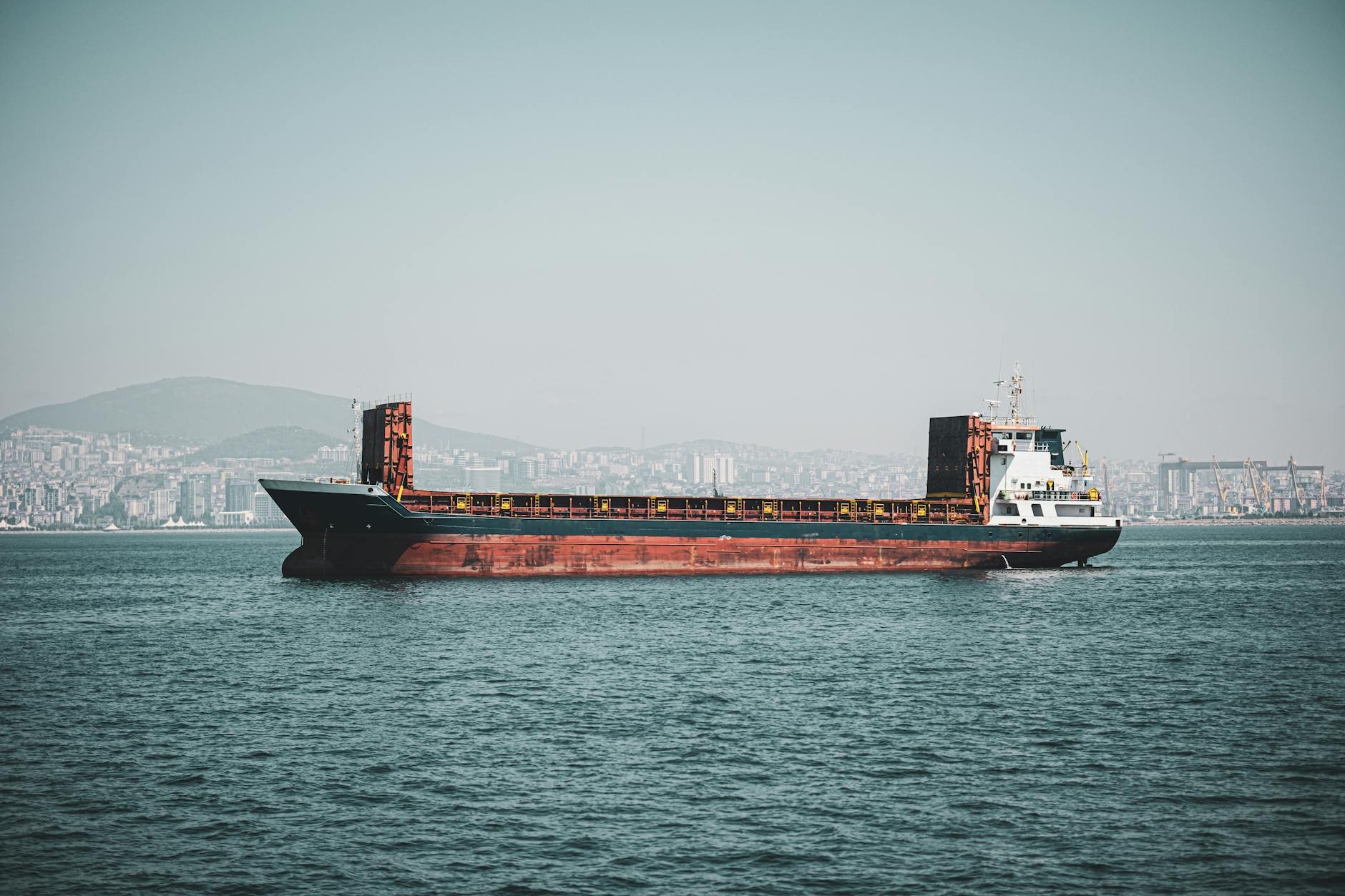
The Strait of Hormuz is the core strategic issue in the immediate crisis. The narrow passage off Iran’s southern coast is one of the world’s most important energy corridors, normally carrying a large share of global oil and liquefied natural gas trade. Since the war began, traffic has been sharply reduced, adding pressure to energy markets, shipping schedules and fertilizer supply chains. Even partial disruption can affect U.S. gasoline prices, airline costs, petrochemical production and inflation expectations.
The latest confrontation shows the narrow line Washington is trying to walk. The Trump administration is using military force to protect U.S. troops and naval operations while trying to keep a diplomatic track open. That approach carries risks: strikes intended as defensive can be seen by Tehran as escalation, while any failure to respond to mine-laying or missile threats could expose U.S. forces and commercial vessels to greater danger.
Iran has not walked away publicly from the diplomatic process, but its response was sharply worded. Iranian officials said the country reserved the right to retaliate. Iran’s Revolutionary Guard also said it had shot down at least one U.S. drone and challenged other aircraft that entered Iranian airspace, according to Iranian state-linked reporting cited by international news agencies. The United States has not confirmed those Iranian claims in the same terms.

Negotiations have reportedly involved proposals for an initial deal that would stop hostilities, restore shipping through Hormuz and allow a longer negotiating period for more complex issues. Iranian media have reported that Tehran is seeking the release of billions of dollars in frozen assets as part of an early-stage arrangement. U.S. officials have signaled that any agreement must also address Iran’s nuclear program and ensure that shipping lanes remain open without coercion.
The talks are unfolding against a wider regional conflict. Reuters reported that Israel intensified strikes in Lebanon as U.S.-Iran diplomacy continued, while Iran has sought an end to Israeli attacks in Lebanon as part of a broader settlement. That linkage complicates the negotiations because Washington, Tehran, Israel, Hezbollah and Gulf states all have overlapping but conflicting interests. A narrow shipping deal may be easier to reach than a durable regional settlement.
Oil markets have reacted quickly to every sign of escalation or progress. Reuters reported that Brent crude rose about 3.5% on Tuesday after the U.S. strikes, approaching $100 a barrel. A day later, prices eased as traders weighed the possibility that talks could still produce a deal. That volatility underscores why the conflict has moved beyond a regional security crisis and into a global economic concern.
For the United States, the domestic implications are immediate. Higher oil prices can feed into gasoline, diesel, aviation and freight costs, complicating inflation management and consumer spending. Technology companies are not insulated: data centers, hardware supply chains, logistics networks and semiconductor manufacturing all remain exposed to energy prices and international shipping disruptions. Silicon Valley firms with global cloud, hardware or artificial intelligence infrastructure depend on predictable power costs and stable trade routes.
The military dimension is also central. U.S. forces remain deployed across the Middle East, including naval and air assets tasked with protecting shipping and deterring attacks. Washington has repeatedly argued that its operations are aimed at preserving freedom of navigation and protecting American personnel. Iran sees those same operations as coercive, particularly when combined with sanctions, port restrictions and strikes on Iranian territory.

The diplomatic challenge is that both sides need to show strength to domestic and regional audiences while avoiding a full collapse of talks. Trump has publicly emphasized the need for what he considers a strong agreement, while Iranian officials have framed U.S. military pressure as evidence of bad faith. That gap makes sequencing difficult: Iran wants sanctions and financial relief, the United States wants security guarantees and nuclear concessions, and both sides want to avoid appearing to reward the other’s pressure campaign.
AP reported that Iran has also begun restoring internet access after a prolonged shutdown that began during domestic unrest and intensified after the war escalated. The blackout damaged Iran’s online economy and limited contact between Iranians and relatives abroad. The partial restoration may be intended to ease internal pressure at a moment when Tehran is weighing whether to continue negotiations, retaliate militarily or do both.
The near-term question is whether the strikes remain an isolated episode or become the start of a new cycle of retaliation. If Iran responds against U.S. forces, shipping or regional partners, Washington could escalate again, making a ceasefire extension far harder. If Tehran limits its response to rhetoric or indirect pressure, negotiators may still be able to finalize a temporary framework for Hormuz and continue talks on the larger war.
For now, the ceasefire appears damaged but not dead. The United States says it acted to neutralize immediate threats, Iran says the action violated the truce, and mediators are left trying to preserve a process that was already politically fragile. The result is a high-stakes test of whether military deterrence and diplomacy can operate at the same time without triggering the broader conflict both sides say they want to avoid.




Leave a Reply