
President Donald Trump’s rejection of Iran’s latest response to a U.S. peace proposal has left the Persian Gulf conflict suspended between diplomacy and renewed escalation, sharpening a central question for Washington and its allies: whether any side is actually winning an unfinished war.
Reuters reported Monday that Trump dismissed Tehran’s response as “TOTALLY UNACCEPTABLE” after Iran sent its reply through Pakistani mediators. The Associated Press reported that Iran’s response called for war reparations, full Iranian sovereignty over the Strait of Hormuz, an end to sanctions and the release of seized Iranian assets, while Washington’s proposal sought to end the war, reopen the strait and roll back Iran’s nuclear program.
The immediate consequence was visible in energy markets. Reuters reported that oil prices jumped more than 3.5% Monday as the diplomatic deadlock kept shipping through the Strait of Hormuz largely paralyzed. Before the war began, the narrow waterway carried roughly one-fifth of the world’s oil and liquefied natural gas flows, making the standoff a direct concern for U.S. consumers, global supply chains and inflation-sensitive financial markets.
The Jerusalem Post, citing reporting by The Media Line, framed the conflict as unresolved crisis management rather than a path to clear victory. Its analysis pointed to explosions near Iran’s Hormozgan province, U.S. self-defense strikes on Iranian military facilities, Iranian claims of naval clashes and Gulf vulnerability as evidence that the conflict remains capable of reigniting even while diplomats discuss temporary arrangements.
For the United States, the war has produced military pressure on Iran but also exposed the limits of coercive leverage. U.S. forces have demonstrated the ability to strike Iranian military targets and enforce a blockade on Iranian ports, according to AP reporting. Yet the core U.S. objectives—restoring secure navigation through Hormuz, forcing meaningful nuclear concessions and ending the fighting without further regional destabilization—remain unfinished.
The domestic political cost is also rising. Reuters reported that the United States faces pressure as energy prices climb and the conflict remains unpopular with voters already confronting higher gasoline prices. That matters because a war intended to restore deterrence can become politically damaging if it instead produces expensive fuel, uncertain shipping and repeated warnings of renewed hostilities.

Iran, meanwhile, has not emerged as a conventional victor. Its economy remains under sanctions, its assets remain contested, and its military sites have been hit. But Tehran has shown that control or disruption of maritime access can force the conflict onto the international agenda. By keeping the Strait of Hormuz central to negotiations, Iran has turned a military vulnerability into a bargaining instrument. That leverage is real, but it carries risk: further attacks on shipping or U.S. assets could invite a heavier response and deepen Iran’s isolation.
Iran’s public position is that its proposal is reasonable because it demands an end to war, the lifting of what it calls blockade and piracy, the release of frozen assets and safe passage through the strait. Washington’s position is that any durable settlement must address the nuclear program and cannot simply reward maritime pressure. That gap explains why the latest exchange has widened the sense that the parties are negotiating around the war rather than resolving it.
Israel’s position is also complicated. Israeli leaders can point to U.S.-Israeli military pressure on Iran and a sharper international focus on Tehran’s nuclear assets. But Prime Minister Benjamin Netanyahu told CBS, according to AP, that the war is not over because enriched uranium still needs to be removed from Iran. That undercuts any claim of a finished strategic success. If Iran’s nuclear material, missile capabilities and allied armed groups remain active, Israel’s gains are tactical rather than decisive.
Gulf states face perhaps the clearest evidence that there are few outright winners. The UAE, Qatar and Kuwait have all faced drone or maritime incidents in recent days, according to AP reporting. Their priority is security and economic continuity, not an open-ended confrontation that turns ports, ships, energy facilities and airspace into pressure points. Even limited disruptions raise insurance costs, complicate shipping routes and remind regional governments that they can be pulled into an escalation they do not control.
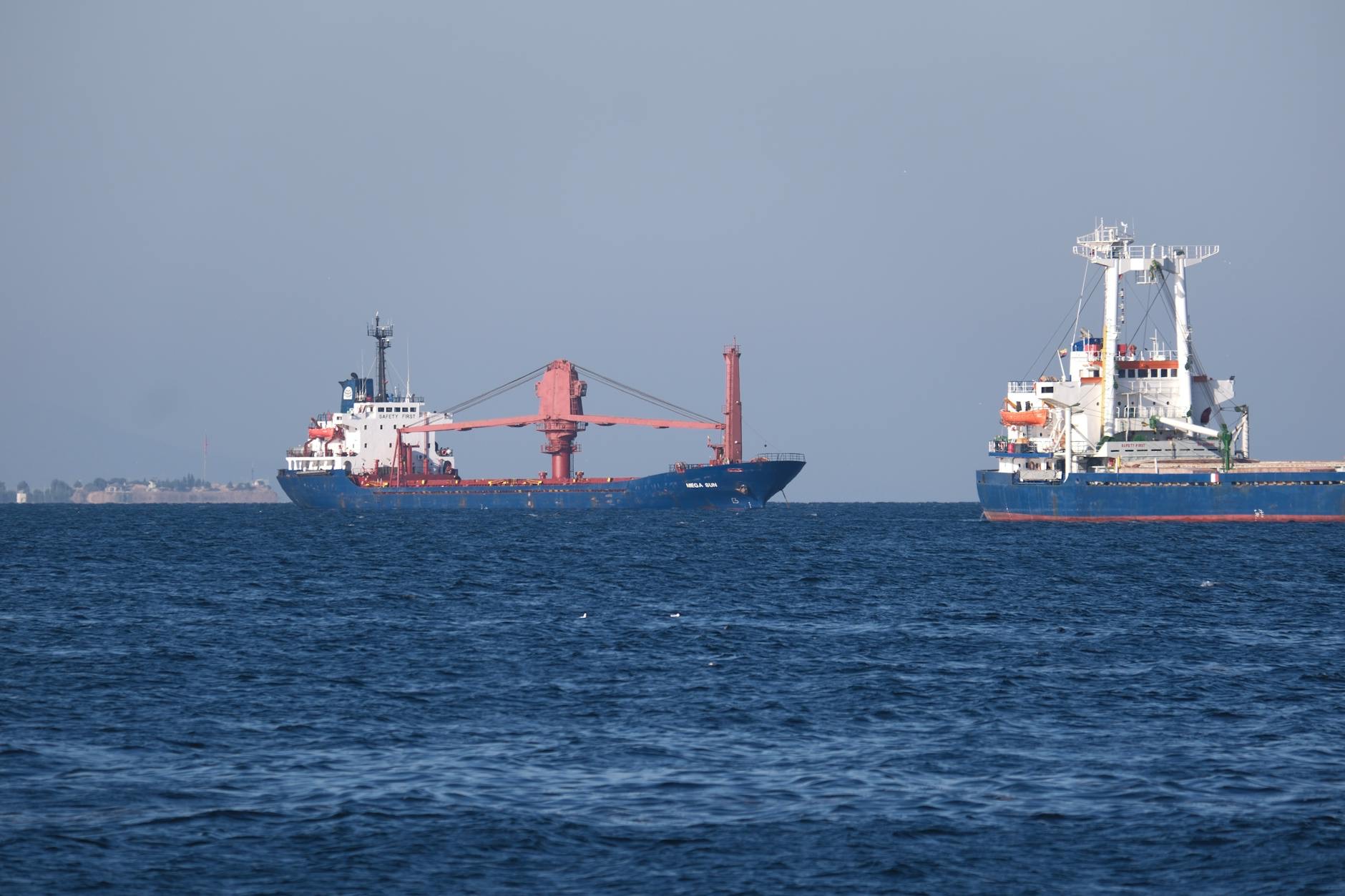
The shipping picture remains mixed and fragile. Reuters reported that three crude tankers exited the Strait of Hormuz last week with trackers switched off to avoid attack, showing that limited movement is possible but far from normal. AP reported that several attacks against ships in the Persian Gulf occurred over the past week and that a U.S. effort to guide ships through the strait was quickly paused. Those details point to a maritime environment where access exists only under exceptional risk.
The European dimension adds another layer. AP reported that Iran warned against a planned French-British effort intended to support maritime security in the strait after hostilities end. France has described the concept as an international mission to secure shipping once conditions allow, but Tehran has warned that foreign vessels cooperating with what it views as unlawful U.S. action would face an immediate response. That leaves U.S. allies weighing the need to protect commerce against the danger of expanding the confrontation.
Russia’s role also illustrates the lack of a clean outcome. AP reported that President Vladimir Putin said Moscow’s proposal to take enriched uranium from Iran as part of a settlement remains available. Such a plan could offer a diplomatic off-ramp, but it would also underscore that Washington may need outside mediation to secure an outcome after weeks of military and economic pressure. For U.S. policymakers, that would be a practical solution but not necessarily a political victory.
The unfinished nature of the conflict is what makes the “winner” question so difficult. The United States has inflicted costs but has not secured its terms. Iran has created leverage but at severe economic and military risk. Israel has helped push Iran’s nuclear program to the center of negotiations but still sees the core threat as unresolved. Gulf states have avoided broader war so far, but their trade routes and airspace remain exposed. Energy markets have gained a risk premium, while consumers and import-dependent economies pay the price.
The most plausible near-term outcome is not victory but containment: a temporary halt to fighting, limited shipping access, continued nuclear talks and unresolved disputes over sanctions, assets, uranium, regional militias and maritime authority. That would reduce immediate danger without answering the strategic questions that caused the war to expand.
In that sense, the latest U.S.-Iran breakdown suggests the conflict’s most important result is not a winner but a warning. A war fought over deterrence, nuclear risk and sea-lane control can produce tactical successes while leaving every participant with new exposure. Until the Strait of Hormuz is reliably open, the nuclear issue is addressed and regional actors accept a durable framework, the Iran war remains unfinished—and unfinished wars rarely produce clean victories.




Leave a Reply