
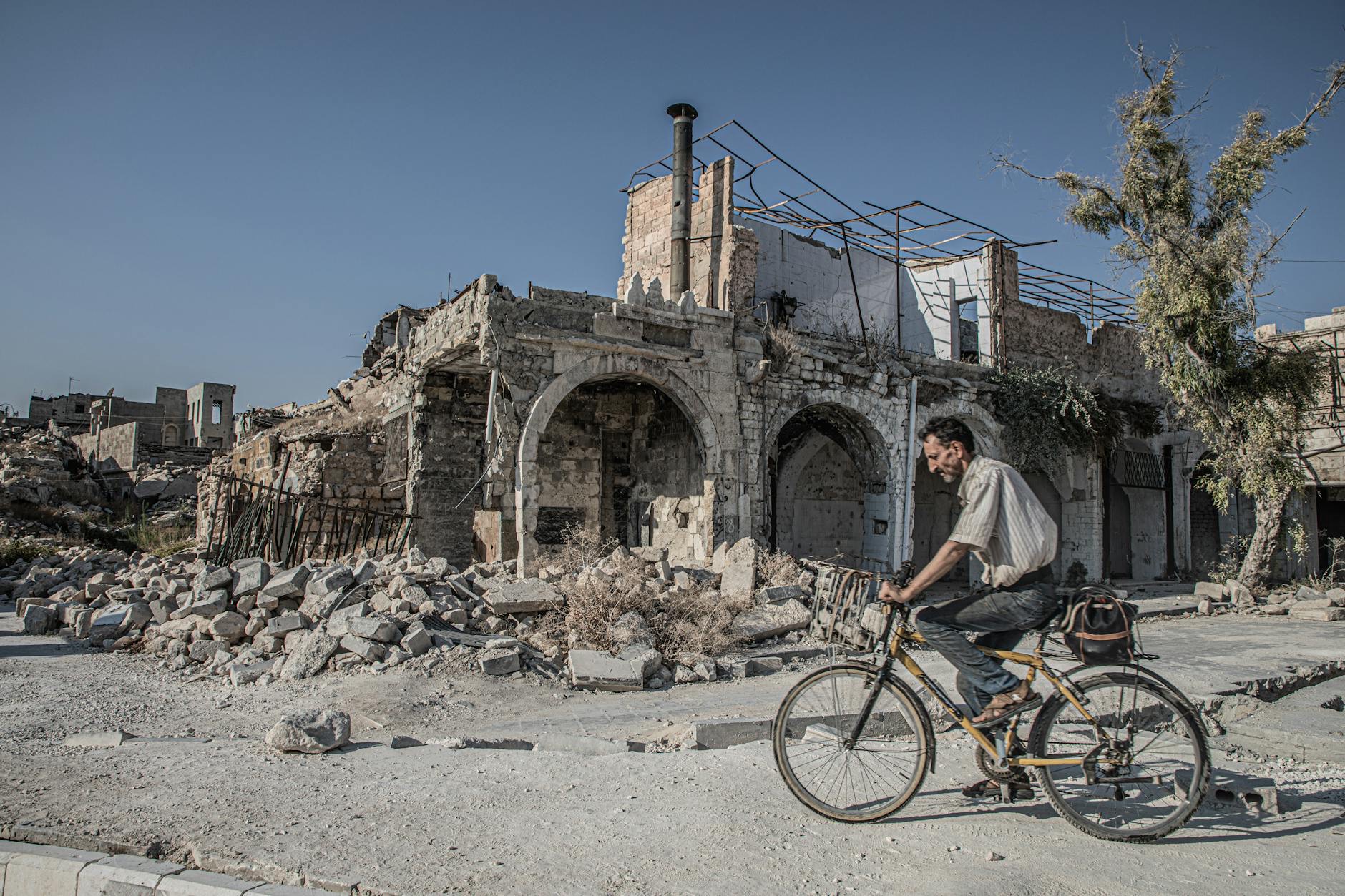
As U.S. and Israeli forces conduct coordinated strikes against key Iranian military sites, the international community is grappling with the potential fallout. Tehran has vowed retaliation, warning that any further escalation could trigger a broader regional conflict. Experts highlight that while the campaign aims to curtail Iran’s nuclear and missile programs, the strategic calculus is far from straightforward.
The timing of these operations coincides with ongoing negotiations in Vienna and indirect U.S.-Iran communications facilitated by European and Gulf intermediaries. Diplomatic channels are under significant strain, as each tactical move risks undermining fragile progress toward de-escalation. Analysts note that the U.S. faces a dual challenge: demonstrating military resolve while avoiding actions that would compromise the credibility of its diplomatic efforts.
Economically, the conflict has immediate implications for global energy markets. Brent crude and West Texas Intermediate futures have already responded to heightened risk premiums, reflecting concerns about potential disruptions to the Strait of Hormuz, a critical oil transit chokepoint. The inflationary impact of rising fuel costs could reverberate globally, compounding economic pressures on an already fragile post-pandemic recovery.
Domestically, U.S. policymakers are under pressure to justify military engagement to Congress and the public. Historical experience underscores that protracted interventions without clear objectives can erode political support. While the administration frames the strikes as defensive and preventive, opposition voices highlight the risks of entanglement and the potential for unintended consequences across multiple theaters.

Regional allies, particularly in the Gulf Cooperation Council, are closely monitoring developments. Countries like Saudi Arabia and the United Arab Emirates are caught between supporting U.S. strategic objectives and managing their own security concerns regarding Iran’s influence in Yemen, Iraq, and Syria. The delicate alignment of these partnerships is crucial, as unilateral or misaligned action could exacerbate tensions and provoke regional fragmentation.
Military experts caution that Iran retains asymmetric capabilities capable of striking U.S. bases, shipping lanes, and regional allies. The potential for proxy attacks by Iran-backed militias in Lebanon, Iraq, and Yemen represents a persistent threat that could escalate even if direct confrontation is limited. Cyber operations and information warfare further complicate the strategic environment, challenging conventional military assessments.
Looking forward, analysts suggest that a sustainable approach requires integrating military, economic, and diplomatic tools. Multilateral engagement with European partners, the United Nations, and regional stakeholders is essential to reinforce pressure on Tehran while maintaining channels for negotiation. Economic incentives and sanctions relief must be calibrated to complement security measures without signaling inconsistency or weakness.
For investors and businesses, the unfolding situation underscores the importance of risk management in sectors ranging from energy to defense contracting. Supply chains that traverse the region may face delays or increased insurance costs, while geopolitical uncertainty could influence market sentiment broadly. Financial institutions and multinational corporations are closely monitoring policy signals from Washington and Tel Aviv to adjust exposure accordingly.

Ultimately, the question remains whether the combination of targeted military actions and diplomatic engagement can produce a lasting peace framework. Historical precedent suggests that unilateral measures, even with strong allies, often yield temporary gains at best. Analysts advocate for a coherent strategy that emphasizes long-term containment, regional security architecture, and clear lines of communication with Iran to prevent escalation.
The U.S.-Israel campaign highlights the enduring challenge of balancing tactical military objectives with strategic foresight. Success will depend not only on immediate operational effectiveness but also on the capacity to sustain alliances, mitigate economic fallout, and provide credible pathways to negotiated stability. The coming weeks are likely to test the limits of U.S. influence in the region and the resilience of its diplomatic instruments.
As the conflict evolves, observers underscore that lasting peace will require more than military victories. Comprehensive planning that incorporates economic, political, and security dimensions is essential to prevent cycles of retaliation and to support a durable regional equilibrium. For policymakers, investors, and citizens alike, the price of miscalculation could be measured in human, economic, and geopolitical terms that extend well beyond the Middle East.




Leave a Reply