
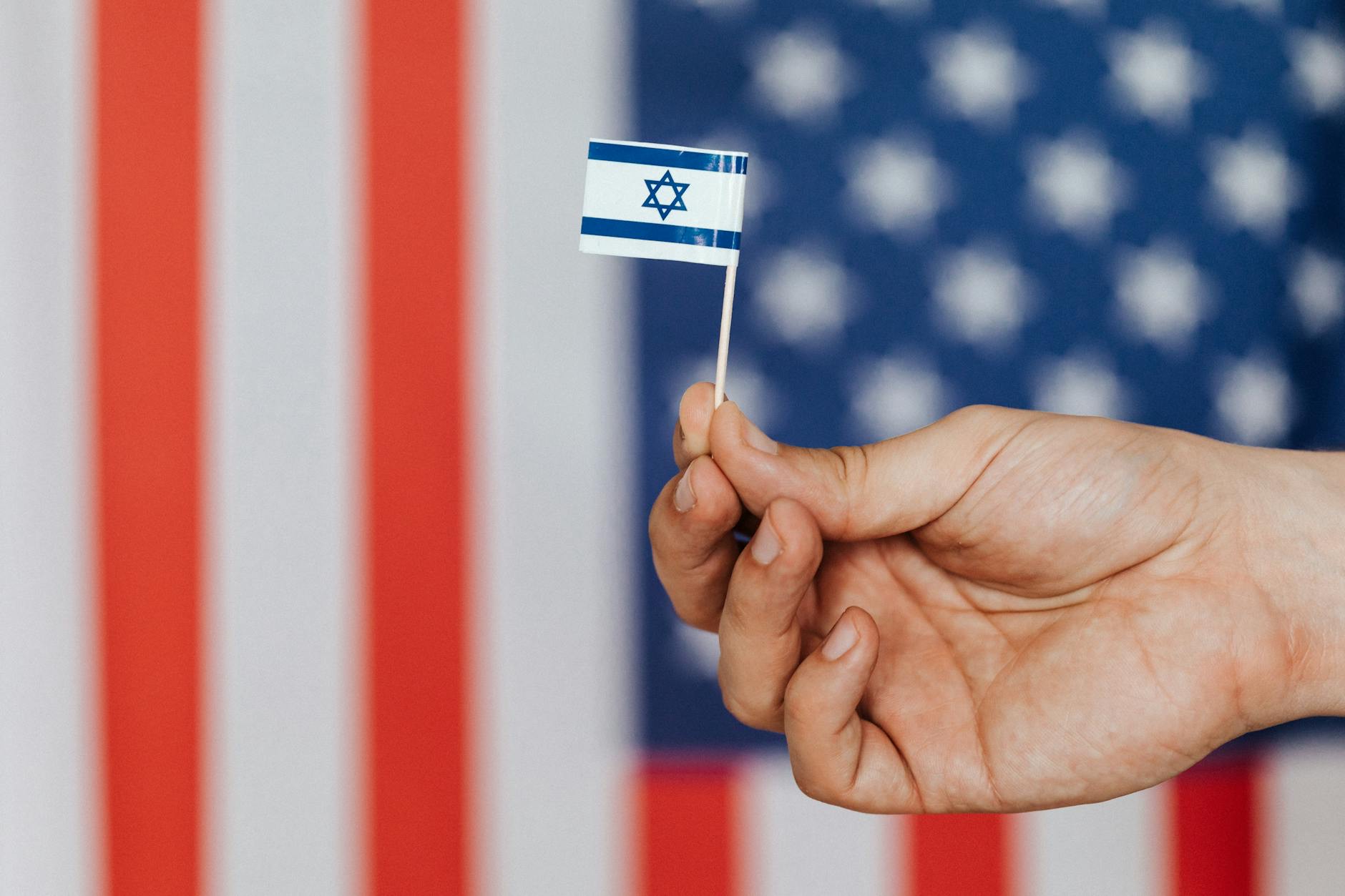
The United States is expected to host a fresh round of Israel-Lebanon peace talks later in May as the Biden administration intensifies efforts to stabilize one of the Middle East’s most sensitive security flashpoints. U.S. officials familiar with the diplomatic discussions said preparations are underway for meetings involving representatives from both countries, with Washington aiming to reduce the risk of renewed escalation along the Israel-Lebanon border.
The diplomatic initiative comes after months of continued instability near the frontier, where exchanges of fire and military operations have raised concerns among U.S. and European officials about the possibility of a broader regional conflict. While previous diplomatic channels between Israel and Lebanon have focused heavily on maritime boundaries and energy disputes, the upcoming talks are expected to place greater emphasis on border security arrangements and military de-escalation.
American officials have not publicly released the full agenda for the negotiations, but people familiar with the discussions said the talks are likely to address monitoring mechanisms, troop positioning concerns, communication protocols during security incidents, and the implementation of existing understandings intended to limit hostilities near the frontier.
The White House and State Department have continued to frame the effort as part of a broader U.S. strategy aimed at preventing regional conflicts from merging into a wider confrontation involving Iran-backed armed groups across the Middle East. The administration has remained engaged in parallel diplomatic efforts tied to Gaza, Red Sea shipping security, and broader Gulf stability concerns.
For Israel, the talks come amid ongoing pressure from political and military leaders who argue that security conditions along the northern border remain unstable despite periods of reduced violence. Israeli officials have repeatedly expressed concern about Hezbollah military infrastructure in southern Lebanon and have warned that unresolved tensions could trigger a larger confrontation if deterrence measures fail.
Lebanese officials, meanwhile, continue to face severe domestic political and economic challenges that complicate negotiations with Israel. Lebanon remains in the midst of a prolonged economic crisis, and the country’s fragmented political system has limited the government’s ability to consolidate authority over armed groups operating within its territory.
Hezbollah remains one of the central factors shaping the diplomatic environment. Although the organization is not formally part of negotiations between the Lebanese state and Israel, its military presence and influence over southern Lebanon continue to affect any discussion involving border security arrangements. The United States designates Hezbollah as a foreign terrorist organization, while the group maintains significant political influence inside Lebanon.

Diplomats and regional analysts say the latest talks are unlikely to produce a comprehensive peace agreement in the near term. Instead, expectations appear focused on achieving narrower confidence-building measures designed to lower the probability of sudden escalation.
Several U.S. officials have privately described the negotiations as an exercise in crisis management rather than a breakthrough diplomatic settlement. The immediate objective, according to regional observers, is to create enough communication and operational clarity to prevent localized incidents from rapidly escalating into broader military exchanges.
The talks also carry important implications for U.S. regional strategy. Washington has spent much of the past two years attempting to preserve stability across the eastern Mediterranean while maintaining military deterrence and diplomatic engagement simultaneously. American naval deployments and regional defense coordination have expanded as tensions involving Iran-aligned groups have increased across multiple theaters.
Energy security considerations are also playing a role in the negotiations. The eastern Mediterranean has become increasingly important for regional natural gas development, and prolonged instability between Israel and Lebanon could complicate investment and infrastructure planning tied to offshore energy projects.
U.S. officials have increasingly emphasized that diplomatic engagement remains necessary even when prospects for a major breakthrough appear limited. Analysts note that sustained dialogue can help establish communication channels that reduce the likelihood of accidental escalation during periods of military tension.
The negotiations are also being closely watched by European governments, many of which have expanded diplomatic involvement in Lebanon amid concerns about refugee flows, regional instability, and maritime security risks in the Mediterranean. France in particular has maintained active diplomatic contacts with Lebanese political factions and regional stakeholders.

Inside Washington, the talks are likely to be viewed as another test of the administration’s ability to manage overlapping international crises while balancing domestic political pressures and alliance commitments. The Middle East remains a politically sensitive issue in U.S. foreign policy debates, particularly as lawmakers continue scrutinizing military assistance, regional security cooperation, and humanitarian concerns connected to ongoing conflicts.
Military analysts caution that even limited progress in the talks could prove meaningful if it establishes more durable mechanisms for communication during periods of heightened tension. Border incidents involving artillery, drones, rockets, or surveillance activity have repeatedly demonstrated how quickly localized confrontations can escalate.
At the same time, the broader geopolitical environment remains highly volatile. Regional tensions involving Iran, Israeli military operations across multiple fronts, and continuing instability in neighboring Syria all contribute to a complex diplomatic landscape in which even modest agreements can become difficult to sustain.
American officials have continued emphasizing that diplomacy remains preferable to military escalation, particularly given the economic and security consequences that a wider regional conflict could produce. U.S. defense planners have repeatedly warned that expanded fighting across the Israel-Lebanon border could increase risks to American personnel and interests operating throughout the region.
Despite the challenges, diplomats involved in the process say maintaining direct engagement remains essential. Even temporary understandings or limited operational agreements could help lower immediate tensions while creating space for broader discussions later in the year.
The upcoming negotiations are expected to unfold under intense international scrutiny, with regional governments, investors, and security officials all watching closely for signs of either stabilization or renewed confrontation. Whether the talks produce concrete outcomes or only modest procedural progress, they are likely to remain a central component of U.S. diplomatic efforts in the Middle East throughout the coming months.




Leave a Reply