
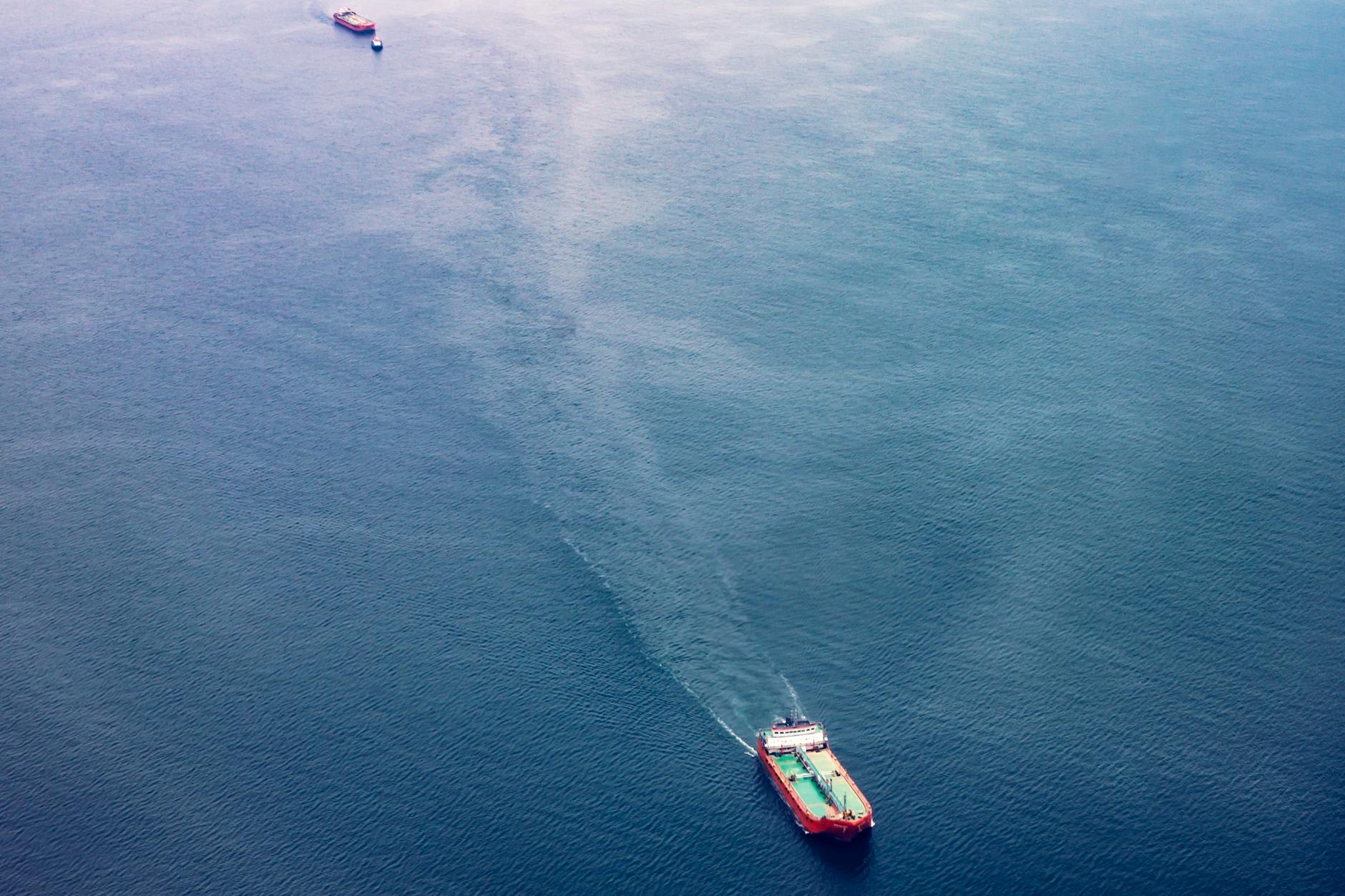
President Donald Trump said the United States could deploy naval resources to help guide commercial vessels through the Strait of Hormuz, signaling a potential operational response to recent disruptions while emphasizing that diplomatic talks with Iran are progressing positively.
Speaking about the situation in the Gulf, Trump indicated that U.S. naval forces stand ready to assist ships navigating the narrow passage, where heightened tensions and security concerns have raised risks for global shipping. “We will guide them,” Trump said, referring to vessels affected by the current situation, while adding that ongoing discussions with Iran have been “very positive.”
The Strait of Hormuz, located between Iran and Oman, is a critical artery for global energy supplies. According to widely cited energy data, about 20% of the world’s petroleum liquids consumption flows through the strait. Any threat to shipping in the area can trigger immediate volatility in oil prices and disrupt supply chains that affect industries worldwide, including in the United States.
Trump’s remarks come as reports emerge of ships facing delays or operational uncertainty in the region, though details remain limited. Shipping companies and insurers typically react quickly to perceived threats in Hormuz, often increasing premiums or rerouting vessels when risks escalate. The possibility of U.S. naval involvement could reassure markets but also introduces new geopolitical variables.
The U.S. Navy has a longstanding presence in the Persian Gulf, with the Fifth Fleet headquartered in Bahrain. In past periods of heightened tension, U.S. forces have escorted commercial vessels or conducted patrols aimed at ensuring freedom of navigation. Such operations are designed to deter interference but can also bring U.S. forces into closer proximity with Iranian naval units, increasing the risk of miscalculation.
Trump’s comments suggest that Washington is prepared to take action if necessary to maintain open shipping lanes, even as it pursues diplomatic engagement with Tehran. The president framed the situation as manageable, pointing to ongoing talks as a sign that tensions could be easing rather than escalating.

“We’re having very positive discussions,” Trump said, describing the diplomatic channel with Iran. While no formal agreement has been announced, the characterization marks a shift from earlier periods of confrontation and suggests that both sides may be exploring pathways to reduce friction in the region.
For U.S. policymakers, the dual approach of diplomacy and deterrence reflects a familiar strategy in dealing with Iran. Maintaining credible military options while pursuing negotiations has been a consistent feature of U.S. policy across administrations. The current situation in Hormuz illustrates how quickly maritime security concerns can intersect with broader geopolitical negotiations.
Energy markets reacted cautiously to the developments, with analysts noting that any confirmation of U.S. naval escorts could help stabilize shipping flows but might also signal that risks in the region remain elevated. Oil prices often respond not only to actual disruptions but also to perceived threats, making official statements from U.S. leaders closely watched by traders.
Industry observers say that shipping companies will likely weigh the benefits of naval guidance against the potential for increased tensions. In previous incidents, some operators have chosen to delay transit through Hormuz during periods of uncertainty, contributing to supply bottlenecks and higher transportation costs.
From a U.S. economic perspective, ensuring the free flow of energy supplies through Hormuz is a strategic priority. While domestic energy production has reduced reliance on imports, global oil prices still influence U.S. gasoline costs, inflation, and broader economic conditions. Any sustained disruption in the strait could have ripple effects across the U.S. economy.
The diplomatic dimension remains central to the situation. Trump’s emphasis on “very positive” talks suggests that Washington sees an opportunity to de-escalate tensions, even as it prepares contingency plans for maritime security. Details of the negotiations have not been publicly disclosed, and it remains unclear whether they involve formal agreements or informal confidence-building measures.
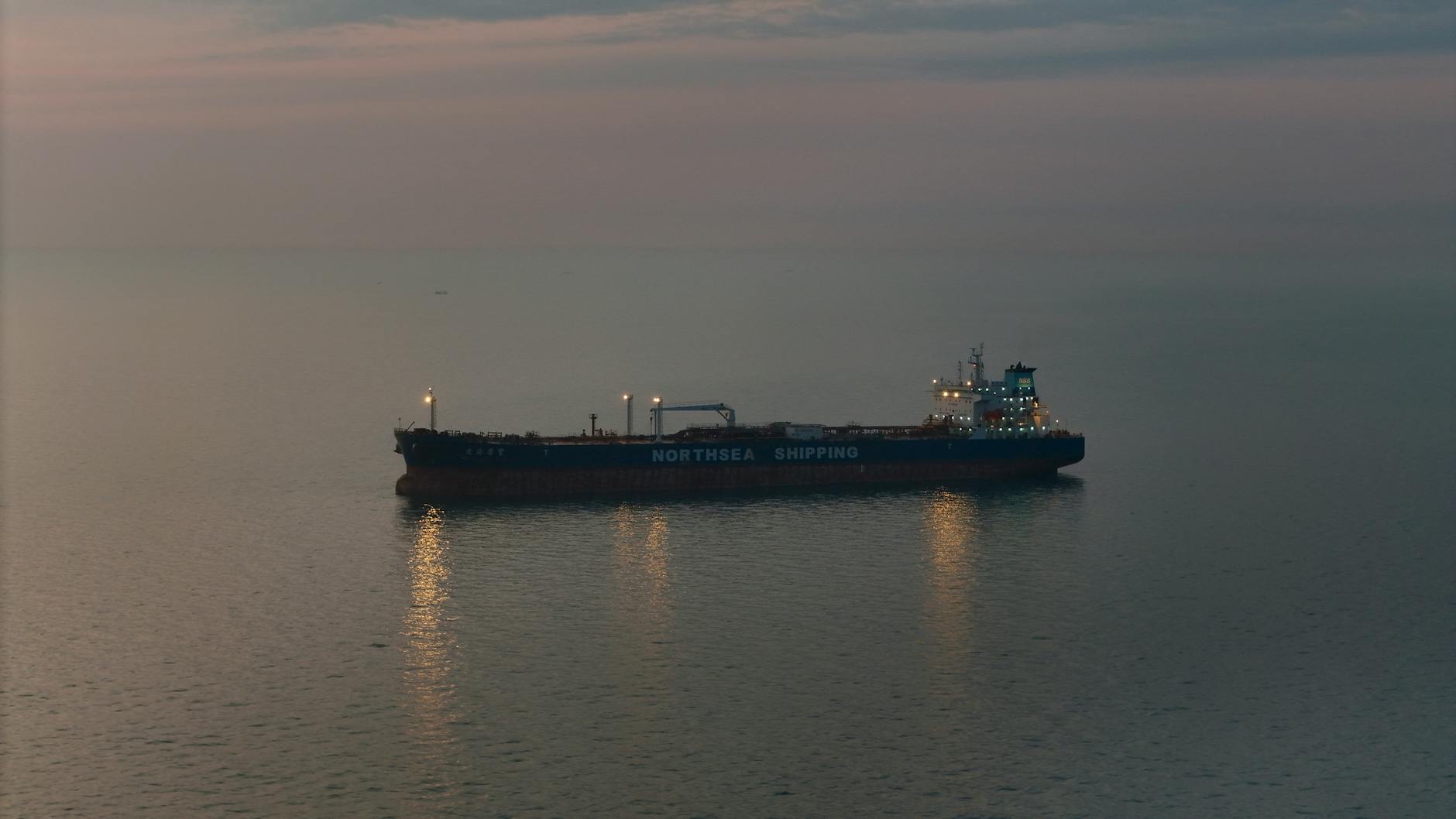
Regional actors are also closely monitoring the developments. Gulf states, many of which depend heavily on oil exports through Hormuz, have a strong interest in maintaining stability in the waterway. European and Asian economies, which rely on Middle Eastern energy supplies, are similarly affected by any disruptions.
Security experts caution that while naval escorts can provide short-term reassurance, they do not address underlying political tensions. Sustained stability in Hormuz ultimately depends on broader diplomatic arrangements that reduce the likelihood of confrontation between the United States and Iran.
At the same time, the presence of U.S. naval forces can act as a deterrent against potential interference with commercial shipping. The balance between deterrence and diplomacy will likely shape the next phase of developments, particularly if talks with Iran continue to show progress.
The situation remains fluid, with markets, policymakers, and shipping operators watching for concrete actions following Trump’s remarks. Whether the United States proceeds with naval guidance operations—and how Iran responds—will be key factors in determining the trajectory of tensions in one of the world’s most strategically important waterways.
For now, Trump’s comments highlight a moment of cautious optimism, paired with a readiness to act. The coming days may provide greater clarity on whether diplomacy can deliver a lasting reduction in tensions or whether additional measures will be required to secure the flow of global ??????? through the Strait of Hormuz.




Leave a Reply