
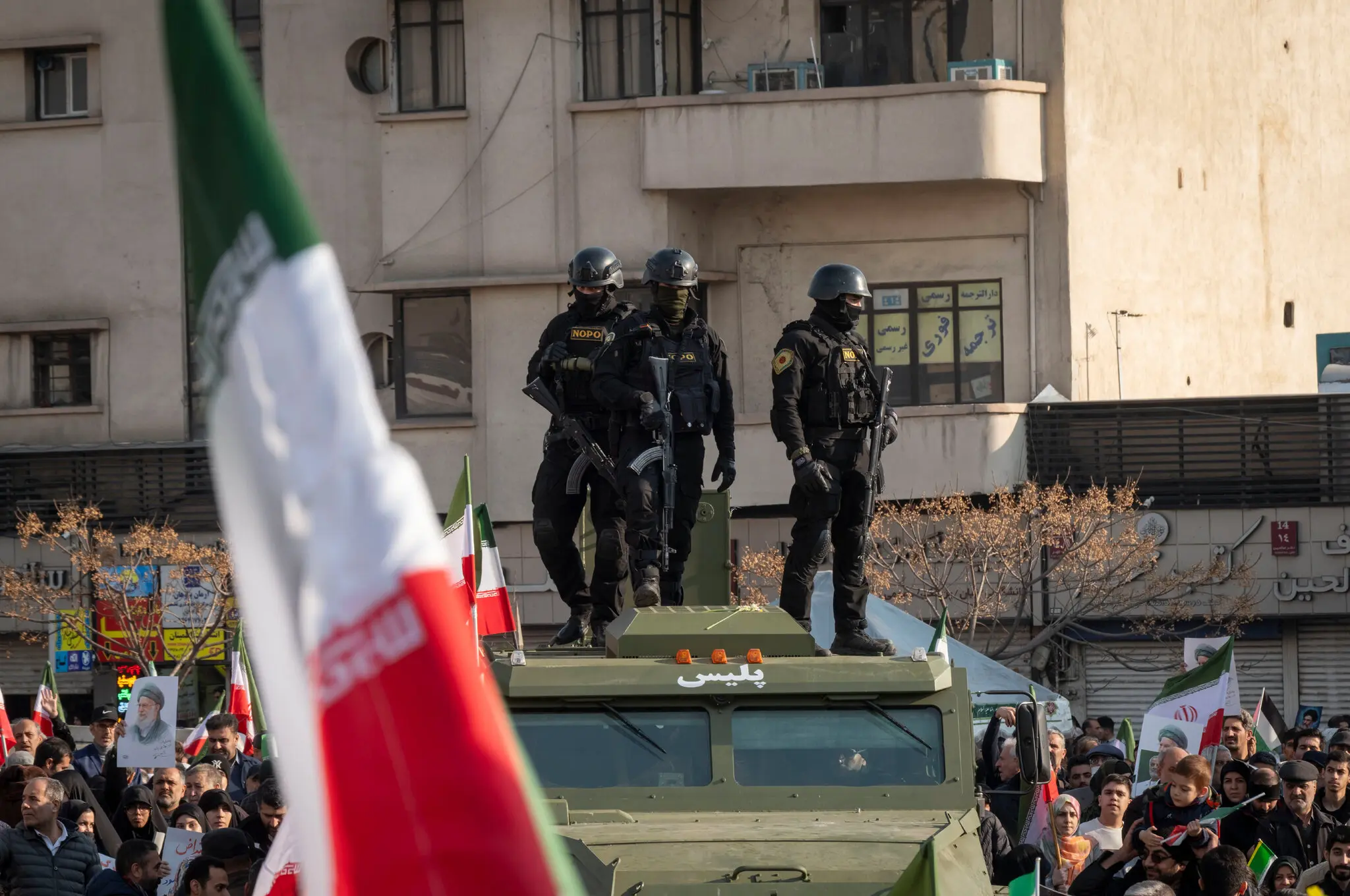
Protests in Iran have largely been brought to an end under the weight of an uncompromising security crackdown, but the consequences of that suppression are still unfolding.
In the weeks since demonstrations were crushed, authorities have launched a broad campaign of retaliation. Medical workers who treated injured protesters have been detained, well-known businesses have been shut down, and independent or critical media outlets have been silenced. These measures appear aimed at eliminating any possibility of renewed dissent.
Even families mourning relatives killed during the unrest have faced restrictions. In some cases, they have been instructed not to cry publicly during funerals.
Human rights organizations estimate that as many as 40,000 people have been arrested since the protests began. Many detainees have been accused of participating in riots or supporting terrorism, and a significant number have appeared on state television giving confessions that rights advocates believe were coerced.
Observers say the scale of repression is unprecedented in the history of the Islamic Republic.
Mahmood Amiry-Moghaddam, director of the Oslo-based Iran Human Rights organization, described the government’s approach as collective punishment designed to instill fear across an entire generation.
Analysts suggest that the harsh response reflects the deep insecurity of Iran’s ruling clerical establishment. Beyond domestic unrest, leaders are also confronting a worsening economic crisis and ongoing tensions with the United States, including the possibility of military confrontation.
Omid Memarian, a senior analyst at the Washington-based organization DAWN, said the government’s actions signal a determination to hold onto power at any cost.
Iranian officials have acknowledged that roughly 3,000 people died during the crackdown, though independent groups believe the true number is significantly higher.
Even after the protests subsided, arrests have continued, particularly targeting medical professionals who treated demonstrators in private homes to avoid government scrutiny. Several doctors interviewed anonymously reported that colleagues had been detained, and at least one physician remains missing.
Some of those doctors said they had been repeatedly summoned for questioning by security officials.
Prominent business figures have also been caught up in the crackdown. Among them is Mohammed Saedinia, the owner of a popular nationwide coffee chain known for introducing Western-style drinks and café culture to Iranian consumers.
His cafés joined a nationwide strike in solidarity with protesters in early January. Shortly afterward, authorities sealed all his outlets and ordered them closed for two months. Saedinia, along with his son and a store manager, was arrested.
Judicial officials later confirmed his detention, stating that he had supported unrest and warning that his assets could be seized to compensate for damages.

For many Iranians, the shutdown of his business symbolized a broader campaign against cultural spaces seen as incompatible with the government’s ideology.
The judiciary has also moved against artists, athletes, and public figures who expressed sympathy for protesters. Prosecutors announced legal proceedings against several high-profile individuals who signed a statement supporting demonstrators.
At the same time, reformist voices within the system have been silenced. The newspaper Ham Mihan, one of the few outlets that covered the protests extensively, was shut down in January. Its editor later argued that Iran’s leadership has become increasingly disconnected from reality and incapable of addressing the country’s crises.
Authorities have also closely monitored and restricted funerals for those killed during demonstrations. One man, identified only as Abbas, said his family was forced to sign documents pledging silence and instructed not to openly grieve during memorial services.
Despite the repression, signs of resistance remain. Analysts warn that while protests may have paused, public anger has not disappeared.
Recently, a group of civil society leaders, filmmakers, and human rights advocates released a statement accusing Iran’s supreme leader of overseeing crimes against humanity. Several signatories were promptly arrested.

Students at dozens of medical and nursing schools across the country staged boycotts and sit-ins to protest both the deaths of classmates and the detention of healthcare workers.
Even mourners have found new ways to express defiance. Videos circulating online show families turning funerals into acts of symbolic resistance, playing music, dancing, and celebrating the lives of the deceased rather than mourning quietly.
In one widely shared clip, relatives are seen singing a folk song that reflects both grief and rebellion.
The message underlying these acts is clear: while the state may have suppressed the streets, the spirit of dissent has not been extinguished.




Leave a Reply