
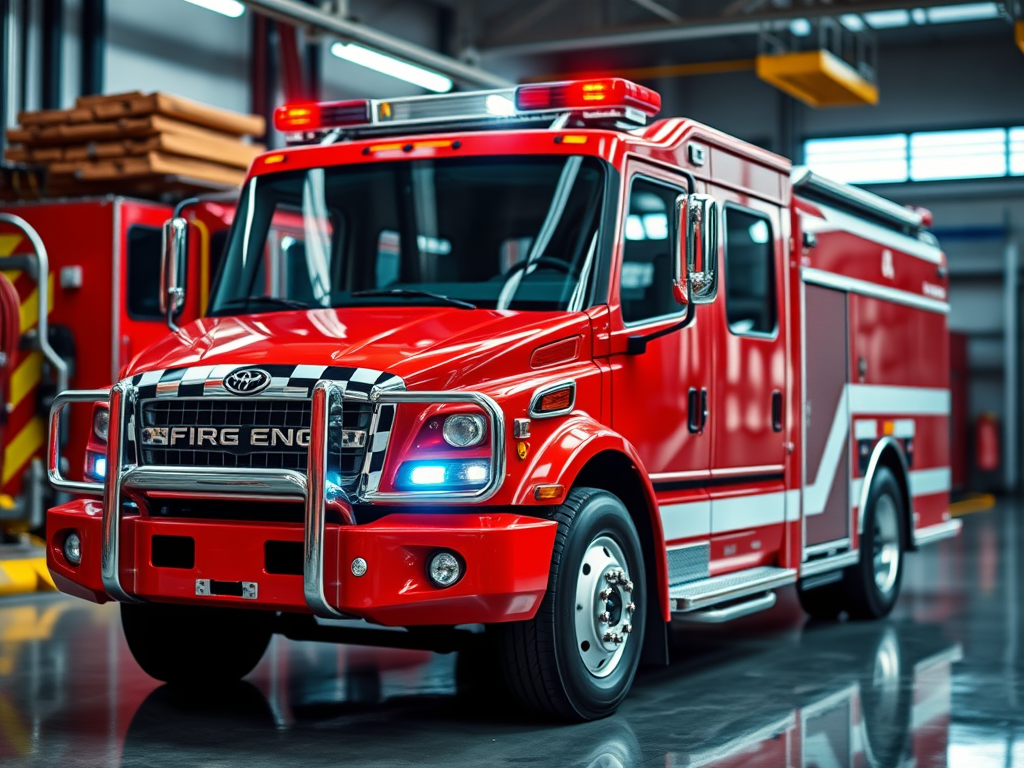

Senators Investigate Private Equity Role in Soaring Fire-Truck Costs

Across the United States, fire departments are grappling with soaring costs and prolonged delivery times for new firefighting vehicles. In response, two U.S. Senators—Elizabeth Warren, a Democrat from Massachusetts, and Jim Banks, a Republican from Indiana—have launched an inquiry into how these delays and price hikes may be impacting public safety, particularly in light of private equity’s growing influence in the emergency vehicle manufacturing sector.
In a joint letter addressed to the International Association of Fire Fighters, Senators Warren and Banks detailed growing concerns that private equity firms are prioritizing profits over the safety of American communities. They cited testimony from dozens of fire departments across the country reporting not only excessive price increases but also significant delays in receiving new trucks and problems with parts quality. The senators wrote that they were worried about “private equity padding shareholders’ wallets at the expense of public safety,” and they emphasized their desire to gather more information and hold those responsible accountable.

One of the focal points of their investigation is a company called Rev Group, which has become a dominant force in the fire truck manufacturing space. Over the last 20 years, American Industrial Partners, a private equity firm, acquired several specialized vehicle manufacturers—including companies that produce fire engines—and consolidated them into the Rev Group. This strategy of acquisition and integration was intended to increase efficiency and profits, and company executives have been open about their goal to significantly boost profit margins. To that end, Rev Group has shuttered two manufacturing facilities, a move they say is part of an effort to streamline operations.
However, this consolidation and focus on profitability may have come at a cost. A recent report by The New York Times revealed that fire truck prices have surged dramatically in recent years, while the time it takes for departments to receive new vehicles has also grown. According to the report, Rev Group is currently facing a backlog of orders totaling $4 billion, underscoring the scale of the demand and the strain on the supply chain.
Industry leaders have largely attributed these delays and cost increases to the fallout from the COVID-19 pandemic, citing global supply chain disruptions and labor shortages. While that explanation holds some merit, many fire chiefs and city officials suspect there’s more to the story. They argue that the growing consolidation of the firefighting equipment market—driven by private equity—is partly to blame for the ongoing issues.
One of those speaking out is Sue Finkam, the mayor of Carmel, Indiana. Mayor Finkam first approached Senator Banks after witnessing firsthand how rapidly the cost of new fire trucks was climbing, and how the estimated delivery timelines kept stretching. She noted that in 2024 alone, the price of a new pumper truck had increased by approximately 10 percent over the previous year. Meanwhile, the wait time for a specialized tiller truck—a large fire engine with a separate steering wheel at the rear—has now exceeded four years.
Finkam explained that her city is experiencing significant growth, which necessitates the construction of additional fire stations to serve new neighborhoods. However, she expressed frustration that the city may be able to buy land, complete architectural plans, construct a new station, hire staff, and fully train them—all before a fire truck ordered today would even arrive. Now that the peak of the pandemic has passed, she hopes the senators’ efforts will lead to clarity and action.
“It’s ultimately going to be the taxpayers who bear the burden of these cost increases and delays,” Finkam said.
In Los Angeles, the city fire department was already grappling with an aging fleet of vehicles even before the recent devastating wildfires that destroyed entire communities. According to union representatives, the department had dozens of fire trucks out of service at one point. With the cost of replacement vehicles continuing to rise, the department has been forced to scale back on the number of new trucks it can afford to purchase.
Senator Warren emphasized that the letter sent to the firefighters’ union is merely the first step in a broader investigation. She expressed her desire for Congress to conduct a more comprehensive inquiry and called on the Trump administration to play a role in addressing the issue.

“When we fail to support our firefighters, we’re making it more difficult for them to support the communities they serve,” Warren said during an interview.
Antitrust attorney Basel Musharbash, who has independently studied the fire truck industry, said the consolidation trend poses serious questions about market fairness and public safety. While his research supports the idea that private-equity-driven mergers and acquisitions have contributed to the sector’s current woes, he also noted that this trend is not unique to firefighting equipment.
“What we’re seeing in this case is a symptom of a larger issue,” Musharbash explained. “Private equity is increasingly taking over various industries, consolidating companies, and prioritizing financial returns over quality and service. Fire departments are just one of many public institutions that are now dealing with the fallout.”
Indeed, the private equity model often involves purchasing companies, cutting costs to boost short-term profitability, and then selling them at a higher valuation. While this may benefit investors, it can result in reduced capacity, limited innovation, and strained supply chains—especially when applied to essential public services like emergency response.
The senators’ investigation aims to uncover whether this business model is negatively affecting the ability of fire departments to protect lives and property. If so, the implications could extend well beyond fire trucks, serving as a warning about the unchecked growth of private equity in sectors that directly affect public welfare.
As fire departments continue to wait years for critical equipment and watch costs climb to unprecedented levels, the pressure is mounting on lawmakers to act. The hope is that increased scrutiny will lead to reforms—both regulatory and economic—that prioritize the safety of communities and the effectiveness of public services over the financial interests of shareholders.
For now, cities across the nation remain in a difficult position: caught between the need to expand and modernize their fire fleets, and the reality of a system increasingly driven by profit margins rather than public good. The senators’ efforts may not provide immediate relief, but they represent a necessary step toward understanding and ultimately resolving a complex issue at the intersection of finance, governance, and public safety.




Leave a Reply