
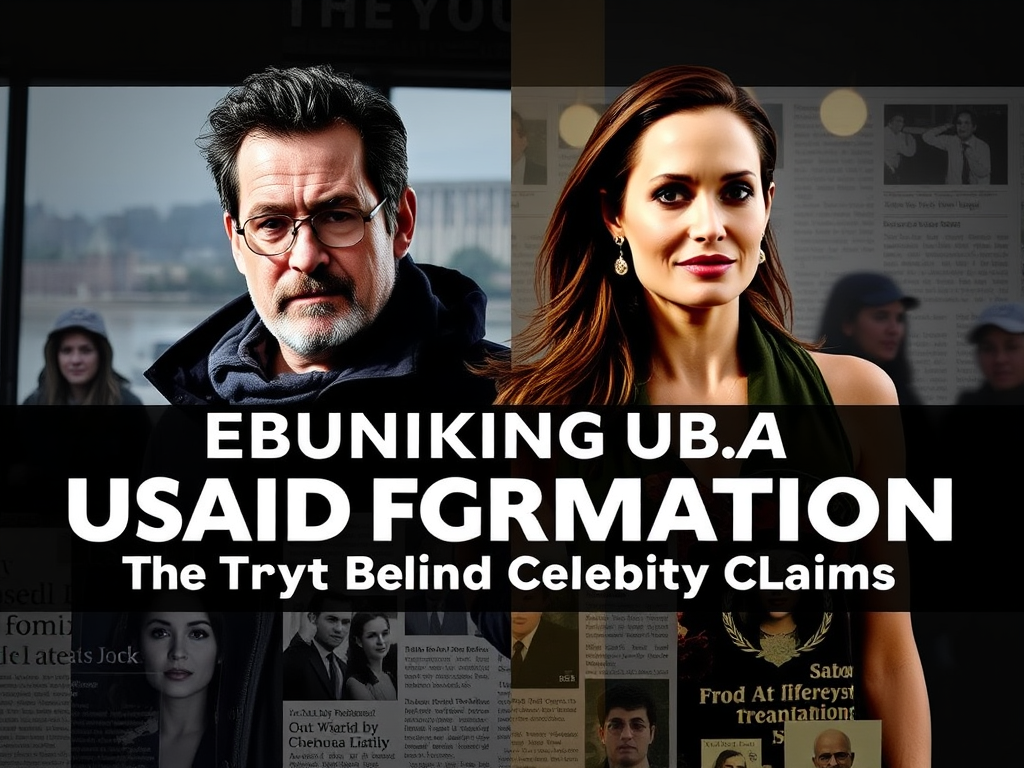

Falsehoods Fuel the Right-Wing Crusade Against U.S.A.I.D.

A misleading video falsely claiming that the United States Agency for International Development (USAID) paid Ben Stiller, Angelina Jolie, and other actors millions of dollars to visit Ukraine circulated online. The clip appeared to be from E! News, yet it was never actually aired on the entertainment network.https://svtoday.org/
The video first emerged on X, shared by an account that researchers have identified as a source of Russian disinformation. Within hours, it caught the attention of Elon Musk, who reposted it, along with former President Trump’s son, Donald Trump Jr.
By amplifying the fabricated video, Musk further advanced his push to dismantle USAID, the government agency responsible for distributing foreign aid since 1961. With Trump’s endorsement as part of a broader government efficiency initiative, Musk and key figures in the administration took control of USAID’s headquarters, froze grant distributions, and informed employees that nearly all of them would be laid off.
This effort to dismantle USAID has been accompanied by an online wave of outrage from right-wing influencers and accounts spreading conspiracy theories and false claims.
While foreign aid has long been a subject of political debate, critics of USAID have frequently distorted facts, often embracing misinformation—whether knowingly or not—to justify their attacks on the agency.
Musk himself has used his platform, which he acquired in 2022, as a megaphone for cutting down federal bureaucracy. On Sunday, he went so far as to call USAID “a criminal organization” without providing any explanation for his accusation.
“He’s taking advantage of widespread ignorance about government operations, and there’s virtually no oversight on what he’s doing,” said Mike Rothschild, a disinformation expert and author of Jewish Space Lasers, a book about conspiracy theories. “This is all extremely dangerous, and it’s happening right in front of us.”
The barrage of attacks also highlighted the growing alignment between certain Republican narratives and Kremlin propaganda, particularly on Musk’s platform. According to Clemson University’s Media Forensics Hub, the false video about celebrities was part of an influence campaign responsible for numerous similar fabrications about Russia’s war in Ukraine.
“Russian anti-Ukraine propaganda has deeply infiltrated certain communities on X,” said Darren L. Linvill, a researcher at Clemson, who traced the spread of the fake video from its original post on X through a network of accounts known for distributing Russian disinformation.
“Given how much time Musk spends on X,” Dr. Linvill added, “it was probably inevitable that some fabricated Russian narrative would catch his attention—this one, in particular, seemed tailor-made to do just that.”
Neither Musk nor Donald Trump Jr. immediately responded to requests for comment.
X also did not provide an immediate response regarding the spread of misinformation about USAID, though it has since added a disclaimer to posts sharing the video, clarifying that the content is not real.
Much of the controversy online has centered on USAID’s various grants, which have been publicly documented for years.
One viral claim, for example, originated from an X account with over half a million followers, alleging that the Washington-based news outlet Politico had received more than $8 million from USAID.
In reality, Politico had received only about $44,000 from USAID over two years for subscriptions to its premium environmental and energy publications. The claim likely stemmed from a misinterpretation of government records, which showed that multiple federal agencies, including the Department of Energy, had collectively spent over $8 million on Politico subscriptions.
Nevertheless, the misleading claim spread rapidly across social media, further amplified by influencers and politicians with even larger followings.
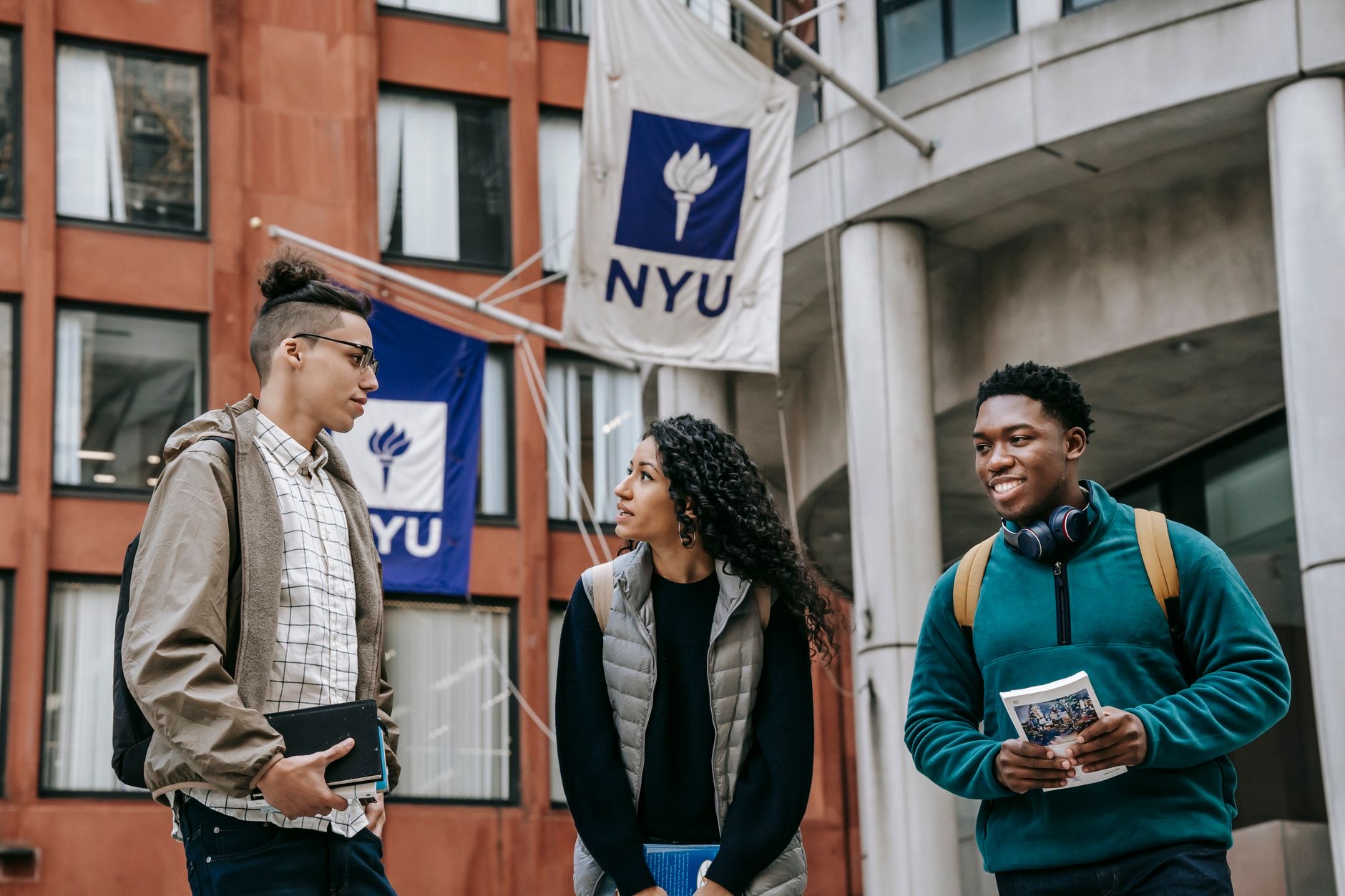
This, in turn, sparked additional misinformation about USAID allegedly funding the BBC and The New York Times. (In truth, the agency provided funding to an independent charity that shares a name with the BBC, while the claim about The New York Times was based on a misreading of government records, which actually referenced grants to unrelated but similarly named organizations, such as New York University. A statement from The Times clarified that the payments it received were for subscriptions, while government records also showed that some revenue came from advertising. In an internal memo, Politico’s leadership reaffirmed that the publication had “never been a beneficiary of government programs or subsidies.”)
Despite these clarifications, the facts failed to reach a wide audience online. Meanwhile, the misinformation was rapidly amplified by prominent podcasters, politicians, and Trump allies within hours.

Leave a Reply