

On Thursday, state prosecutors made it clear they are pressing ahead with criminal cases involving Donald J. Trump and his associates, focused on their alleged interference in the 2020 election.

In Wisconsin, three of Trump’s former advisers, who face multiple felony charges, appeared before a judge for the first time. In Nevada, state Attorney General Aaron D. Ford filed new charges to revive a case against six Republicans who acted as fake electors for Trump in 2020, despite his loss in the state. Meanwhile, in Georgia, Fani T. Willis, the district attorney for Fulton County, rejected an attempt by Congressional Republicans to subpoena documents related to her prosecution of Trump and his allies. In a letter to Representative Jim Jordan, the Republican chairman of the House Judiciary Committee, Willis called the committee’s actions “an unconstitutional perversion of congressional oversight authority.”https://wordpress.com/
In Wisconsin, the three defendants, including Kenneth Chesebro, Michael Roman, and James R. Troupis, are expected to plead not guilty to 11 felony charges. Chesebro, a Wisconsin native, is accused of masterminding a plan to deploy fake electors in swing states that Trump lost in 2020. Roman, a former Trump campaign adviser, helped execute the scheme, while Troupis, a Wisconsin lawyer, circulated the fake elector plan within the Trump campaign. This effort to falsely claim that Trump won battleground states led to criminal charges in multiple states, including Wisconsin, Arizona, Georgia, Michigan, and Nevada.
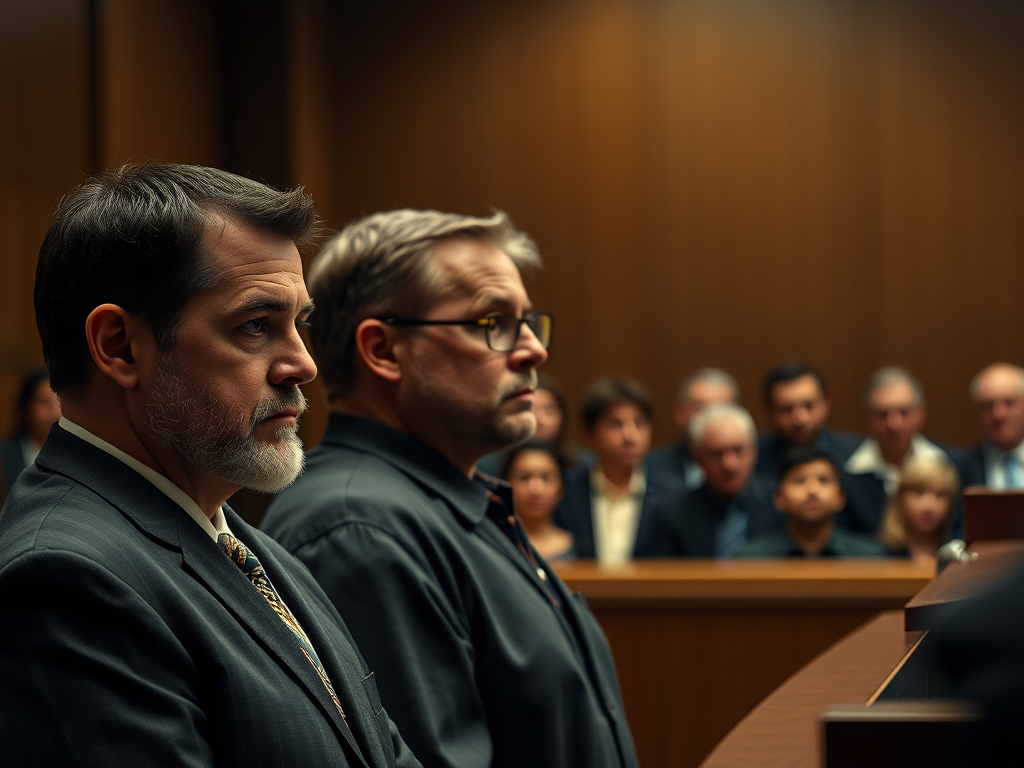
The hearing took place in a Wisconsin courtroom with about 30 observers, many of whom appeared to support the defendants. Circuit court commissioner Mark R. Fremgen set bond terms, including a ban on contact with the 10 individuals who served as fake electors in Wisconsin. All three defendants, through their lawyers, agreed to these terms.
Georgia is the only state to charge Trump directly, though legal experts do not expect him to stand trial while in office. Several of his current and former advisers, however, are more likely to face trial, including the three Wisconsin defendants. Michigan and Arizona have also filed charges.
Trump continues to falsely claim victory in the 2020 election, and his incoming administration has been asking prospective jobholders about their views on the outcome. But false narratives about the election continue to crumble. Dinesh D’Souza, a Trump ally and filmmaker of 2000 Mules, a conspiracy-driven film about the election, recently admitted the film’s findings were based on flawed analysis. D’Souza is now facing a lawsuit over the film’s claims.
The prosecutors handling these state criminal cases are all Democrats and are determined to pursue them, citing a substantial body of public evidence. Nevada had previously filed charges, but they were dismissed by a Clark County judge who ruled the case had been filed in the wrong jurisdiction. Mr. Ford’s office has appealed this decision and filed new charges in Carson City to keep the case alive.
Ford, in a recent interview, said, “For every person who calls this a witch hunt, there are two or three others who disagree.” He emphasized, “I don’t make prosecutorial decisions based on political opinions, but on justice. And justice requires that these prosecutions continue.”
In Wisconsin, the three defendants were originally charged in June with a single count of forgery-uttering, carrying a potential sentence of up to six years in prison and a $10,000 fine. In a new filing on Tuesday, Wisconsin Attorney General Josh Kaul added 10 more forgery-related charges, claiming the 10 Wisconsin residents who were recruited as fake electors were deceived into signing fraudulent election certificates.
Chesebro had pleaded guilty in Georgia to a felony conspiracy charge last year and was sentenced to five years of probation, agreeing to cooperate. However, his lawyer, Manny Arora, believes he will achieve a favorable outcome in Wisconsin and has recently filed to vacate his client’s guilty plea in Georgia, following the dismissal of similar charges against other defendants.
Other criminal cases against Trump have faltered. The Justice Department dropped two cases against him after he won the election last month, citing its policy against prosecuting sitting presidents. Trump was convicted earlier this year of 34 felonies in a Manhattan case related to falsifying business records, but sentencing has been postponed, and prosecutors have indicated they may freeze the case for the duration of his potential new term.
Trump’s legal team and the other defendants are using various strategies to have these state election-related charges dismissed, including invoking the Constitution’s Supremacy Clause, which prioritizes federal law over state law. Trump’s lawyer in Georgia, Steve Sadow, recently argued that the Supremacy Clause prevents state prosecutors from taking action against a sitting president.
After the Thursday hearing, Troupis spoke to reporters, dismissing the charges as politically motivated “lawfare.”
Prosecutors have consistently argued that the fake elector plan was part of a broader conspiracy to block the certification of the election results after recounts and legal challenges had failed. Several of the 2020 fake electors have been tapped again for 2024, including six from Michigan. Trials in Arizona and other states are scheduled for 2026 and beyond.
Among the most prominent defendants are Trump’s former aides, including Rudolph Giuliani, his personal lawyer, and Mark Meadows, his former White House chief of staff.




Leave a Reply