
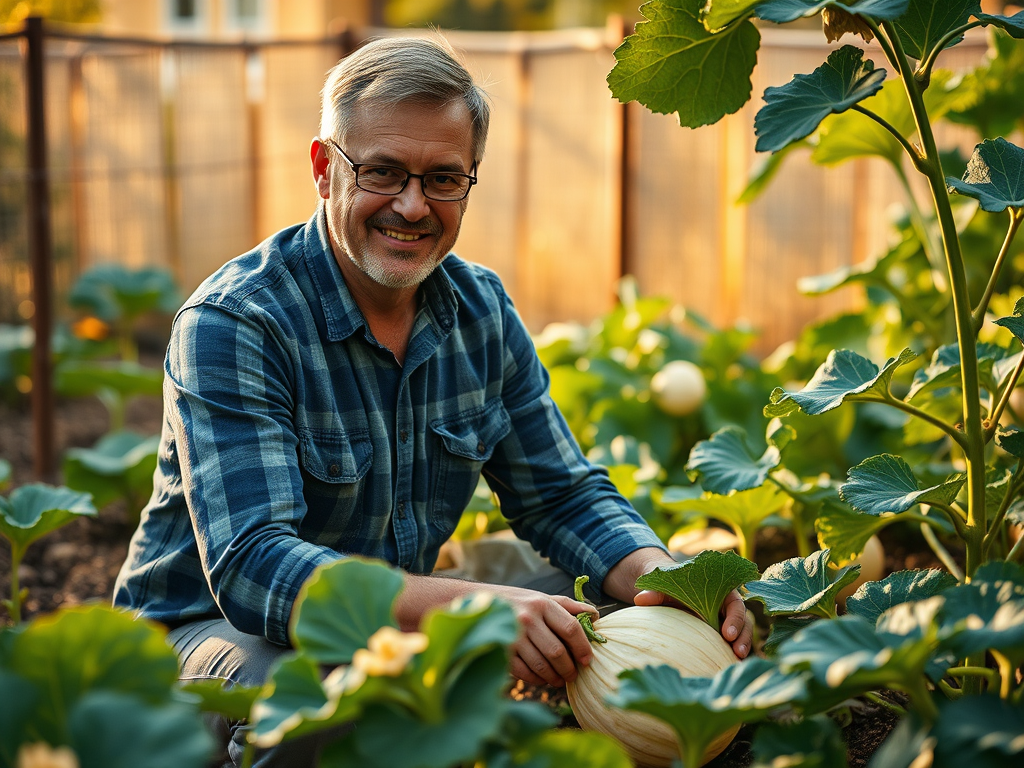

Colin O’Banion, a physical therapist living in Boulder, Colorado, is a nature enthusiast who enjoys shopping at farmers markets, cultivating organic squash in his garden, and once thought he could never support Donald J. Trump. However, his perspective shifted during the pandemic, when he and his wife were ostracized for refusing the Covid-19 vaccine for themselves and their three children. As he began exploring alternative health podcasts, O’Banion grew convinced that the country’s public health system was deeply flawed. He found a sense of hope in the upheaval promised by Robert F. Kennedy Jr., who was aligning with Trump.
“That’s what changed my mind,” said O’Banion, now 49, still surprised that he voted for Trump, who is now the president-elect. “We’re facing an epidemic of metabolic diseases like diabetes and obesity. With all this wealth, how is it that we’re the most unhealthy nation?”
Health experts and scientists have raised alarms about Trump’s plan to hand over the nation’s health agencies to figures like Kennedy and Dr. Mehmet Oz, both of whom have spread vaccine misinformation and vowed to dismantle government bodies regulating food and medicine. Yet for people like O’Banion, rejecting the mainstream system is precisely the point.
Since the pandemic, public trust in scientists and medical professionals has diminished. Many voters, inspired by Kennedy’s promise to “Make America Healthy Again” as the head of the Department of Health and Human Services, feel he has given voice to their frustrations with the system—from vaccine policies and Covid restrictions to hospital care and health insurance.
“I see him as someone who understands the situation and is trying to help,” said Savannah Fisher, 36, from St. Augustine, Florida, who turned to alternative treatments for chronic pain after feeling dismissed by conventional doctors.
Even before the pandemic, Americans were facing worsening health outcomes and overwhelming medical debt. “A large portion of the population is in a health crisis and feels like the system is failing them,” said Dr. Ashish Jha, former Covid response coordinator under President Biden. “They’re more open to voices that say, ‘The system is corrupt, and we need to tear it all down.’”

Surveys from Pew Research Center show that nearly 80% of Americans still trust scientists to act in the public interest, far higher than trust in politicians or the media. However, many have lost their connection with primary care physicians, with social media influencers—often without formal medical training—stepping in to fill the void.
A CBS poll found that 47% of voters supported Robert F. Kennedy Jr.’s nomination to lead the Department of Health and Human Services, while 34% opposed it. Both Kennedy and Dr. Oz, Trump’s nominee for the Centers for Medicare and Medicaid Services, are subject to Senate approval.
Kennedy’s supporters come from diverse political backgrounds, including small-government conservatives who opposed Covid lockdowns and liberals critical of drug companies and industrial agriculture. Even Colorado’s Democratic Governor Jared Polis praised Kennedy’s nomination before clarifying that he disagreed with Kennedy’s stance on vaccines, following pushback from public health experts.
In interviews with voters supportive of Trump’s “MAHA” agenda, many—some of whom have voted Democrat in the past—expressed admiration for Kennedy’s critiques of healthcare and his promotion of alternative remedies.
In Austin, Texas, Michelle High, 54, began questioning conventional medicine after being told by an oncologist there was nothing more to be done for her colon cancer. She began working with a naturopath and made dietary changes alongside her treatment at MD Anderson Cancer Center in Houston. Over time, she became convinced that the medical system was ignoring the link between the American food system and chronic diseases. Despite government research into this connection, she felt it wasn’t enough.
“Our government just says, ‘Nope,’” she said. “That’s where all the conspiracy theories start—when you feel like you’re being lied to and gaslit.”

High trusts her doctors but no longer discusses her alternative treatments with them. “They just make you feel small,” she added.
In suburban Atlanta, lifelong Democrat Melinda Hicks, 55, voted for Trump after Kennedy’s endorsement. Having seen her father suffer through ineffective treatments for colon cancer, she turned to alternative medicine. She had long hoped the Democratic Party would address broader health issues, but instead kept voting for them out of party loyalty. That changed after Kennedy’s critique of the current system.
“How can you look around at how sick people are and not think, ‘We’ve got a real problem here?’” she asked.
Hicks and her family spend thousands annually on alternative treatments not covered by insurance, which they rarely use. She hopes Kennedy could push for insurance coverage of a wider range of services.
What remains unclear is whether Kennedy, a former Democrat and environmental attorney, will follow through on his promises to target processed foods, seed oils, food additives, and corporate farming, while pursuing deregulation under a second Trump administration. Trump’s first term saw relaxed nutrition standards for school lunches and the approval of many products containing pesticides.
Public health officials worry that Trump’s agenda could harm Americans, particularly if scientists are removed from federal agencies and health decisions are left to political appointees who disregard expert advice. Some researchers also argue that Kennedy’s focus on toxins and food ignores the primary concern of most Americans: the high cost of healthcare.

“Obesity, better food—those things don’t come up in health care polls,” said Mollyann Brodie, executive director of KFF’s Public Opinion and Survey Research Program.
While Kennedy’s advocacy for healthy eating and exercise isn’t new—health experts and bipartisan administrations have promoted these ideas for decades—some are skeptical of his proposals, like replacing weight-loss drugs with three daily organic meals.
“He has some valid points,” said Julie Conklin, 67, of Healdsburg, California. “But then he bases things on what I would consider junk science.”
Some Democratic voters are more concerned about the potential repeal of the Affordable Care Act by Republicans than about Kennedy’s promotion of raw milk or opposition to water fluoridation.
Myron Randles, 62, a building materials supervisor in Riverside, California, believes there are two tiers in American healthcare: one for the ultra-wealthy and one for everyone else. He expressed distrust in both Trump and Dr. Oz, dismissing Oz as a TV personality and Trump as unqualified to lead health policy decisions.
“I don’t have faith,” Randles said. “I need a doctor who will actually prescribe things that work.”
In New Jersey, Cindy James, 59, a former corporate lawyer turned spiritual counselor, believes Kennedy’s rise represents a “cumulative breaking point” for Americans’ willingness to accept public health guidelines. She recalled being shamed for refusing the Covid vaccination and feels vindicated with Trump’s return to the White House.
“People across the country are waking up,” James said, “especially about what we put in our bodies, what we breathe, and what’s in our water.”




Leave a Reply