
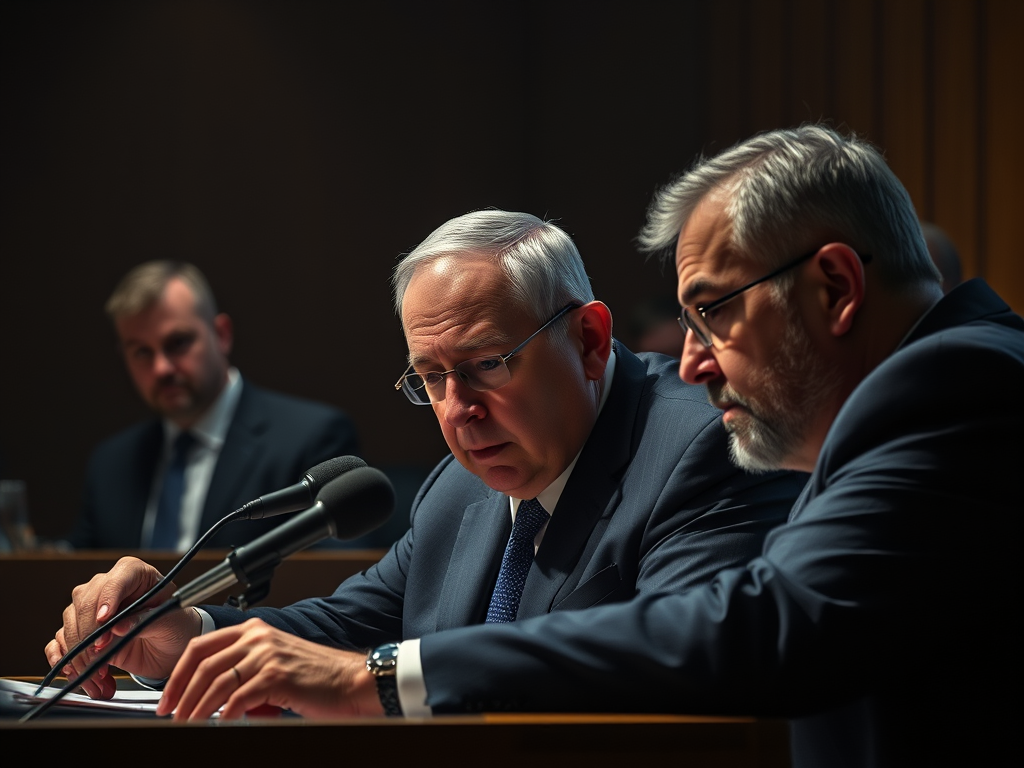

On Thursday, Israeli prosecutors charged one of Prime Minister Benjamin Netanyahu’s aides, Eliezer Feldstein, with leaking classified information about Hamas, potentially endangering national security. This marks another legal controversy involving Netanyahu’s administration.
Feldstein, a media adviser in the prime minister’s office, was accused of deliberately obtaining and illegally sharing a confidential document with the German newspaper Bild. Prosecutors allege that this was an attempt to influence Israeli public opinion on ongoing cease-fire negotiations and efforts to secure the release of approximately 100 hostages held by Hamas. According to the indictment, the leak jeopardized Israel’s intelligence capabilities and the safety of individuals, particularly during wartime.
Families of the hostages criticized Netanyahu, accusing him of prioritizing his government’s stability over negotiating their loved ones’ release. While Netanyahu has asserted his commitment to securing their freedom, he used the leaked document to claim that pressure on his government aligns with Hamas’s objectives.
Feldstein and a military officer who allegedly provided him with the document were arrested on October 27. Prosecutors revealed that the document detailed Hamas’s strategy to use psychological tactics to pressure Israel into concessions. Feldstein reportedly leaked the information to reshape public discourse after the murder of six hostages, which had sparked widespread protests in Israel.
The indictment outlines that Feldstein, with help from other advisers, facilitated the leak to foreign media outlets, bypassing Israeli censorship. Excerpts of the document were published by Bild. It remains unclear whether Netanyahu was aware of the leak beforehand.
Netanyahu, already facing three separate corruption trials, has denied all accusations against himself and his aides. He criticized prosecutors for targeting Feldstein while allegedly ignoring leaks from his detractors. In a speech to Parliament, Netanyahu questioned the selective focus of investigations, suggesting a politically motivated crackdown.
After Bild published the leaked information, Feldstein encouraged Israeli media to amplify the report, relying on the practice of attributing censored local news to international outlets. Prosecutors claim Feldstein also instructed the military officer to delete their communications regarding the leak.ocument was published in Bild, Mr. Feldstein urged local Israeli news outlets to pick up the report. Traditionally, Israeli outlets have been allowed to publish some news censored at home as long as they attribute it to the international press.
“Take your time; the boss is happy,” Mr. Urich wrote to Mr. Feldstein at the time, prosecutors said.
Mr. Feldstein subsequently ordered the military officer who had leaked him the document to erase their correspondence on messaging apps, according to the indictment.




Leave a Reply