
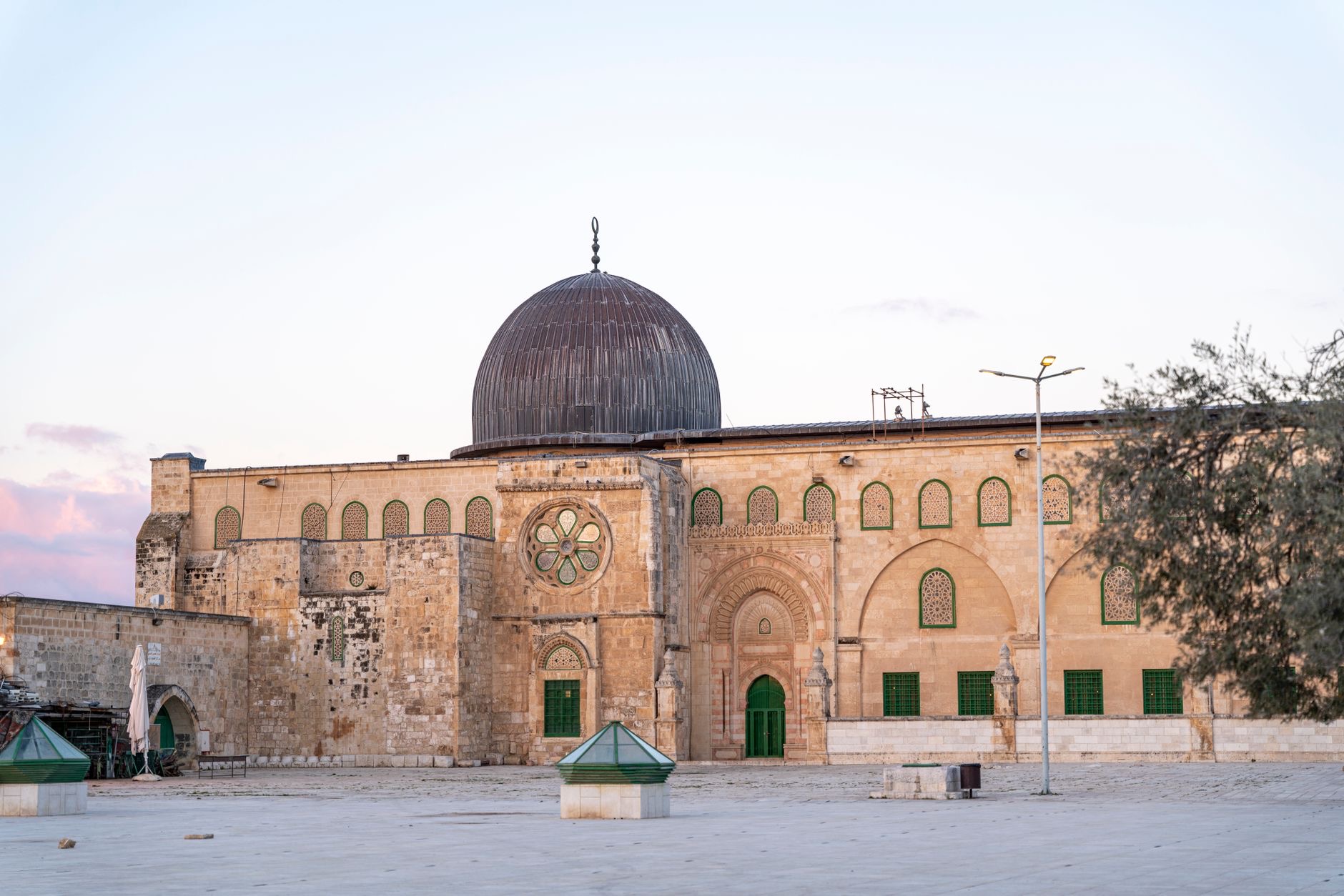
JERUSALEM — Colombia’s decision to establish its embassy in Jerusalem is reshaping diplomatic relations between Latin America and the Middle East, with Israeli officials welcoming the move as a milestone and Palestinian authorities criticizing its implications for the disputed city’s status. The diplomatic shift gained further momentum on October 16, when Colombian Foreign Minister Omar Bula Escobar concluded his visit to Israel with a meeting with President Isaac Herzog, following the embassy’s October 14 inauguration and renewed discussion of regional peace prospects.
The embassy opening represents one of the most consequential foreign-policy decisions of Colombian President Abelardo de la Espriella’s administration since he took office in August. It reverses the confrontational approach toward Israel adopted by former President Gustavo Petro, who severed diplomatic relations in May 2024 over Israel’s military campaign in the Gaza Strip.
Colombian Foreign Minister Omar Bula Escobar and Israeli Foreign Minister Gideon Sa’ar participated in Wednesday’s inauguration. According to Israel’s Ministry of Foreign Affairs, the ceremony included the unveiling of the embassy’s official sign and a traditional Jewish dedication ritual. Sa’ar welcomed the decision, describing Colombia as the tenth country to establish an embassy in Jerusalem and emphasizing its significance for Israel’s international recognition.
Colombia’s Foreign Ministry characterized the inauguration as a concrete demonstration of renewed diplomatic confidence. Bula said the mission would support stronger political dialogue and practical cooperation between the governments. Ambassador Tania Gilinski Bacal, appointed earlier in October, is expected to play a central role in expanding bilateral engagement, including commercial relations and cooperation in security and technology.
The diplomatic initiative continued through Friday. In an October 16 statement, Colombia’s embassy in Israel confirmed that Bula had met Herzog to conclude a four-day visit. The Colombian government said both sides reaffirmed their commitment to strengthening political and diplomatic relations while pursuing cooperation in defense, commerce, investment, artificial intelligence, agriculture, water management and technology transfer. The statement described the meeting as part of a broader effort to turn restored diplomatic ties into practical results.
The embassy opening followed a relatively rapid normalization process. Colombia and Israel formally restored diplomatic relations on August 11, 2026, after de la Espriella assumed office. The two governments subsequently moved to reestablish ambassadorial representation, facilitate tourist travel through reciprocal visa exemptions and revive institutional cooperation that had been disrupted during the diplomatic rupture.
Colombia and Israel established diplomatic relations in 1957 and developed significant ties in defense and security. Israeli-made military equipment has long been part of Colombia’s arsenal, including rifles and combat aircraft. These connections gave the countries a longstanding strategic relationship even as political disagreements over the Israeli-Palestinian conflict created periodic tensions.

Under Petro, Colombia became one of Israel’s most prominent critics in Latin America. The former president accused Israel of committing genocide during its military operations in Gaza, allegations Israel rejected. His administration also proposed establishing a Colombian diplomatic mission in Ramallah, in the occupied West Bank, although the planned embassy did not open. De la Espriella’s decision to restore relations and move Colombia’s embassy to Jerusalem represents a fundamental change in that diplomatic posture.
The shift has particular relevance for Washington. In December 2017, during his first administration, President Donald Trump recognized Jerusalem as Israel’s capital. The United States subsequently relocated its embassy from Tel Aviv to Jerusalem in May 2018. The decision departed from the longstanding American approach of leaving the city’s final diplomatic status to negotiations between Israelis and Palestinians.
Colombia’s move places its new government alongside the United States and a relatively small number of other countries that maintain diplomatic missions in Jerusalem. It also reinforces the growing alignment between Washington, Israel and Colombia’s current leadership. De la Espriella has received political support from Trump, and his administration has emphasized closer international partnerships on security and economic development.
However, the embassy’s location remains controversial because Jerusalem is central to competing Israeli and Palestinian national claims. Israel considers the entire city its capital, while Palestinians seek East Jerusalem as the capital of a future independent state. Israel captured East Jerusalem during the 1967 Middle East war and subsequently annexed it, a move that has not received broad international recognition. Most countries continue to maintain their embassies to Israel in Tel Aviv or its surrounding area.
Palestinian authorities condemned Colombia’s decision. According to AFP, the Palestinian Foreign Ministry said the opening violated relevant international resolutions and undermined international consensus on Jerusalem’s legal status. Jordan also criticized the move. The objections illustrate why even a bilateral diplomatic initiative can generate wider tensions when it involves one of the most sensitive unresolved questions in the Israeli-Palestinian conflict.
The embassy development coincided with renewed attention to Israeli President Isaac Herzog’s statements about the possibility of regional peace. In its October 15 news broadcast, TV7 Israel News reported that Herzog expressed hopes for peace with Lebanon, Syria and the Palestinians. The broadcaster presented those remarks as a separate development alongside the Colombian embassy opening, rather than as an outcome of the inauguration itself.
Herzog’s reported comments reflect the importance of regional diplomacy at a time when Israel’s relations with neighboring countries remain affected by longstanding security disputes, competing territorial claims and the consequences of recent conflicts. Peace agreements or comprehensive political settlements involving Lebanon, Syria and the Palestinians would require extensive negotiations addressing security, sovereignty and other unresolved issues. Statements of diplomatic aspiration alone do not establish that such agreements are imminent.
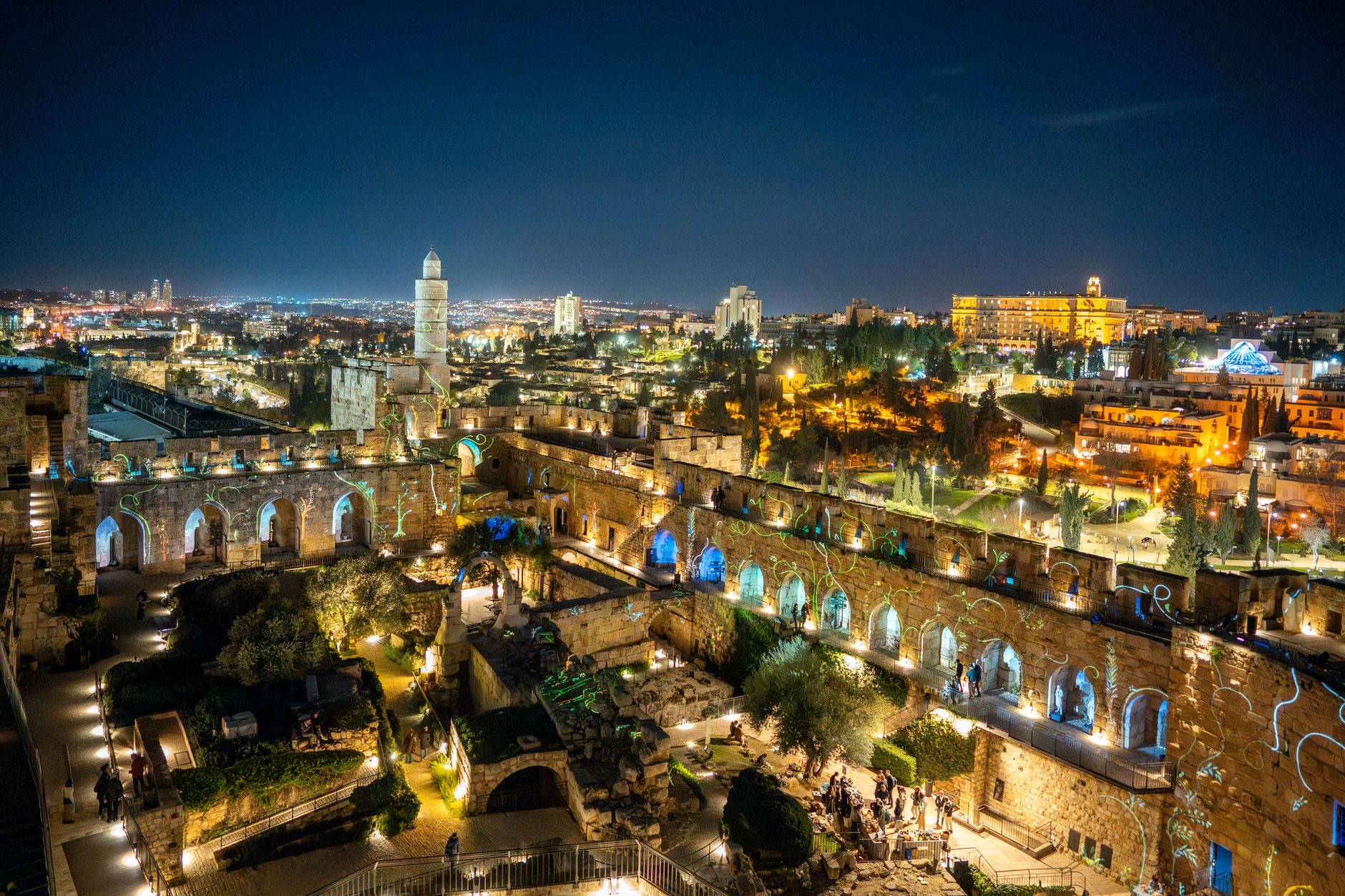
For the United States, the broader regional context matters because Washington remains a major security partner of Israel and an influential participant in Middle East diplomacy. Developments involving Lebanon, Syria and the Palestinians can affect American military planning, regional diplomatic initiatives and relationships with Arab governments. Colombia’s decision does not itself resolve these disputes, but it illustrates how international recognition of Jerusalem can intersect with wider U.S. diplomatic priorities.
Economic cooperation is another significant dimension of Colombia’s diplomatic reversal. The Colombian government has identified security, innovation, digital transformation, trade and investment as priorities for the restored relationship. Its foreign ministry has also highlighted opportunities in artificial intelligence, cybersecurity, agriculture and the development of advanced technologies. These areas are relevant to American businesses, particularly technology companies in Silicon Valley that operate across international cybersecurity, software and agricultural innovation markets.
Still, the potential for expanded cooperation should be distinguished from confirmed economic outcomes. The inauguration and subsequent meetings established political commitments and renewed channels for engagement, but the official announcements did not quantify new investment flows or establish that specific technology contracts had been completed. Future commercial results will depend on agreements between public institutions, companies and investors in the two countries.
The new embassy also offers Colombia a diplomatic platform for serving its nationals in Israel and coordinating government-level engagement. Colombian officials have emphasized consular support alongside political representation and economic cooperation. The reopening of formal diplomatic channels may improve the governments’ ability to address issues involving travelers, citizens and bilateral communication.
For Israel, the opening is a symbolic diplomatic achievement at a time when its international relationships remain deeply affected by the Gaza conflict and disputes over Palestinian statehood. For Colombia, it is a visible declaration that the government intends to restore a close partnership with Israel while pursuing a different foreign-policy direction from its predecessor.
The next measure of the relationship will be whether the diplomatic opening produces sustained cooperation in security, trade and technology. Herzog’s regional peace aspirations add a broader geopolitical dimension, but the unresolved status of Jerusalem and Palestinian opposition underscore the limits of diplomatic symbolism. Colombia’s embassy decision strengthens one bilateral partnership while highlighting disagreements that continue to shape the wider Middle East and U.S. foreign policy.




Leave a Reply