
Iran is tying any renewed negotiations with the United States to concessions on military operations, frozen assets and maritime restrictions, creating a potential diplomatic opening even as both sides signal preparations for further escalation. The emerging standoff places Washington between competing options — additional military action, intensified economic pressure or another attempt at a negotiated settlement — as world leaders gather in New York for the United Nations General Assembly.
Amwaj.media reported on Sept. 21 that Tehran says a resumption of talks depends on the Trump administration meeting seven conditions. Citing a senior Iranian political source, the outlet described the conditions as new elements in Iran’s effort to end the conflict. Iran has not publicly detailed all seven in the reporting reviewed.
Mohsen Rezaee, secretary of Iran’s Supreme National Security Council, has publicly referred to several demands, according to Amwaj. They include the release of frozen Iranian assets, an end to fighting on all fronts, non-interference in Iran’s internal affairs, an end to attacks on Iranian territory and the lifting of the U.S. naval blockade. Tehran says Qatar has transmitted its terms to Washington.
The diplomatic messaging follows months of conflict that began with U.S. and Israeli strikes on Iran on Feb. 28. Despite periods of reduced direct fighting and repeated mediation efforts, the two sides have not reached an enduring agreement on the Strait of Hormuz or broader negotiations over Iran’s nuclear program and regional security issues.
The immediate backdrop has become more volatile. Iran’s Islamic Revolutionary Guard Corps warned on Monday that a new U.S. escalation would lead Tehran to change the weapons, tactics and targets it employs. According to the Associated Press, IRGC spokesman Hossein Mohebbi said Iran could also expand the geographic scope of the conflict and had prepared for a prolonged confrontation.
Those statements are claims and warnings from Iranian officials rather than evidence that a new offensive has been ordered. But they underscore the risks facing U.S. military installations, regional allies and commercial shipping if direct fighting accelerates again. U.S. embassies across several Middle Eastern countries have issued security alerts urging Americans to remain vigilant amid the potential for rapid escalation, CBS News reported.

Trump has also kept multiple options publicly in play. CBS News reported that the president said he was in “deciding mode” regarding Iran and was considering choices ranging from additional military action and economic pressure to reaching a deal. He also indicated that he would probably be open to meeting Iranian President Masoud Pezeshkian while both leaders are in New York for the U.N. General Assembly.
There is no confirmed agreement for such a meeting. The possibility nevertheless adds another diplomatic channel at a moment when Qatar and Pakistan are working to facilitate communication. Pakistan’s interior minister, Mohsin Naqvi, arrived in Tehran on Monday for meetings with Iranian officials. Pakistani and Iranian officials characterized the trip primarily as bilateral engagement, although Pakistan has previously served as an intermediary between Washington and Tehran.
The Strait of Hormuz remains one of the most important points of dispute. Iranian officials have linked reopening or normalizing passage through the waterway to U.S. compliance with Tehran’s conditions. Parliament Speaker Mohammad Bagher Ghalibaf said Iran’s messages had been communicated through mediators and argued that a return to previous navigation arrangements would not be possible until Iranian conditions and what Tehran describes as U.S. commitments were satisfied.
Washington and Tehran have presented sharply different narratives over responsibility for disruption in the strait. U.S. authorities have accused Iran of threatening commercial shipping, while Iranian officials have portrayed American naval activity as a blockade. Commercial traffic has resumed to a degree but remains affected by the conflict, and any renewed military exchange around the waterway could again influence oil supplies, insurance costs and shipping patterns.
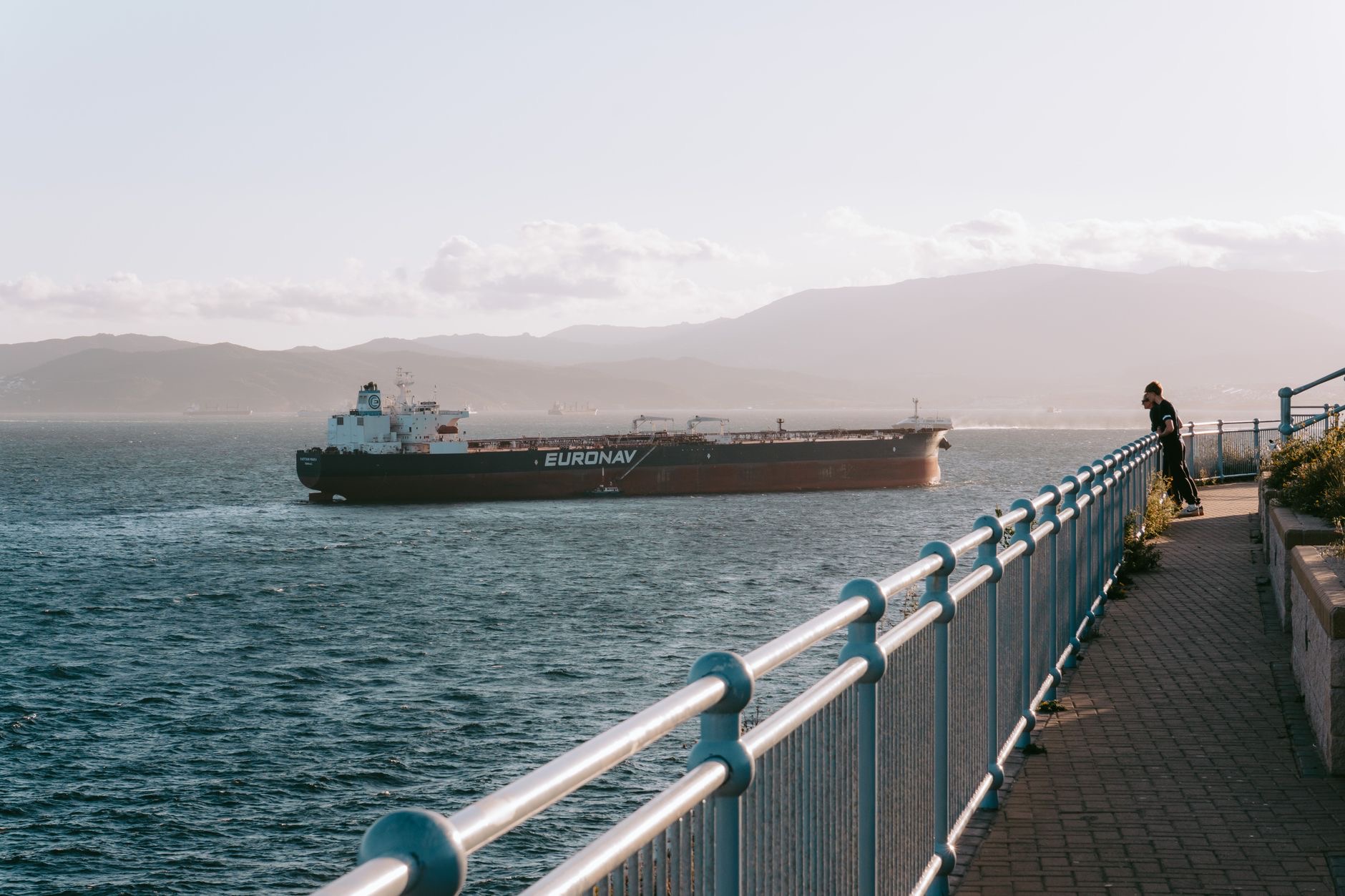
The risks were highlighted Monday when a tanker entering the Strait of Hormuz was struck by what the United Kingdom Maritime Trade Operations center described as an unknown projectile. Two crew members suffered minor injuries, according to the Associated Press. The ship continued toward port under its own power, and no party immediately claimed responsibility. Authorities were investigating the incident.
Energy markets have reacted quickly to changing expectations about diplomacy. CBS News reported that oil prices fell Monday as tanker movements increased and traders weighed the possibility that U.N.-related diplomacy could reduce tensions. Financial markets have repeatedly responded to developments in the conflict because Hormuz normally carries a significant share of global oil flows.
The Trump administration is simultaneously maintaining economic pressure. Treasury Secretary Scott Bessent said Monday that new U.S. sanctions measures would further restrict Iranian airlines’ ability to operate internationally, according to CBS News. That approach illustrates how Washington can continue applying financial pressure even if it postpones additional military action.
For Tehran, presenting conditions for talks while issuing military warnings appears designed to preserve negotiating leverage rather than signal an unconditional return to diplomacy. Iranian officials have emphasized that negotiations require changes in U.S. behavior first, while simultaneously portraying Iran as prepared for a longer conflict if Washington rejects its terms.
For the United States, the core question is whether Iran’s conditions provide enough room for negotiations or represent demands Washington considers unacceptable. Public reporting does not show that the Trump administration has accepted Tehran’s terms, nor has the White House announced a new negotiating framework.
The next phase may therefore depend less on the existence of diplomatic channels — which remain active through Qatar, Pakistan and other regional governments — than on whether Washington and Tehran can narrow their conditions without triggering another round of attacks. With senior officials from both countries converging around the U.N. General Assembly and military warnings growing sharper, diplomacy and deterrence are advancing on parallel tracks rather than replacing one another.



Leave a Reply