
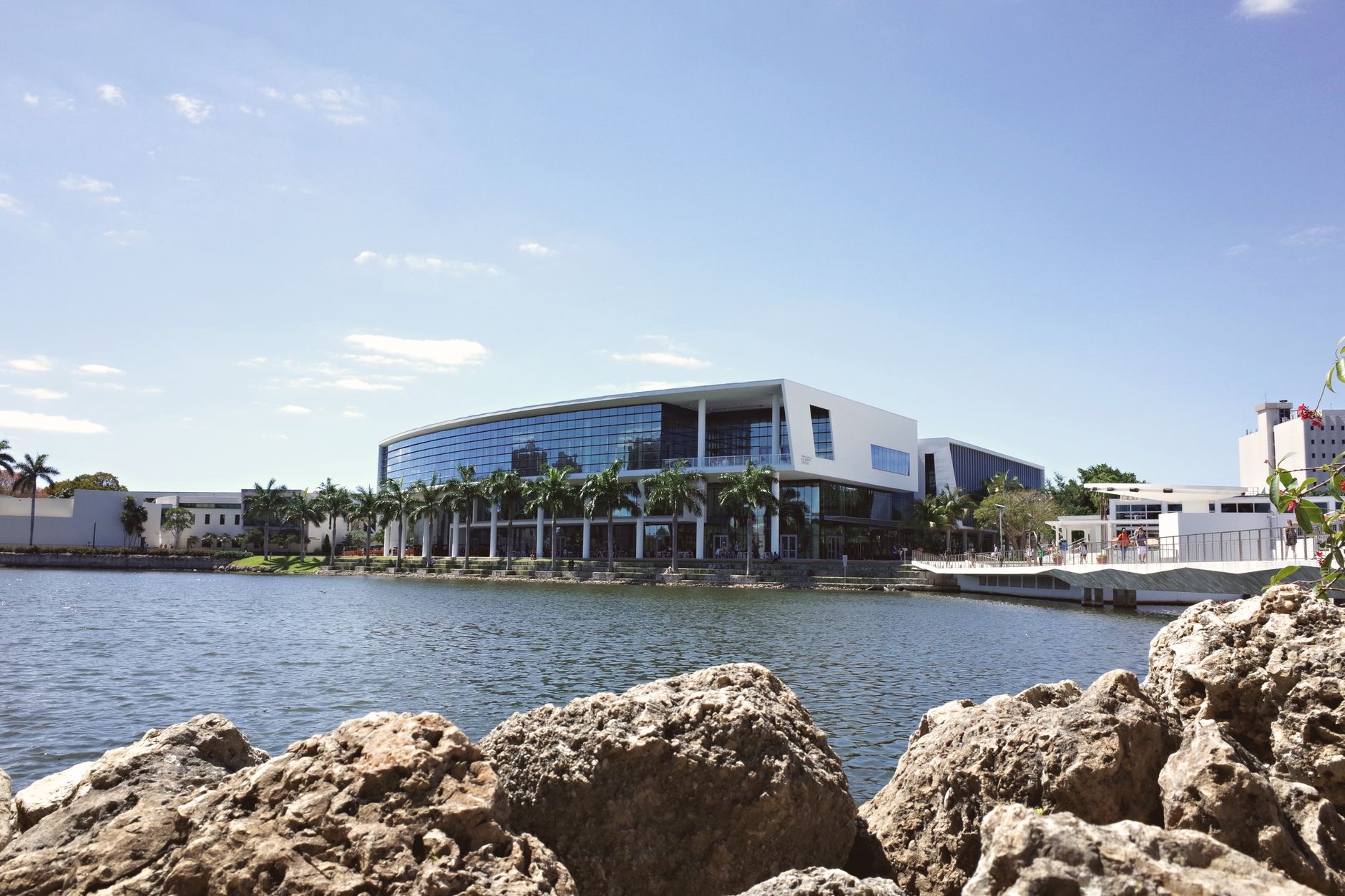
Florida International University’s decision to give selected campus police officers limited federal immigration powers is drawing renewed attention after new reporting detailed the continuing fallout at the majority-Hispanic Miami institution. The university’s police department entered the federal 287(g) program in 2025, allowing trained officers to perform specified immigration-enforcement functions under the supervision of U.S. Immigration and Customs Enforcement. Although FIU says the authority has not resulted in immigration-related enforcement actions on its campuses, the agreement continues to shape disputes involving students, faculty, donors and university administrators.
The issue carries unusual significance at FIU because immigration and Latin American identity are deeply connected to the university’s history and student population. FIU describes itself as one of the country’s largest Hispanic-serving institutions and has said it graduates more Hispanic students across academic disciplines than any other U.S. university. University materials put enrollment above 54,000 students, while recent demographic information has shown Hispanic students comprising a clear majority of the student body.
The partnership operates under Section 287(g) of the Immigration and Nationality Act. ICE says the program permits state and local law-enforcement agencies to receive delegated federal authority after officers receive training and certification. Under the Task Force Model used by participating agencies, designated officers can exercise limited immigration authority while performing ordinary law-enforcement duties, with ICE retaining supervisory responsibility over the delegated functions. The authority applies only to participating personnel who have completed federal requirements; it does not make every officer in a department an immigration agent.
FIU’s agreement was finalized in July 2025. The Washington Post reported that the plan contemplated immigration authority for four campus officers and that two officers had completed the required training during the previous year. The university has also said its officers do not routinely stop people simply to demand proof of citizenship or immigration status. Most significantly, FIU told the newspaper that none of its roughly 55,000 students had been detained on immigration charges by campus police since the agreement was completed.
University President Jeanette Nuñez and Police Chief Alexander Casas have defended the arrangement by arguing that participation gives FIU more influence over how any immigration-enforcement activity involving the campus is handled. During FIU’s 2025 presidential search process, Nuñez said federal agencies could enter campus to carry out lawful enforcement activity whether or not the university had a 287(g) agreement. She argued that having FIU police involved could allow officers familiar with the university community to take the lead locally rather than leave the process solely to outside agencies.

Opponents have focused less on the number of immigration arrests and more on the effect they say the delegated authority can have on trust between students and campus police. Faculty members and student organizers have argued that students with undocumented relatives, uncertain immigration status or temporary visas may become more reluctant to contact officers, report crimes or seek assistance if they believe the same department can participate in federal immigration enforcement. FIU officials have countered that the agreement has been widely misunderstood and does not mean campus police are conducting routine immigration sweeps.
The disagreement emerged inside FIU’s formal governance structure months before the latest national attention. Minutes from a June 2025 meeting of the university Board of Trustees’ Academic Policy and Student Affairs Committee recorded Faculty Senate concern about FIU Police participation in the 287(g) program and a formal request that the department withdraw its signed letter of interest. University officials told trustees at the time that they did not anticipate additional operating costs from the agreement and said administrators and faculty intended to continue discussing the issue.
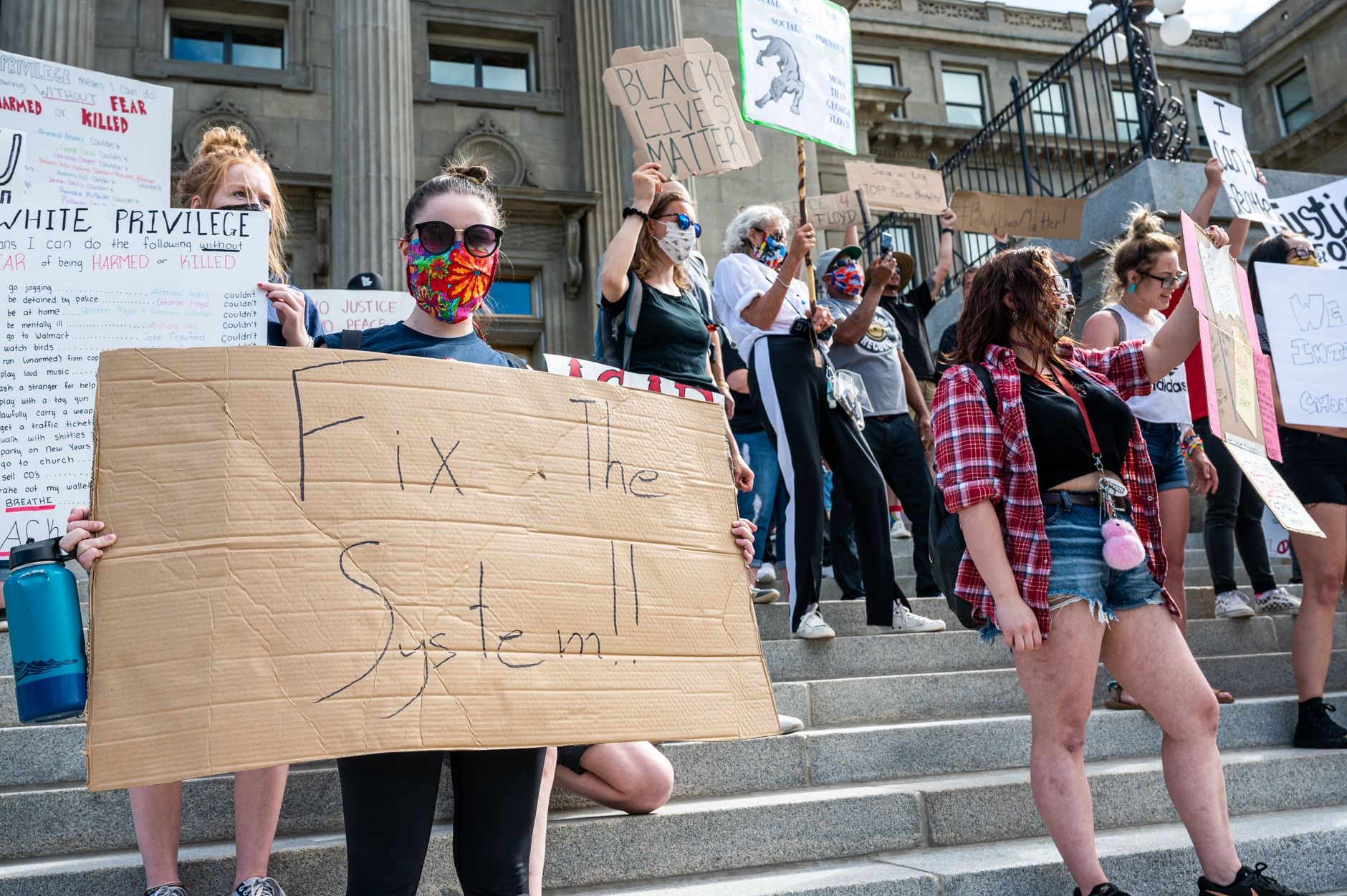
The dispute later moved beyond faculty meetings into student demonstrations. A group called ICEBreakers organized opposition to the agreement, including a silent protest at an event attended by Nuñez. According to a federal lawsuit later filed on behalf of the group and seven students, demonstrators briefly stood while wearing shirts opposing ICE’s presence at FIU and then left the event. The university subsequently brought student-conduct charges related to its rules governing expressive activity inside campus buildings.
The students sued FIU in August, arguing that the disciplinary action violated their First Amendment rights. The lawsuit is distinct from the underlying dispute over the legality or merits of the university’s 287(g) agreement: it challenges how FIU applied campus expression rules to students protesting the policy. The ACLU of Florida, which represents the students alongside other attorneys, has characterized the demonstration as protected, nondisruptive speech. FIU’s immigration-enforcement partnership therefore has become intertwined with a second debate over speech and protest rights at a public university.
Fresh reporting has also documented consequences outside university disciplinary proceedings. The Washington Post reported that businessman and FIU supporter Mike Fernandez withdrew a $1 million donation after the partnership became a source of controversy. The newspaper also reported that a nonprofit that had helped cover tuition for more than 180 undocumented students stopped supporting FIU and that most of those students subsequently transferred elsewhere. Those developments do not establish that campus police carried out immigration enforcement against the students, but they illustrate how the policy has affected enrollment decisions and outside relationships even in the absence of reported student immigration arrests.
FIU’s decision also fits within a broader Florida effort to increase cooperation between local law-enforcement agencies and federal immigration authorities. In February 2025, Gov. Ron DeSantis announced additional 287(g) agreements involving state agencies and said Florida wanted more officers trained to perform delegated immigration functions. Subsequent participation expanded across local departments and public higher-education institutions. Reporting and university faculty accounts indicate that at least 15 Florida public colleges and universities entered similar arrangements.
The expansion has highlighted an important distinction in the national immigration debate. Federal immigration law remains primarily a federal responsibility, but Section 287(g) provides a mechanism for ICE to delegate particular enforcement powers to trained state or local officers. Participating officers remain employees of their home agencies while exercising the designated federal authority under ICE direction. That structure allows immigration enforcement to extend into law-enforcement agencies whose traditional duties may have had little direct connection to immigration policy, including university police departments.
For FIU, the immediate question is therefore not simply whether campus officers have made immigration arrests. The continuing controversy involves how the existence of the authority affects campus behavior, whether the university’s stated desire for local control outweighs concerns about trust, and how FIU manages protest over the policy. University records show that those disagreements have persisted through faculty governance, presidential discussions and student activism rather than fading after the agreement was signed.
The latest reporting leaves one central fact unchanged: FIU says its campus police have not detained students on immigration charges since the agreement took effect. At the same time, the policy has produced measurable consequences around the institution, from demonstrations and litigation to transfers and donor decisions. That combination—little reported direct enforcement but substantial institutional fallout—is what has brought the university’s 287(g) partnership back into the national spotlight.




Leave a Reply