
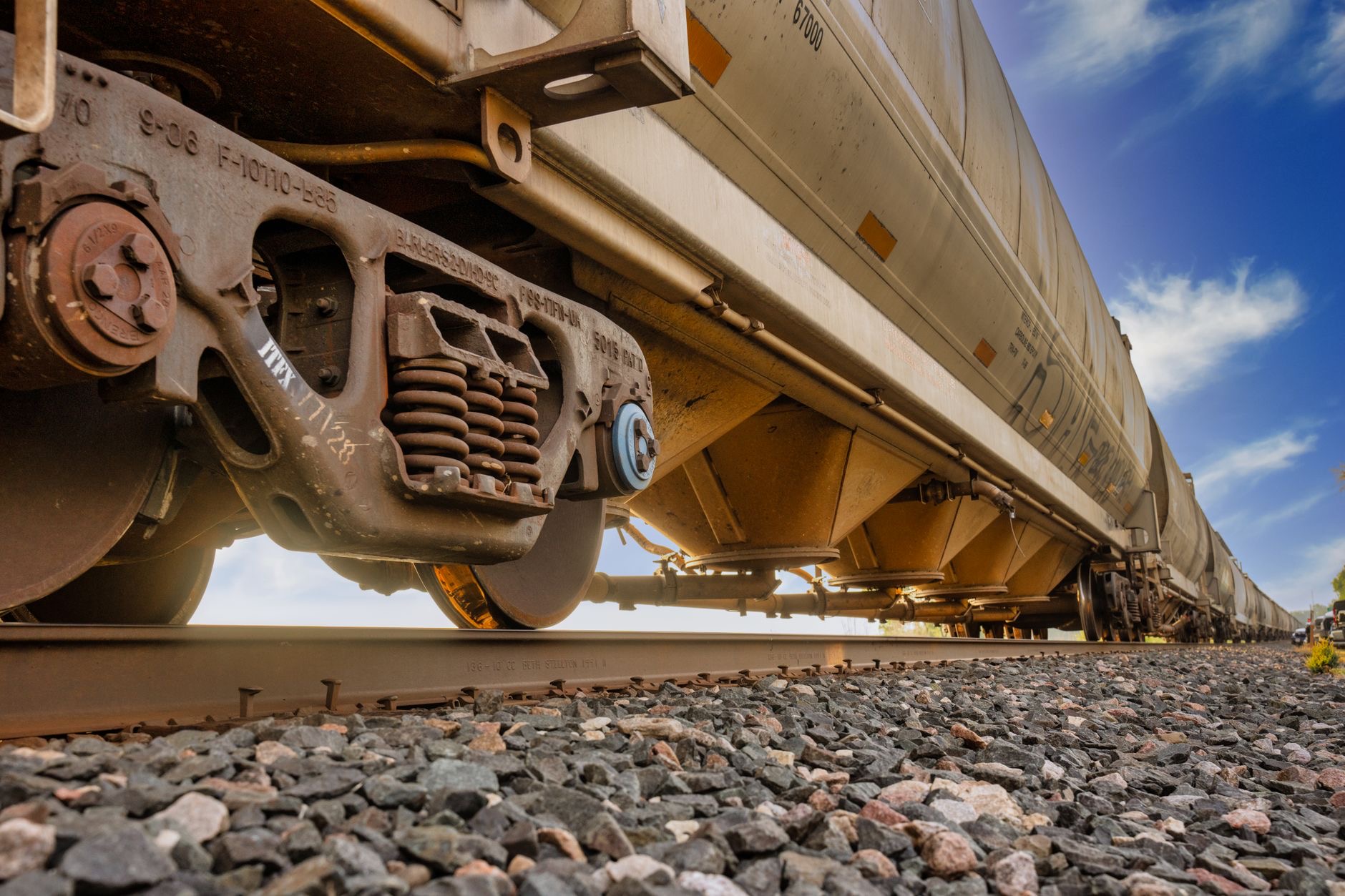
Artists have transformed the side of a historic Long Island Rail Road car in Riverhead, New York, into an oversized American flag, creating a new public-art memorial as the community marks 25 years since the Sept. 11, 2001 terrorist attacks.
Patrick Voorhees of Medford and fellow artist Zach Sieglinger completed the mural at the Railroad Museum of Long Island, according to RiverheadLOCAL, covering one full side of the vintage rail car with the Stars and Stripes. The project continues a recurring collaboration between artists and the museum that has used retired railroad equipment as an unconventional canvas for Sept. 11 remembrance.
The latest mural was completed around the anniversary itself and reported by the local outlet on Sept. 12. For Voorhees, it was the fourth year in which he organized artwork on the museum’s railroad cars. Earlier projects took place in 2016, 2017 and 2021, corresponding with significant anniversaries and community commemorations of the attacks.
This year’s effort came together quickly. Voorhees told RiverheadLOCAL that family commitments had made the summer unusually busy, but the significance of the 25th anniversary convinced him that the project should proceed. He and Sieglinger then faced a task that involved substantially more than simply applying paint.
The rail car’s exterior had deteriorated and required extensive preparation. The artists ground, scraped and sanded the surface, repaired damaged areas with body filler and applied primer before beginning the mural. Eastern Scaffolding of East Moriches again supplied scaffolding for the project, allowing the artists to work across the tall and elongated surface of the car.
The finished composition is deliberately straightforward: a monumental U.S. flag stretching across the rail car. Rather than treating the train solely as transportation history, the artists turned its industrial surface into a memorial object that can be encountered at the museum as part of the physical landscape of Riverhead.
The location has a longer connection to the project. In 2016, Voorhees proposed painting two historic cars at the Railroad Museum of Long Island for the 15th anniversary of Sept. 11. More than two dozen artists participated in that original effort, creating commemorative works with the museum’s approval. The cars included a Pullman Standard P72 Long Island Rail Road coach and a Pennsylvania Railroad baggage-mail car.

The initial project established a model in which street-art techniques normally associated with contemporary urban spaces were applied to preserved railroad equipment for a civic purpose. The murals subsequently became part of the museum’s identity and attracted attention from local residents, first responders, railroad workers and visitors. A model-train version of one of the earlier decorated cars was later produced by Lionel, further extending the artwork into railroad-collecting culture.
For the 2026 project, the visual presentation continued after dark. Blue lights illuminated the Riverhead site, recalling the beams that have become associated with Sept. 11 commemorations in New York. RiverheadLOCAL reported that one young visitor wearing military fatigues noticed the lights from a nearby roadway and followed them to the railroad station, where he encountered the memorial.
For Voorhees, encounters like that speak to one of the central purposes of the work: preserving the history of Sept. 11 for people who were children at the time or were born afterward. A quarter-century after the attacks, a growing share of Americans have no personal memory of watching the events unfold. That generational shift is increasingly shaping the work of museums, schools, artists and memorial organizations.
Riverhead’s rail-car project was one element of a broader series of local observances surrounding the anniversary. The town held a ceremony at World Trade Center Memorial Park in Calverton, where residents, first responders, veterans and public officials gathered to remember the victims and those involved in rescue and recovery work.
RiverheadLOCAL reported that retired New York Police Department detective John Cuddy, who now lives in Jamesport, spoke at the ceremony about responding in Manhattan on Sept. 11, 2001. Town officials emphasized the importance of passing those memories to younger generations. The Calverton memorial itself was conceived after the attacks by local resident Hal Lindstrom and includes architectural elements intended to evoke the World Trade Center towers.
Art also played a role at that ceremony. Riverhead fiber artist Sherry Davis displayed an American flag made from fire hoses, another locally produced work connecting material associated with first responders to the visual language of national remembrance. Officials said that piece is expected to have a permanent home at Riverhead Town Hall.

Taken together, the rail-car mural and the other anniversary artworks demonstrate how Sept. 11 remembrance has expanded beyond formal monuments. Community-created objects, temporary installations and recurring art projects have become additional ways of preserving the event’s history, particularly outside Manhattan and in communities across the New York metropolitan region that lost residents and sent first responders into the city.
Long Island was deeply connected to the attacks through commuters, firefighters, police officers and other residents who worked in New York City. That history gives local memorial projects an especially personal dimension. In Riverhead, remembrance takes place not only at designated memorial parks but also at institutions such as the Railroad Museum of Long Island, where historic equipment can be repurposed as a platform for contemporary expression.
The use of a railroad car adds another layer to the project. Railroads are closely tied to Long Island’s development and commuting culture, making the car a recognizable regional artifact before any paint is applied. Turning it into a flag mural connects that local history with a national memory, while preserving the informal, collaborative character of the artists’ earlier projects.
The mural is also intentionally accessible. It does not require viewers to interpret an abstract installation or understand specialized historical references. The American flag is immediately recognizable, while the setting and anniversary provide the context. That simplicity allows the piece to function simultaneously as street art, historical interpretation and a community memorial.
Twenty-five years after the attacks, Riverhead’s latest mural suggests that remembrance is becoming an increasingly creative and decentralized cultural practice. Formal ceremonies continue, but paintings, photographs, fiber art, illuminated installations and other artistic forms are also helping communities translate personal memory into something visible for people who did not witness 2001 themselves.
At the Railroad Museum of Long Island, that process now occupies the side of an aging rail car: a familiar regional object repaired, repainted and transformed into a large American flag, continuing a decade-long artistic tradition built around the promise that the events and losses of Sept. 11 will remain part of the community’s collective memory.




Leave a Reply