
LOS ANGELES — The Lucas Museum of Narrative Art is less than three weeks from opening to the public, but an early critical debate is already forming around an unusually fundamental question for a museum devoted to storytelling: How much of the story should the institution itself tell?
An ARTnews review published as journalists received an early look at the museum argues that the answer, at least in the inaugural installation, is not enough. Critic Maximilíano Durón focused on the relative absence of extended wall texts and interpretive material, contending that visitors are given insufficient guidance for understanding why objects from dramatically different periods, genres and cultural traditions have been assembled together. His larger criticism is that a museum calling itself an institution of “narrative art” has not established a strong enough narrative of its own.
That argument arrives as the museum moves from a decades-long development story into its first real test with audiences. The institution, co-founded by filmmaker George Lucas and Mellody Hobson, is scheduled to open September 22 in Exposition Park. The 300,000-square-foot building designed by Ma Yansong of MAD with Stantec contains more than 100,000 square feet of gallery space across more than 30 galleries, according to the museum.
The scale is matched by an intentionally expansive definition of what belongs inside. The collection moves across painting, illustration, comic art, photography, murals and cinema rather than observing the traditional boundary between fine art and commercial imagery. Official museum materials describe narrative art broadly as visual storytelling that connects people, shapes beliefs and reflects human experience.
That premise is central to Lucas’ long-standing challenge to art-world hierarchies. The creator of “Star Wars” has collected illustration and popular imagery for decades, and the museum places artists associated with mass culture into conversation with figures more commonly encountered in conventional art museums. Early coverage has identified works connected to Norman Rockwell, Frida Kahlo, Diego Rivera, Banksy and other widely recognized artists alongside comics, fantasy imagery and cinematic material.
The Associated Press, in a September 4 preview, described a museum reaching far beyond the expectation that it would function as a monument to “Star Wars.” While the franchise is represented, AP reported that the opening presentation uses only a limited portion of the museum’s gallery space for “Star Wars” material. The broader project is an attempt to make illustration, commercial art and popular visual storytelling central rather than peripheral to a major museum experience.

That breadth is precisely what makes the curatorial question important. Bringing together artworks separated by centuries, media and social contexts can create unexpected connections, but it also increases the burden of explaining why those connections matter. ARTnews’ review argues that thematic labels and basic object information do not always provide enough historical or intellectual context for visitors to understand those relationships.
The criticism is especially significant because the museum’s galleries are organized around themes associated with human experience and storytelling rather than a conventional chronological march through art history. The institution has previously identified subjects including family, love, work, play, sports, fantasy, adventure and community. Such an approach can make collections approachable to visitors without specialist art-historical knowledge, but it can also create abrupt juxtapositions if the curatorial logic is not clearly communicated.
One example highlighted in the critical coverage concerns works dealing with American history, labor and race. Durón argues that images carrying complicated historical meanings can lose essential context when displayed with little interpretation. His review raises a broader museum-industry question: whether allowing visitors to encounter images without extensive institutional explanation encourages discovery, or leaves difficult material inadequately framed.
The museum’s philosophy appears to place substantial faith in the image itself. That is consistent with its larger effort to argue that visual storytelling is a universal form of communication. In an interview reported by the Daily Trojan on September 4, Hobson described the institution as being “for the people, by the people” and said narrative images can reflect myths and beliefs that connect families, communities and nations.
There are also features beyond the main collection galleries that broaden the museum’s educational ambitions. The institution has announced a free research library, a continuous film program and public spaces integrated into its 13-acre campus. Two theaters will screen material ranging from early silent cinema and experimental film to animation, documentaries and selections connected to contemporary popular culture. The surrounding landscape was designed by Mia Lehrer and Studio-MLA.

Those elements make the debate over wall text only one part of a much larger visitor experience. The museum is positioning itself not simply as a place to inspect objects, but as a cultural campus where illustration, film, popular imagery and traditional art can be considered together. Whether audiences find that breadth liberating or disorienting will become clearer once regular visitors begin moving through the galleries.
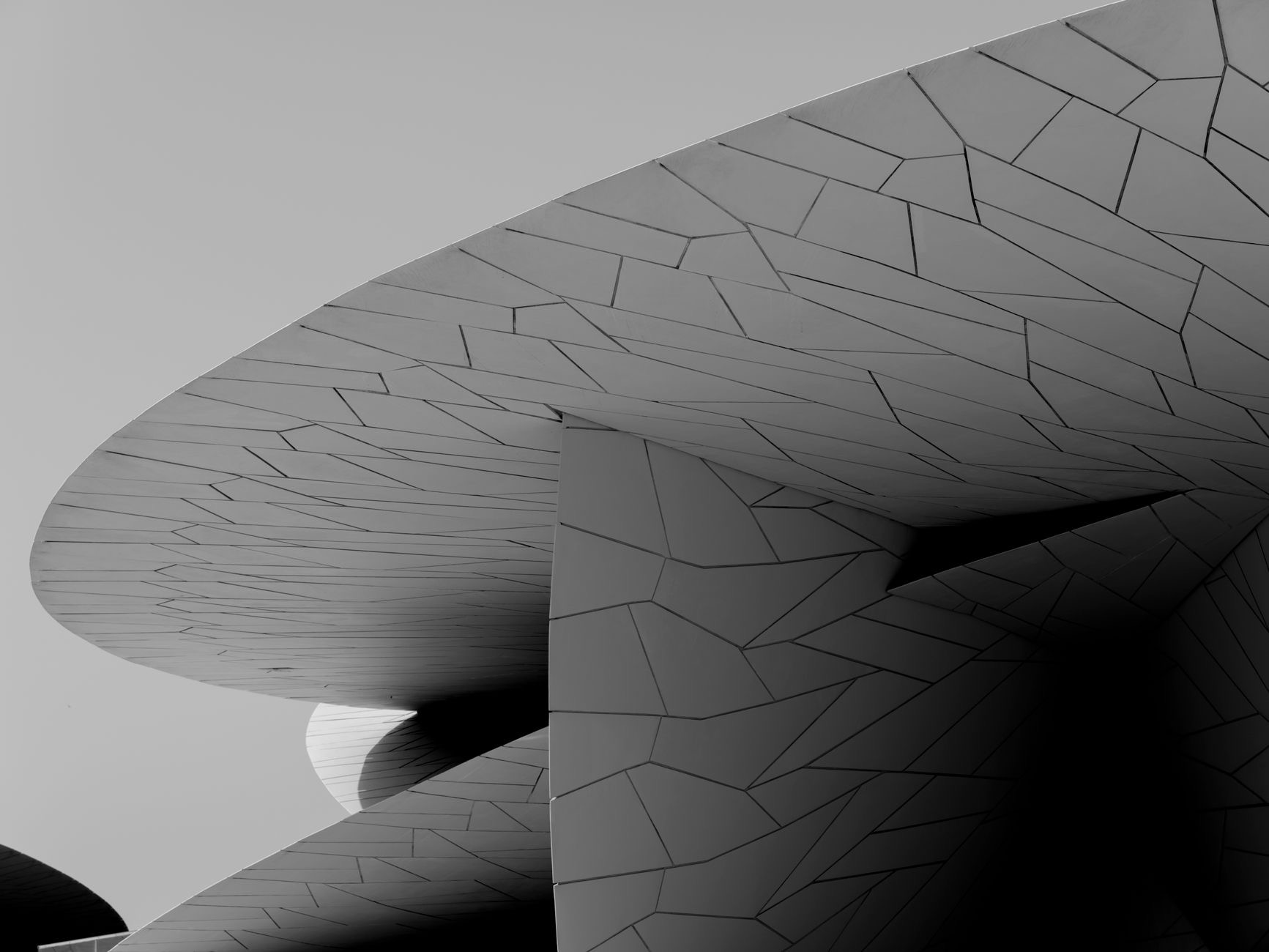
Early coverage also suggests the physical building itself will compete for attention. Ma’s flowing structure has been compared with a spacecraft, cloud or organic canopy, an association that inevitably connects it with Lucas’ cinematic legacy even though the museum’s mandate is substantially broader. Its arrival adds another major institution to Exposition Park, near the Natural History Museum of Los Angeles County, California Science Center and Los Angeles Memorial Coliseum.
For Los Angeles, the opening also represents an unusually large private investment in a museum centered on forms of visual culture deeply connected to the city’s entertainment economy. Illustration, cinema, production design, comics and commercial imagery have historically occupied an ambiguous position between art museums and popular entertainment. The Lucas Museum is making the case that those divisions are less important than the stories images communicate.
The first wave of criticism shows that the museum will be judged not only on whether that case is interesting, but on whether its galleries actually demonstrate it. A collection can contain thousands of stories while still leaving visitors uncertain about how they relate to one another. The tension between those two ideas—the power of individual images and the responsibility of a museum to contextualize them—is likely to remain central as the Lucas Museum begins receiving members, neighborhood visitors and, on September 22, the general public.




Leave a Reply