
Canada’s federal government remains unable to locate 111 artworks from its Indigenous Art Centre collection, keeping a spotlight on collection management practices at one of the country’s most important repositories of Indigenous art. The unresolved cases follow an internal audit that found the department responsible for the collection could not account for more than 100 works.
The Indigenous Art Centre collection was established in 1965 to support the preservation, promotion, and development of Indigenous art in Canada. It includes works by First Nations, Métis, and Inuit artists and contains more than 5,000 pieces. Recent reports have described the collection as a nationally significant cultural resource representing decades of artistic production and Indigenous perspectives.
The missing artwork issue emerged from an internal audit covering the operations of the Indigenous Art Centre between 2019 and 2024. The audit identified 132 collection entries that could not initially be accounted for. Since then, officials have located some works or determined that certain records were duplicates, reducing the number of unresolved cases to 111.
Officials have emphasized that the works are considered unaccounted for rather than confirmed stolen. The Canadian government has said there is no evidence of wrongdoing connected to the missing items, while continuing efforts to trace their locations through historical records, storage reviews, and government facilities.
The audit highlighted several challenges affecting the collection’s oversight. Some works had previously been distributed through government office loan programs, including displays in federal and regional offices. Over time, changes in personnel, office locations, and record systems created difficulties in tracking individual pieces, according to reporting on the audit findings.

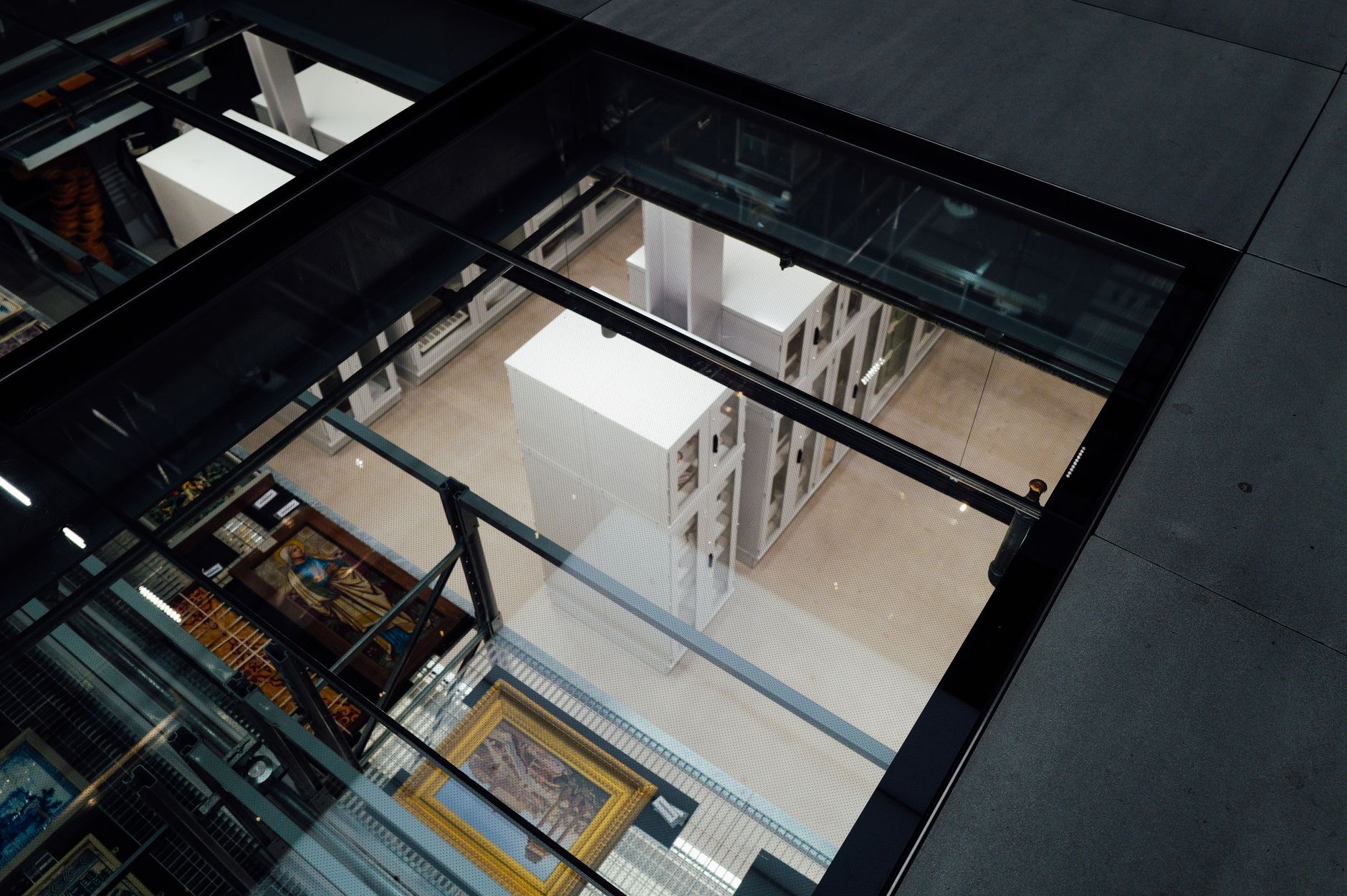
The collection also underwent physical changes in recent years. The Indigenous Art Centre began moving portions of the collection to temporary storage facilities while its previous storage location was being renovated. The audit identified collection movement and storage transitions as periods requiring stronger controls and monitoring.
For Indigenous artists and cultural advocates, the issue raises broader questions about institutional responsibility. Art collections are not only financial assets; they can also carry historical, spiritual, and community significance. When institutions cannot confirm the location of works, concerns may extend beyond administrative failures to questions about whether cultural heritage is receiving appropriate protection.
The Canadian government has said it is improving collection management practices, including record keeping and security procedures. Officials have also continued reviewing collection databases and historical documentation to determine whether additional pieces can be located or records corrected.
The situation comes as museums and cultural organizations across North America face increased expectations for transparency in managing collections. Institutions have placed greater emphasis on accurate inventories, digital cataloging, provenance research, and engagement with communities connected to cultural materials.
For U.S. museums and arts organizations, the developments provide another example of the challenges involved in managing culturally significant collections. Many American institutions have similarly faced calls to strengthen documentation practices and expand collaboration with Indigenous communities when displaying or preserving Native cultural works.
The unresolved Canadian cases also highlight the importance of long-term investment in museum infrastructure. Collection management requires not only secure storage but also consistent documentation systems, trained personnel, and clear accountability for artworks as they move between facilities or exhibition spaces.
While the number of unresolved works represents a small portion of the Indigenous Art Centre’s overall holdings, the cultural importance of the collection has made the issue a significant test of institutional stewardship. The government’s continuing search will determine whether additional works can be recovered, whether records can be reconciled, and how collection policies may change in response.
As the review continues, cultural officials and Indigenous communities will be watching how Canada addresses the remaining gaps. The outcome could influence broader discussions about how governments and museums protect Indigenous art and maintain public trust in cultural institutions.




Leave a Reply