
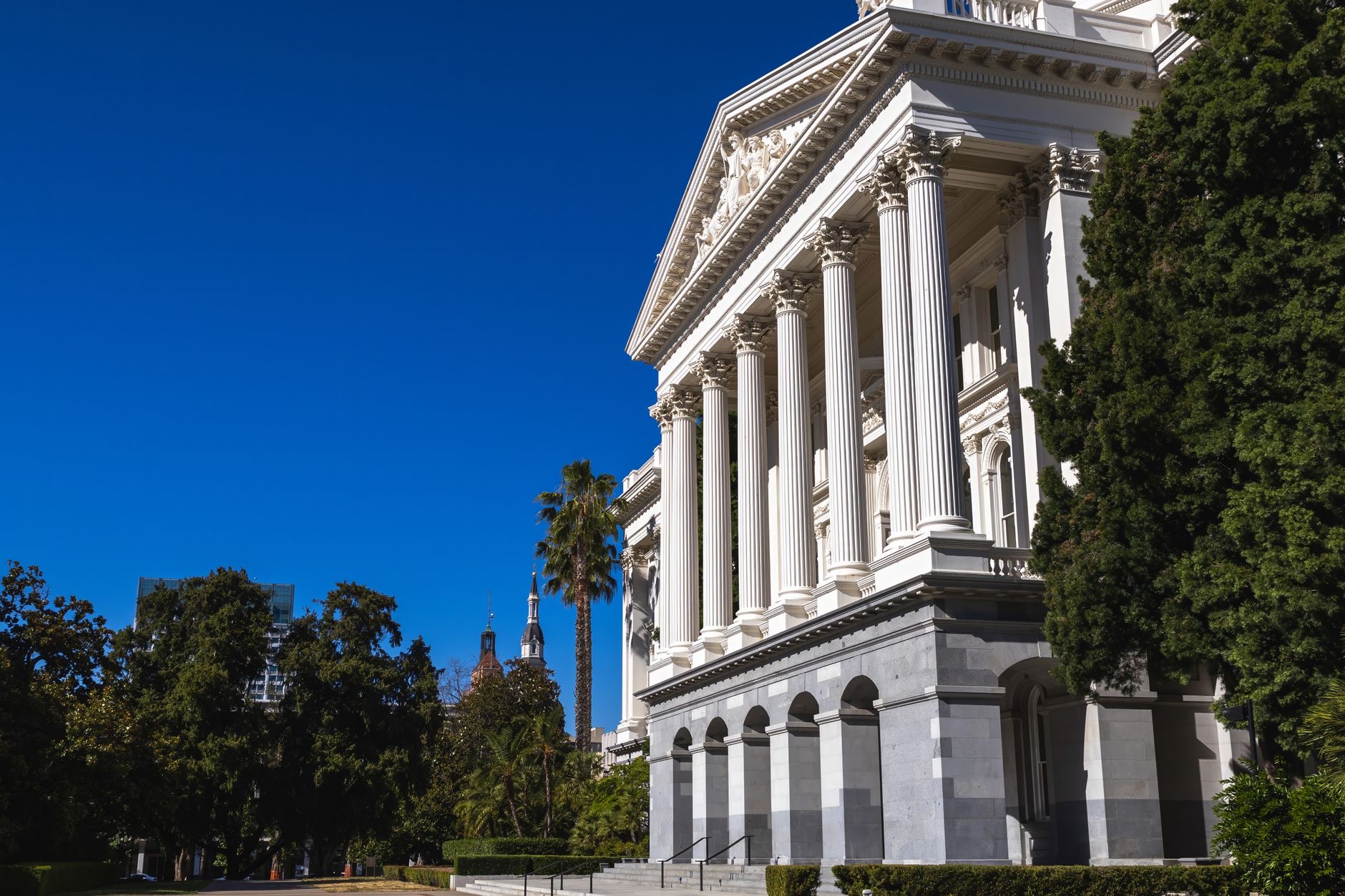
Fresh reports that U.S. Immigration and Customs Enforcement agents made arrests at a California courthouse have reopened a conflict that reaches beyond the individuals taken into custody: whether federal immigration enforcement can be carried out at a place where victims, witnesses, defendants and families must appear to use the justice system.
The immediate facts of any courthouse arrest matter. A civil immigration arrest based on an administrative warrant is legally different from an arrest supported by a warrant signed by a judge. A state criminal courthouse is also different from a federal immigration court, which is an administrative tribunal within the Justice Department. Those distinctions shape what rules apply, what remedies may be available and whether state officials can intervene.
California has taken an increasingly formal approach to the issue. Existing state law generally protects people from civil arrest while they are attending court or conducting legal business at a courthouse, absent a valid judicial warrant. State officials and immigrant-rights advocates argue that enforcement operations at or near courthouses can discourage people from reporting crimes, seeking restraining orders, testifying or appearing in their own cases.
Federal immigration authorities take the opposite operational view. ICE’s May 2025 courthouse-enforcement memorandum said arrests in or near courthouses can reduce safety risks because people entering the buildings are screened for weapons and because agents may know where a targeted person will be. The policy directed officers to focus generally on identified targets, use nonpublic areas when practicable and minimize disruption to court proceedings. It also said agents should usually avoid areas dedicated entirely to family court, small claims and other noncriminal matters unless supervisors approve an operation.
That federal policy was dealt a major setback on June 23, when U.S. District Judge P. Casey Pitts in San Jose vacated several Trump administration policies governing courthouse arrests and short-term immigration detention. Pitts found that the agencies had not supplied the reasoned explanation required by the Administrative Procedure Act when they removed earlier restrictions. The ruling restored prior limits rather than declaring that immigration officers can never make an arrest at any courthouse under any circumstance.

The latest California reports therefore arrive in a complicated legal environment. The legality of a specific operation may turn on the kind of courthouse involved, the target’s immigration and criminal history, the warrant agents carried, the location of the arrest and the federal policy in force at that moment. It may also depend on whether higher courts stay, narrow or otherwise modify earlier rulings.
For California’s judiciary, the central concern is institutional rather than ideological. Courts cannot function if key participants believe appearing in person could expose them or accompanying relatives to detention. A missing witness can weaken a prosecution. A domestic-violence survivor who avoids court may lose access to an emergency protective order. A tenant, worker or parent who fails to appear may lose a case by default. Even when the person sought by ICE is not a witness or victim, a visible arrest can influence the behavior of everyone who sees it.
That concern led the California Judicial Council to adopt Rule 10.440 in April. The rule requires superior courts to report civil arrests in court facilities and, when known, identify the arresting agency, the location, whether anyone was taken into custody and whether officers presented a judicial warrant. The rule took effect May 1, with reporting beginning in June. It does not itself block federal officers, but it creates a statewide record that judges and policymakers can use to assess patterns and operational effects.
The reporting requirement followed incidents at multiple California courthouses, including a daylong federal operation at the Oroville courthouse in which several people were taken into custody, according to the Judicial Council. State court leaders have said that fear of arrest can impair access to justice and public confidence. The new data could show whether courthouse enforcement is concentrated in particular counties, whether arrests occur inside buildings or in adjacent areas, and how often agents rely on judicial warrants rather than administrative immigration documents.
California lawmakers have also pursued broader protections. Senate Bill 873 would expand the state’s privilege from civil arrest to people traveling to, present at or leaving a courthouse for lawful activity. The proposal would authorize courts to issue protective orders, allow the attorney general or an arrested person to seek relief and damages, and require law-enforcement representatives entering a courthouse to identify themselves and present a valid judicial warrant. The measure reflects California’s effort to use state civil law and court-administration authority without directly taking over federal immigration policy.
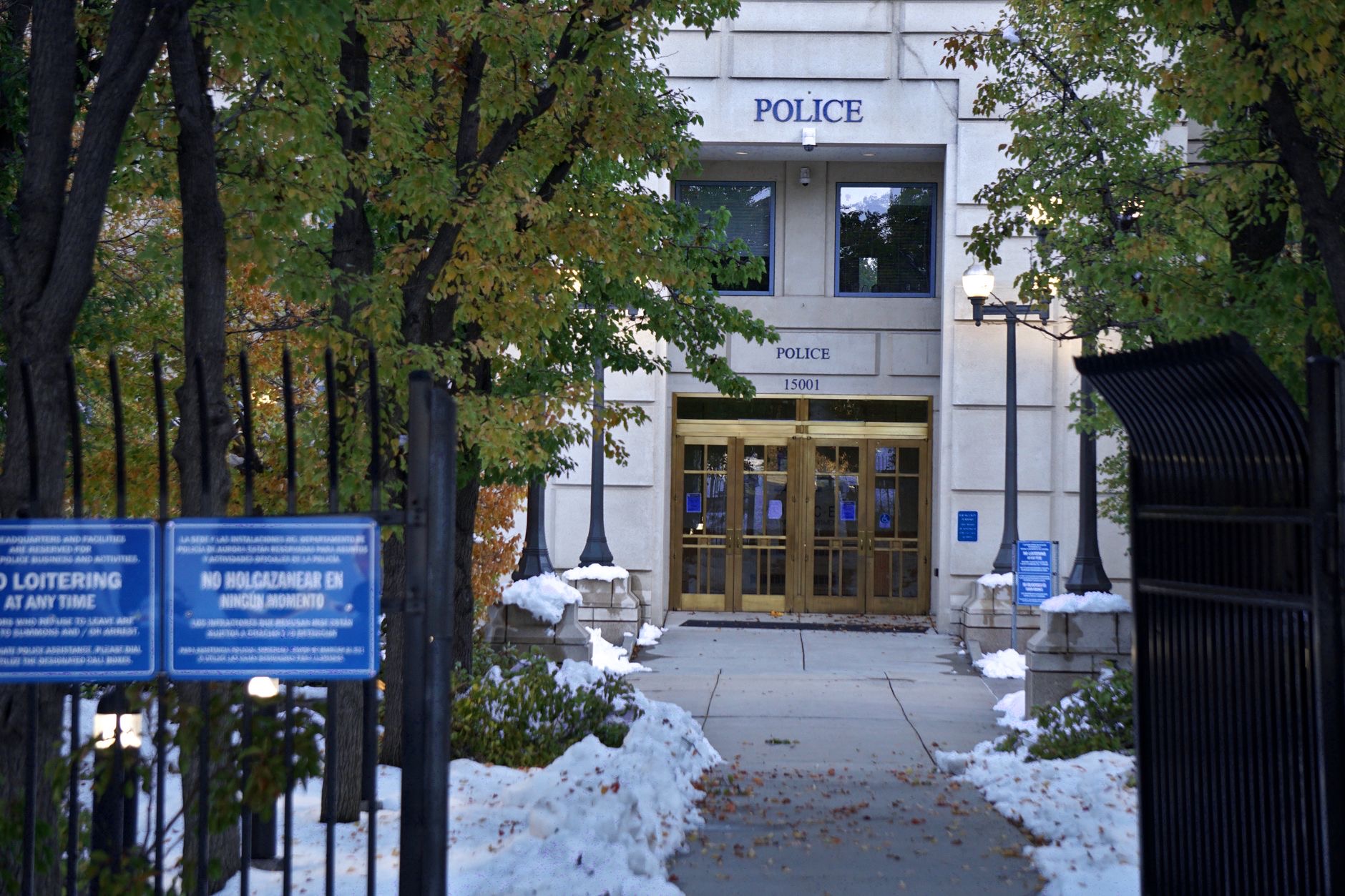
The federal government, however, has constitutional authority over immigration and can argue that state rules may not obstruct lawful federal operations. That creates a recurring federalism dispute. California can control its court facilities, personnel and procedures, but enforcement against federal officers can raise questions involving federal supremacy, intergovernmental immunity and the limits of state remedies. Those questions are likely to be litigated case by case.
The debate also turns on public safety. ICE maintains that courthouse arrests can be safer than attempting to locate a person at a home, workplace or public street, particularly when the target has a criminal record or final removal order. Critics respond that the efficiency of an arrest location cannot be assessed in isolation from the broader cost to the justice system. They argue that a tactic may be operationally convenient for federal agents while still making local courts less effective.
A workable balance would require clearer notice, reliable coordination and strict distinctions among criminal warrants, civil immigration warrants and courthouse types. It would also require transparency about who is being arrested and why. Without that information, public debate tends to collapse into competing generalizations: that every courthouse arrest is an attack on due process, or that every person arrested is a dangerous offender. Neither assumption can substitute for facts about an individual operation.
For now, the California arrests are another test of whether two government systems can perform their duties without undermining each other. Federal authorities are charged with enforcing immigration law. State courts are charged with providing a forum that people can enter without fear that participation itself will become a trap. The legal boundaries remain contested, but the practical stakes are immediate: whether people continue to appear, testify, seek protection and trust that a courthouse is first and foremost a place where justice can be pursued.




Leave a Reply