
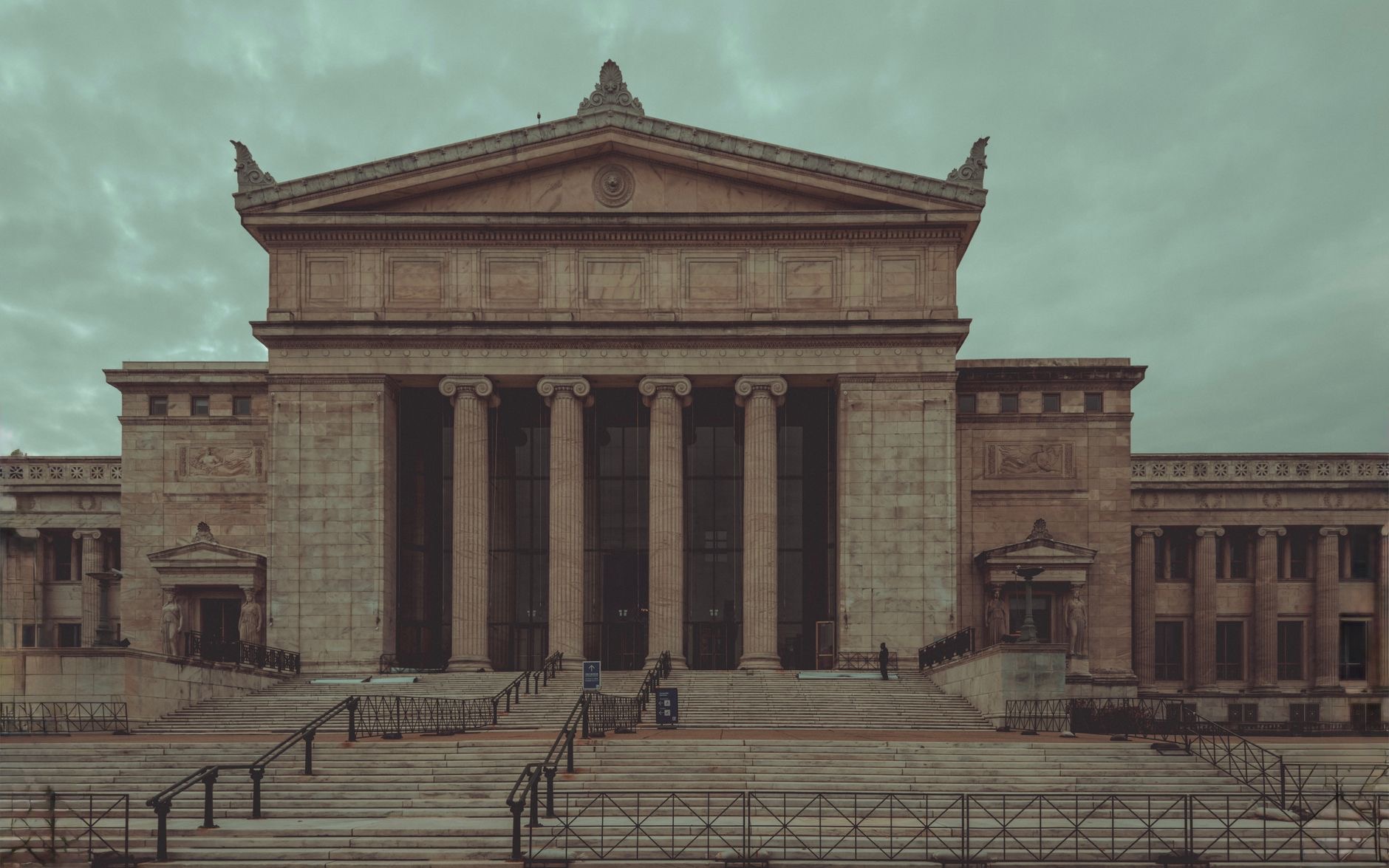
A federal investigation receiving renewed attention in arts and regional news coverage found that the New York State Museum improperly drew $597,624 from U.S. Geological Survey grants over three fiscal years, using inaccurate employee records and unapproved budget changes to claim federal money.
The U.S. Department of the Interior’s Office of Inspector General investigated the matter jointly with the New York State Comptroller’s Office. Its findings concerned grants issued through STATEMAP, a competitive program that helps state geological surveys produce maps used for land planning, water-resource management, mineral assessment and preparation for natural hazards.
STATEMAP operates on a dollar-for-dollar matching basis. For every federal dollar awarded, a state geological survey must provide an eligible state contribution. The New York State Museum’s grant proposals said its share would include salaries for employees working on the projects, along with travel, supplies and other approved expenses.
Investigators concluded that the museum did not carry out the fiscal 2020, 2021 and 2022 projects in accordance with the proposals and revised budgets it had certified to the federal government. The report said museum administrators directed employees to submit inaccurate timesheets that overstated how much time they spent on STATEMAP activities.
The museum also charged the salaries of two employees who did not work under the grants, according to the inspector general. Investigators said officials could not account for another employee’s federally funded salary. Together with failures involving the required state match, those practices allowed the institution to draw down money that the federal review determined was unsupported.
The investigation identified separate violations involving changes to the grant projects themselves. The museum replaced key personnel named in its proposals and shifted money budgeted for field expenses, including travel and office supplies, toward staff salaries. Both types of changes required advance approval from the U.S. Geological Survey, but investigators found that the museum did not obtain it.

The report substantiated the central allegations examined by the federal and state investigators. It did not publicly identify the administrators responsible for the instructions or assign criminal liability to individual museum employees. The questioned conduct occurred from 2020 through 2022, while some fiscal 2022 funds remained available into 2024 because they were issued as two-year funds.
In April 2025, a senior New York official acknowledged that the state had not met the full matching requirement for the fiscal 2022 grant cycle. The inspector general said subsequent state action addressed only $40,511 of the $597,624 in improper drawdowns. The state also changed how staff recorded and reported time on the fiscal 2022 project after the federal investigation began, and investigators confirmed that the revised accounting practice was implemented.
The U.S. Geological Survey told regional news organizations that New York has not received additional STATEMAP funding since 2024. The agency has emphasized that the program’s matching rules are central to its partnerships with state surveys because the federal grants are intended to leverage equivalent state investments rather than replace them.
Despite the financial and compliance findings, USGS said the museum submitted the required technical reports, deliverables and final reports for all three geological-mapping projects. That distinction means investigators did not conclude that the underlying mapping work was entirely absent. Instead, the case centered on whether the expenses, employee time and state contributions used to obtain federal reimbursements complied with the approved agreements.
The Interior Department’s inspector general referred the matter to the U.S. Attorney’s Office for the Northern District of New York. Prosecutors declined to pursue a criminal case, deferring to administrative action and possible recovery by USGS. The investigative summary was sent to the agency’s director for potential collection of lost revenue and any other action considered appropriate.
The New York State Education Department, which oversees the museum, has said it cooperated fully with federal and state reviewers and acknowledged the overall findings. A department spokesperson said the state was prepared to repay grant funding ultimately determined to lack the required matching support. The department has also stressed that the museum completed the projects’ technical requirements.
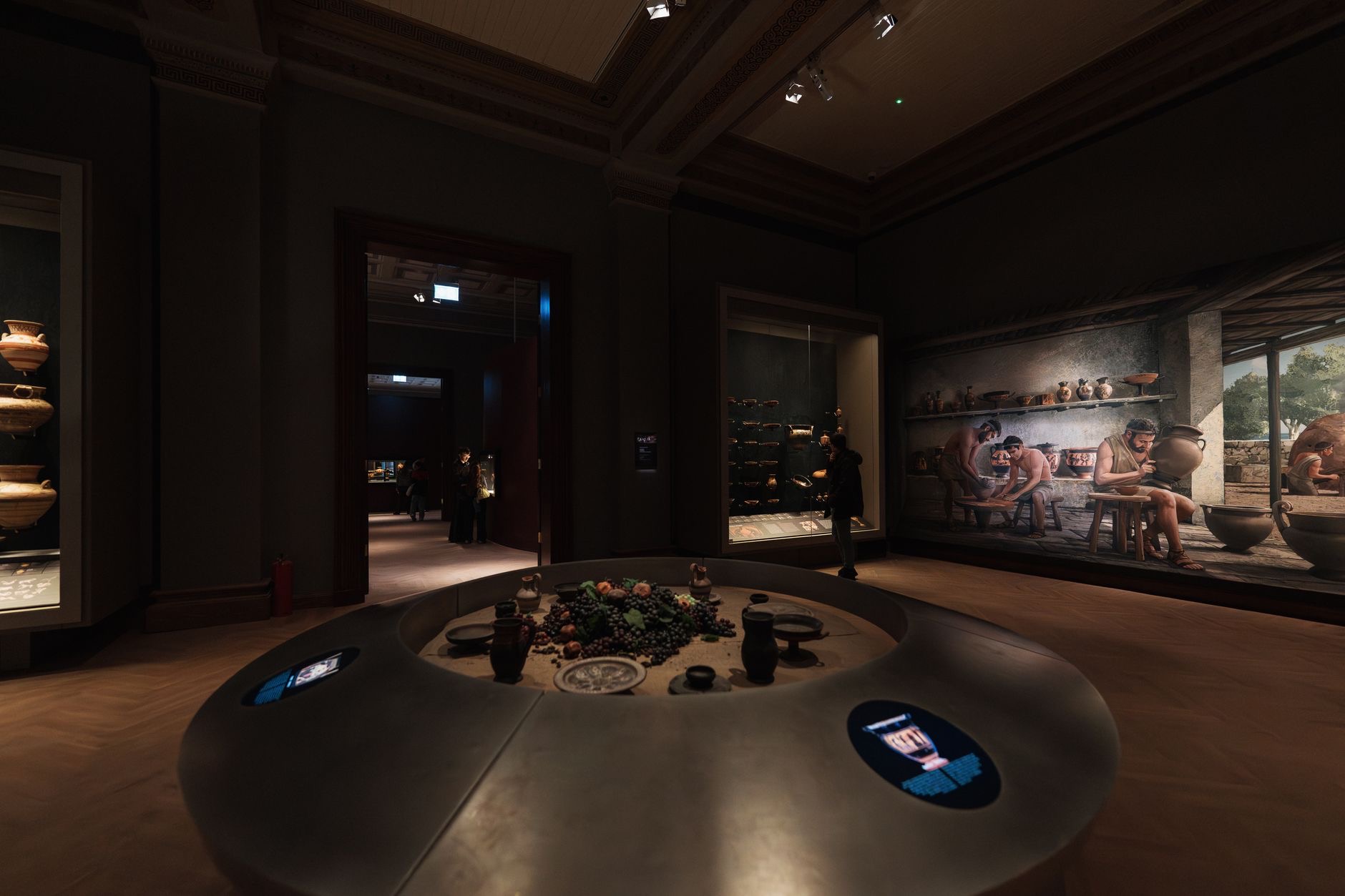
The findings create a governance challenge for a public institution that is entering an expensive and closely watched period of renewal. The New York State Museum, located in Albany’s Cultural Education Center, holds more than 20 million objects and specimens covering the state’s natural and cultural history. Its operations combine the work of a museum, research institution and state geological survey, making reliable allocation of staff time and project costs particularly important.
New York officials announced a $150 million investment in the museum earlier this year. The first phase includes new exhibitions, a dedicated Kids Zone, renewed visitor services, a reopened gift shop and café, and a task force charged with shaping the institution’s longer-term direction. Those modernization funds are distinct from the federal grants examined by investigators, and the report does not allege that the renewal appropriation was misused.
Still, the timing gives the investigation wider relevance for the arts and museum sector. Cultural institutions often operate with overlapping government appropriations, restricted grants, donations and project-specific budgets. When employee salaries are divided among several funding sources, inaccurate time records can create significant exposure even when exhibitions, research or public programs are ultimately delivered.
The next steps will largely be administrative. USGS can determine how much money should be repaid, whether additional documentation supports any portion of the disputed match and what safeguards would be necessary before New York could again receive STATEMAP funding. State officials must also demonstrate that revised payroll, approval and grant-monitoring systems are capable of preventing similar problems.
For the museum’s new leadership, the investigation adds financial accountability to an already ambitious institutional agenda. Its public renewal will now be judged not only by new galleries and visitor programs, but also by whether the museum can rebuild confidence in the controls governing the public money behind its scientific and cultural work.




Leave a Reply