
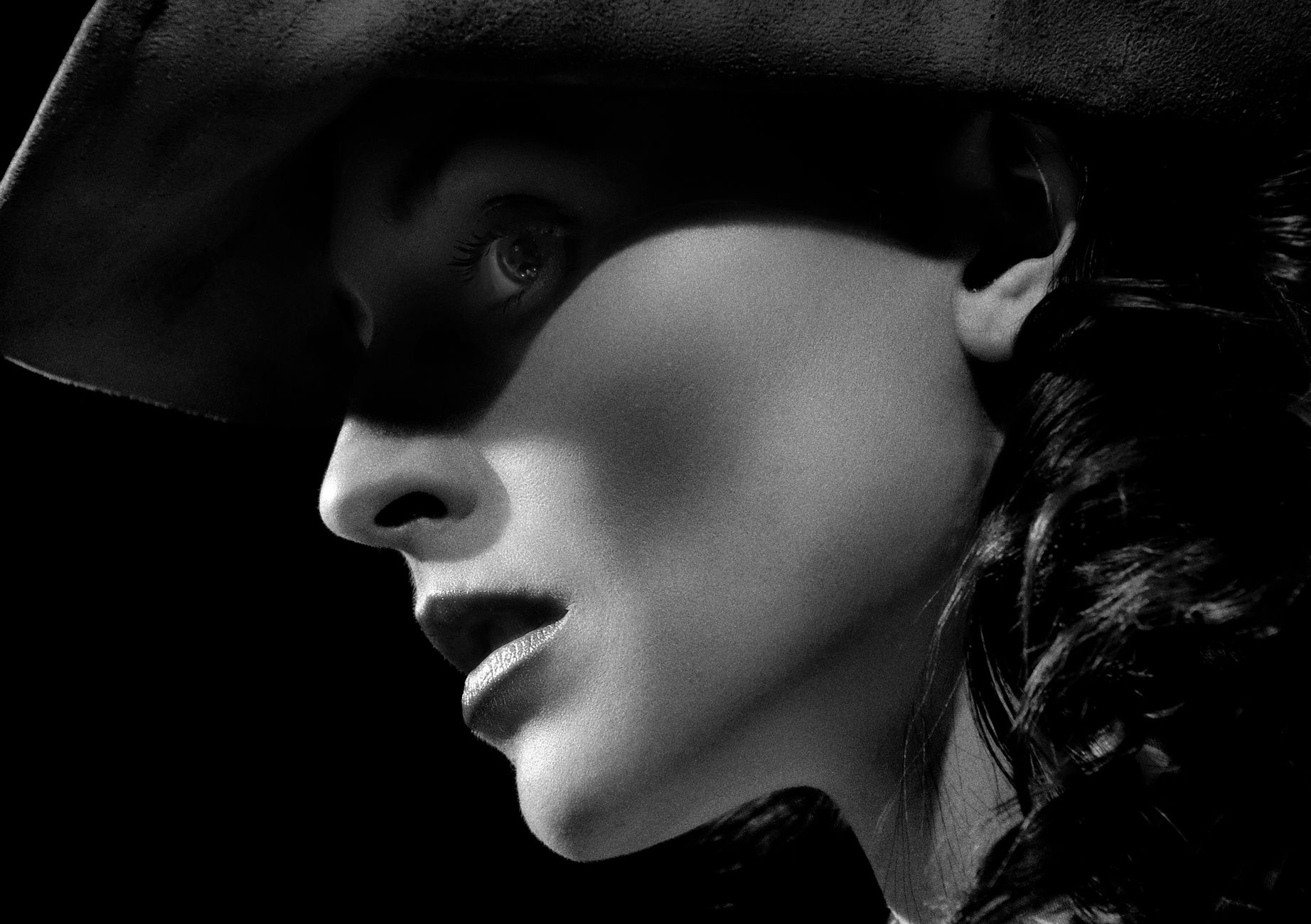
Netflix has acquired worldwide rights to “Avedon,” director Ron Howard’s documentary about the life, work and cultural influence of photographer Richard Avedon. The company announced that the film will begin streaming globally later in 2026 after making its world premiere at the Cannes Film Festival in May. Netflix has not disclosed a specific release date or detailed whether the documentary will receive a separate theatrical rollout. The Hollywood Reporter, in a report by awards editor Scott Feinberg, said the acquisition includes plans for an awards campaign.
The deal gives Howard’s film broad distribution after its high-profile festival debut and positions it as one of the year’s major documentaries about an American artist. Avedon’s photographs crossed the boundaries separating commercial fashion imagery, celebrity portraiture, journalism and fine art. His work appeared in magazines and advertising campaigns, but it also entered museum collections and became part of the visual record of American political, cultural and social life. Netflix’s reach could introduce that history to viewers who know individual Avedon images without knowing the photographer behind them.
According to Netflix, the documentary was made with unprecedented access to Avedon’s personal archive. It incorporates never-before-seen still photographs, intimate footage showing him at work and newly recorded interviews with close collaborators. That archival foundation allows the film to examine not only the finished images but also the decisions, relationships and controlled environments involved in producing them. Howard has described the project as an effort to explore both Avedon’s creative instincts and the personal experiences that helped form his distinctive way of seeing people.
Avedon, who died in 2004, worked for more than half a century and became one of the most consequential image-makers of the 20th century. He photographed movie stars, artists, writers, political leaders and models, while also turning his camera toward miners, laborers, drifters and other people rarely presented with the same visual intensity as public figures. His portrait practice became especially recognizable for its spare settings, direct poses and stark backgrounds, which stripped away much of the contextual scenery normally used to signal a subject’s status.
In fashion, Avedon helped replace rigid studio conventions with movement, spontaneity and psychological energy. Models in his photographs appeared to leap, laugh, dance or interact with city streets rather than simply display clothing. That approach influenced generations of photographers and contributed to a broader change in how fashion publications presented personality and modern life. At the same time, his portraits often complicated the glamour associated with their subjects, emphasizing expression, age, tension and vulnerability rather than offering purely celebratory images.

That range makes Avedon an unusually expansive subject for a feature-length documentary. His work provides an entry point into the development of postwar American magazines, the growth of celebrity culture, changes in advertising and the increasing recognition of photography as a museum art form. It also raises questions about the photographer’s power over a subject. Avedon’s carefully constructed images could appear revealing and immediate, even though they were produced through deliberate choices involving lighting, framing, gesture, editing and selection.
Howard brings substantial experience directing documentaries about prominent cultural figures and institutions. His nonfiction work has included films about the Beatles, opera singer Luciano Pavarotti, chef José Andrés and the Apollo space program. In those projects, Howard has frequently combined archival material with interviews and narrative storytelling designed for viewers who may not already be specialists. “Avedon” applies that accessible approach to photography while retaining a close focus on the artist’s working process and creative contradictions.
The documentary is produced by Imagine Documentaries and Fifth Season in association with the Richard Avedon Foundation. Its producers include Brian Grazer, Howard, Dallas Brennan Rexer, Sara Bernstein, Christopher St. John and Justin Wilkes. Meredith Kaulfers, Mary Lisio, Chris Rice and Graham Taylor serve as executive producers. The foundation’s involvement gave the filmmakers access to materials capable of showing how Avedon developed, revised and assessed his work across different periods of his career.
For Netflix, the acquisition adds a Cannes-tested title with recognizable creative talent and a subject connected to fashion, art, media and American history. The reported awards push suggests that the company sees the documentary as more than a catalog release. Its timing later in the year could place it before critics’ groups, industry voters and audiences during the period when documentary contenders traditionally seek heightened attention, although Netflix has not publicly detailed the campaign or confirmed any qualifying theatrical plans.

The film also arrives as photography’s authority is being reconsidered. Digital manipulation has long complicated assumptions that a photograph represents an objective record, while generative artificial intelligence now makes it possible to create convincing images without a traditional photographic event. Avedon’s work offers a useful historical counterpoint because it never depended on the idea that portraiture was neutral. His images openly reflected the photographer’s choices, the subject’s performance and the tension between authenticity and construction.
That context may give the documentary relevance beyond a conventional artist biography. Avedon participated in commercial industries that helped define standards of style and beauty, but he also used portraiture to challenge the polished surfaces those industries produced. His pictures could elevate a fashion campaign, document a political personality or confront viewers with faces excluded from mainstream visual culture. The same technical control that produced iconic elegance could be used to emphasize discomfort, mortality or social distance.
The Netflix release will substantially expand the audience able to assess that legacy. Cannes provided the film with prestige and an international launch, while streaming distribution will make it available to viewers far outside festival venues and major museum centers. The remaining questions include the exact release date, whether Netflix will organize public screenings or a theatrical engagement, and how prominently the film will feature in its year-end documentary strategy. For now, the acquisition establishes “Avedon” as a significant 2026 arts release and places Howard’s examination of American image-making before a worldwide audience.




Leave a Reply