
World, the biometric identity project co-founded by OpenAI CEO Sam Altman, has raised $52.5 million through a strategic sale of WLD cryptocurrency tokens, giving the organization fresh funding to expand its human-verification network as artificial intelligence makes online identities increasingly difficult to authenticate.
The investors agreed to hold the purchased tokens for at least 12 months, according to details disclosed with the transaction. A lockup prevents participants from selling or transferring their tokens during the specified period, reducing the possibility that the newly issued or distributed assets will immediately enter the market. World characterized the restriction as evidence of the buyers’ longer-term commitment to the network’s development and utility.
Crypto-focused investment firm Pantera Capital led the sale. Other participants included Bain Capital Crypto, Eightco Holdings, Susquehanna Crypto and Selini Capital, along with additional investors. The announcement did not provide an equity valuation for Tools for Humanity or identify the number of WLD tokens included in the transaction.
The proceeds will be directed to the World Foundation, an exempted limited guarantee foundation company incorporated in the Cayman Islands. The foundation serves as the steward of the broader World protocol, supporting network development, ecosystem programs and efforts intended to make the system financially self-sustaining.
The distinction between the foundation and Tools for Humanity is central to the project’s structure. Tools for Humanity, a technology company based in San Francisco and Munich, develops major components of the World ecosystem and is led by CEO and co-founder Alex Blania. Altman is a co-founder and chairman of the company. The World Foundation, meanwhile, oversees the network and its associated token treasury.
Unlike a conventional venture-capital round, the transaction did not require the foundation to publicly announce the sale of corporate shares. Instead, participating investors acquired WLD, the digital token associated with the World protocol. The financing therefore connects the project’s operating resources directly to its crypto economy and to investor expectations that WLD will gain utility as the network expands.
World’s central product is World ID, a digital credential designed to let users demonstrate that they are unique humans without disclosing their names or other traditional identity information. The project presents that capability as increasingly important as generative AI systems produce realistic text, images, audio and video, while autonomous agents perform more activities across websites and applications.

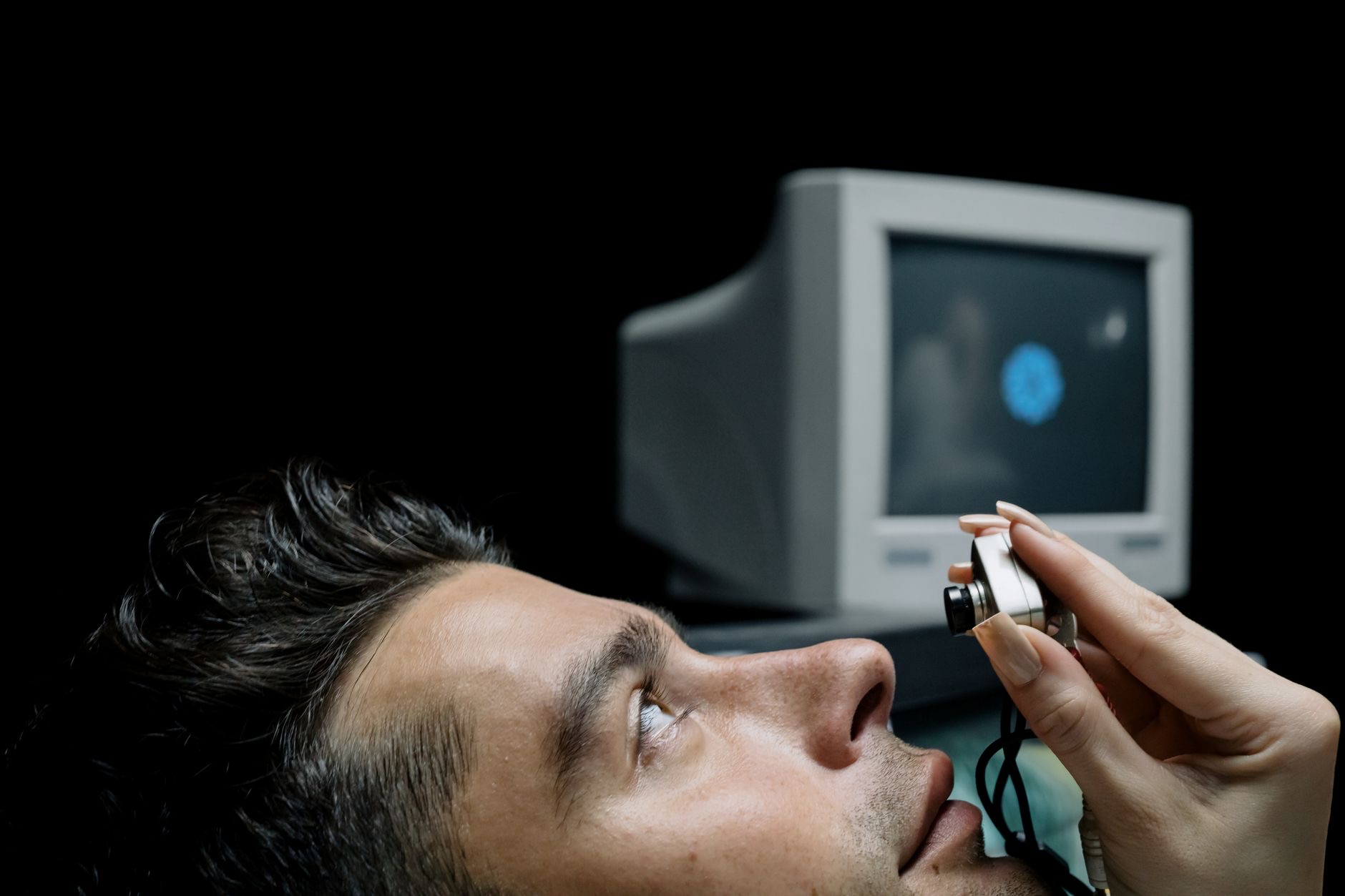
World’s highest-assurance verification process relies on a spherical device called the Orb. The hardware photographs a user’s face and eyes, analyzes the iris and converts the result into a cryptographic identifier used to confirm that the individual has not previously enrolled. World says its technology allows users to generate anonymous proofs of humanness without revealing the biometric information itself to services that accept World ID.
The use of eye scanning has also made World one of Silicon Valley’s most closely watched and controversial identity projects. Biometric information is difficult to replace if compromised, unlike a password or payment card, and regulators in several countries have examined how the project obtains consent, processes information and protects users. World has responded by emphasizing encryption, privacy-preserving cryptography and systems intended to minimize the retention of biometric data.
The $52.5 million sale arrives as World broadens its pitch beyond cryptocurrency. The project initially launched under the Worldcoin name and drew attention for offering eligible participants WLD tokens after they completed Orb verification. It later adopted the shorter World brand and increasingly presented itself as identity infrastructure for consumer platforms, enterprises and AI applications.
Recent product initiatives illustrate that shift. World has promoted integrations intended to help dating services identify authentic users, business platforms verify participants in sensitive transactions and developers confirm that AI agents are acting under the authority of real people. Tinder verification using World ID has expanded into the United States, while World has also announced work involving enterprise technology providers such as Okta, Zoom and Docusign.
Those partnerships address a growing concern for major online platforms: traditional account-verification methods are becoming less reliable as AI lowers the cost of creating convincing fake profiles, automated messages and synthetic media. World argues that a portable proof-of-human credential could allow platforms to control automated activity without forcing users to repeatedly submit identity documents to different companies.
The potential market extends beyond blocking bots. World has described possible applications in ticket sales, online voting, financial services, gaming, social media, age verification and agentic commerce. In those settings, developers could use World ID to limit an action to one verified person, confirm that a human approved an AI agent’s transaction or prioritize access for authenticated users.

Adoption remains the project’s central challenge. Orb verification generally requires users to visit a physical enrollment location or encounter a participating operator, creating more friction than conventional account registration. World has attempted to reduce that obstacle by adding verification options involving compatible identity documents and lower-assurance selfie checks, although those methods may not provide the same guarantees as an Orb scan.
The token model introduces another layer of complexity. WLD is intended to support participation, governance and economic activity within the World ecosystem, but its market value can fluctuate independently of the adoption of World ID. Token sales can supply substantial capital without a standard equity financing, yet they can also raise questions about circulating supply, investor concentration and whether network demand will eventually support the token’s utility.
The 12-month lockup may limit immediate selling pressure from the participating investors, but it does not eliminate longer-term market risk. The ultimate significance of the transaction will depend on whether World converts the funding into durable platform integrations, higher verification activity and services that businesses or developers are willing to pay to use.
For Silicon Valley, the financing reflects growing investor interest in the infrastructure surrounding AI rather than AI models alone. As software agents become capable of communicating, purchasing goods and accessing corporate systems, identity providers are competing to establish the trust layer that determines who—or what—is authorized to act online.
World is betting that a biometric credential, privacy-preserving cryptography and a crypto-based incentive system can become that layer. The new capital gives it additional resources to pursue the strategy, but widespread adoption will require the project to overcome consumer skepticism, regulatory differences and the operational difficulty of bringing biometric verification to a global audience.




Leave a Reply