
Internal communications among U.S. Immigration and Customs Enforcement officials show supervisors repeatedly warning that a Manhattan holding facility had become dangerously crowded while the agency continued bringing in more detainees, according to a Washington Post investigation published July 22.
The report examined conditions at 26 Federal Plaza, a federal office building in Lower Manhattan that houses immigration operations and sits below an immigration courthouse. ICE operates four temporary holding rooms on the building’s 10th floor. The rooms were designed to keep people for several hours while they were processed, released or transported to longer-term detention centers.
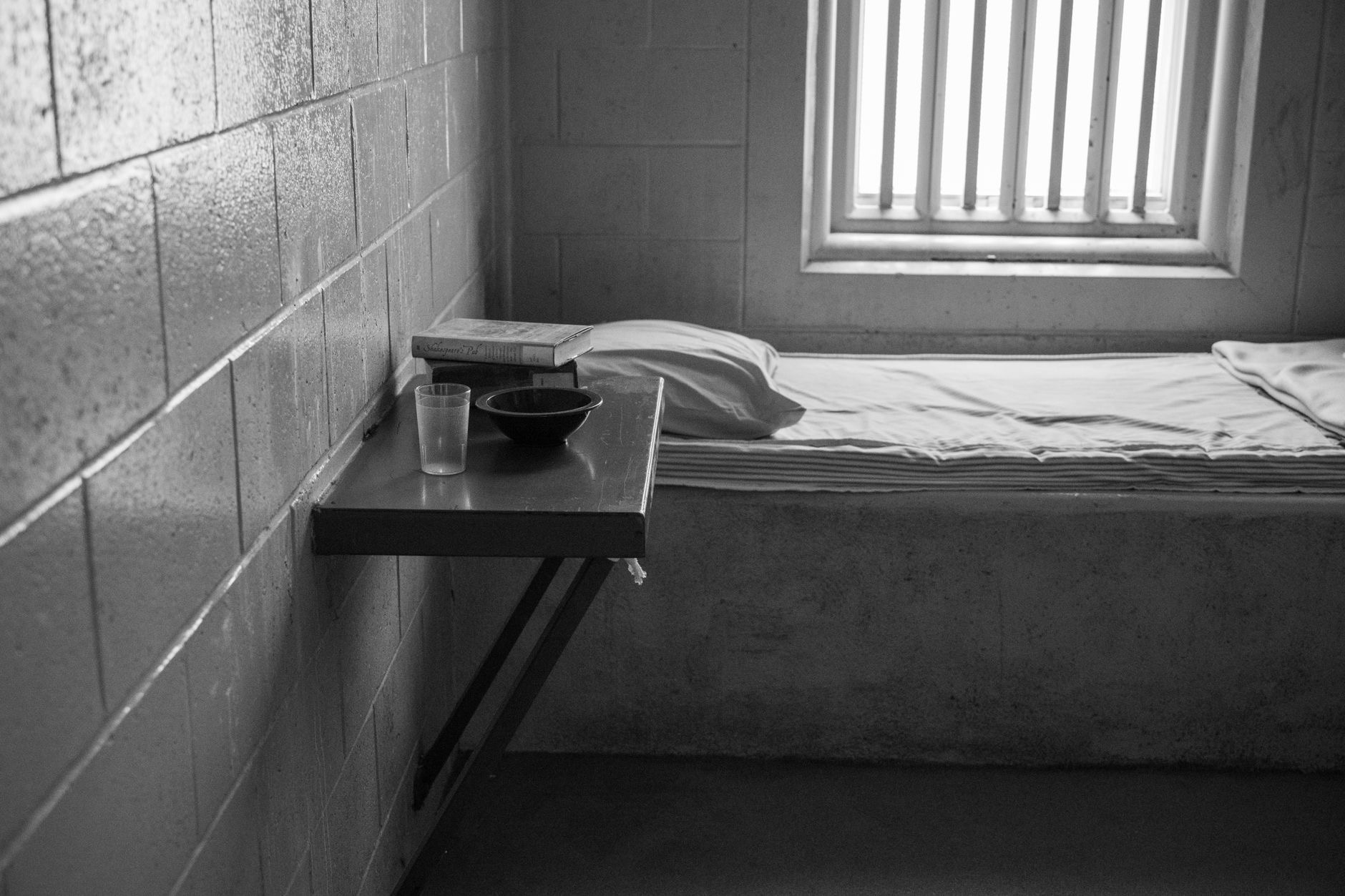
Instead, during a surge in immigration arrests in the summer of 2025, dozens of people were confined there for days. The rooms had no beds or showers and did not have medical personnel available around the clock, according to internal messages, sworn detainee testimony and other records filed in federal court.
ICE officials acknowledged the mounting pressure in emails and text messages. The communications described an inability to move detainees out of the building because nearby detention centers were full and transportation options, including available flights, were limited. At the same time, enforcement teams continued making arrests, including outside immigration courtrooms in the same building.
The Washington Post’s analysis found that the population of one room rose from an estimated eight people to more than 80 during the first four days of June 2025. The room reached an estimated peak of about 86 detainees in early July. At that point, the analysis calculated that each person had approximately 10 square feet of space.
Former detainees described sleeping on hard floors or remaining seated because there was insufficient room to lie down. Court testimony also described exposed toilets, persistent odors and limited opportunities to wash. People were given thin foil or cotton blankets, according to the government, but the facility lacked the basic infrastructure normally associated with overnight detention.
ICE policy had generally limited confinement in temporary holding rooms to 12 hours, except in exceptional circumstances. As the arrest surge intensified, the agency extended the permitted period to three days, The Post reported. Even that expanded limit was frequently exceeded. More than 60 people were held at 26 Federal Plaza for over a week during June and July 2025, according to the newspaper’s analysis of agency records.
The growing population also strained medical care. Internal communications showed officials discussing detainees with heart problems, diabetes, kidney failure, infectious diseases, mental-health conditions and other serious needs. Staff members attempted to identify the most urgent cases, but the site did not have a doctor continuously present. Several detainees were taken to hospitals, while others testified that requests for treatment went unanswered.

The records were released through litigation challenging conditions and access to legal counsel at the building. The case, Barco Mercado v. Mullin, was filed in the U.S. District Court for the Southern District of New York in August 2025. Plaintiffs alleged that ICE was holding people for extended periods in a facility that lacked beds, showers and adequate medical support.
On Aug. 12, 2025, a federal judge issued a temporary restraining order limiting the total number of detainees across the four rooms to 22. The court concluded that the conditions presented a serious risk of continuing harm. A preliminary injunction and class certification followed in September, according to documents compiled by the American Civil Liberties Union.
The litigation remains ongoing. In May 2026, after reviewing additional evidence, the judge questioned whether ICE should be permitted to hold detainees at the Manhattan location at all, according to reporting cited by The Post. The court had not issued a final ruling on that question when the investigation was published.
The Department of Homeland Security declined to respond to a detailed list of questions from The Post, citing the pending case. In court, government attorneys have said ICE needed temporary rooms because the detention system did not have enough available beds to support the administration’s enforcement directives. Officials have also said detainees generally received two or three meals each day and blankets when held overnight.
The agency’s broader position is that detention is necessary in cases involving people subject to mandatory custody or those assessed as public-safety or flight risks. ICE says facilities holding immigration detainees are required to comply with applicable detention standards and are subject to federal oversight and compliance reviews.
The newly disclosed records, however, illustrate a structural conflict between arrest targets and detention capacity. After President Donald Trump returned to office in January 2025, the administration directed ICE to accelerate arrests as part of a campaign promising large-scale deportations. In New York, agents began arresting immigrants as they left court hearings, adding detainees to a system that officials already knew had limited transportation and bed space.
The Post’s reporting found that the problem extended beyond Manhattan. Its analysis relied on daily facility data obtained by the Deportation Data Project, a research initiative affiliated with the University of California, Berkeley, and UCLA. The project obtains internal immigration-enforcement data through public-records requests and litigation.

Since August 2025, eight other temporary holding locations recorded populations exceeding 200 people at one time, according to the analysis. In Chicago, hundreds of detainees reportedly spent three or more days in rooms that a government lawyer had previously described as unsuitable for overnight stays.
At a deportation staging facility near Mesa, Arizona, ICE records showed more than 700 people at a site whose stated maximum capacity was 203. The population was reduced ahead of a planned congressional visit, according to reporting by the Arizona Mirror cited in The Post’s investigation.
The report also revisited the death of a 41-year-old Afghan man following detention at a temporary room in Dallas. His family said he complained of chest pain and was unable to obtain timely medical attention before being transported to a hospital. ICE said he had been arrested during a targeted operation. The Dallas County medical examiner attributed the death to an adverse drug reaction, although the complete autopsy was not publicly released.
Temporary holding spaces occupy a less visible part of the immigration-detention system than large jails and privately operated detention centers. They may be located inside federal offices, field offices, airports or transportation facilities, with limited public access and few opportunities for independent observation.
The New York records show how those spaces can become de facto detention centers when enforcement activity expands faster than transportation, staffing and bed capacity. The resulting legal questions are likely to focus on how long ICE may hold people in facilities built for processing, what minimum conditions must be provided and whether internal warnings were adequately addressed before people suffered harm.
For federal policymakers, the investigation adds new evidence to a continuing debate over detention funding, transparency and oversight. For courts, it provides a detailed record of what can occur when temporary exceptions become routine operating practices. The central issue is no longer only how many arrests ICE can make, but whether the government has the capacity to hold those arrested safely and lawfully.




Leave a Reply