
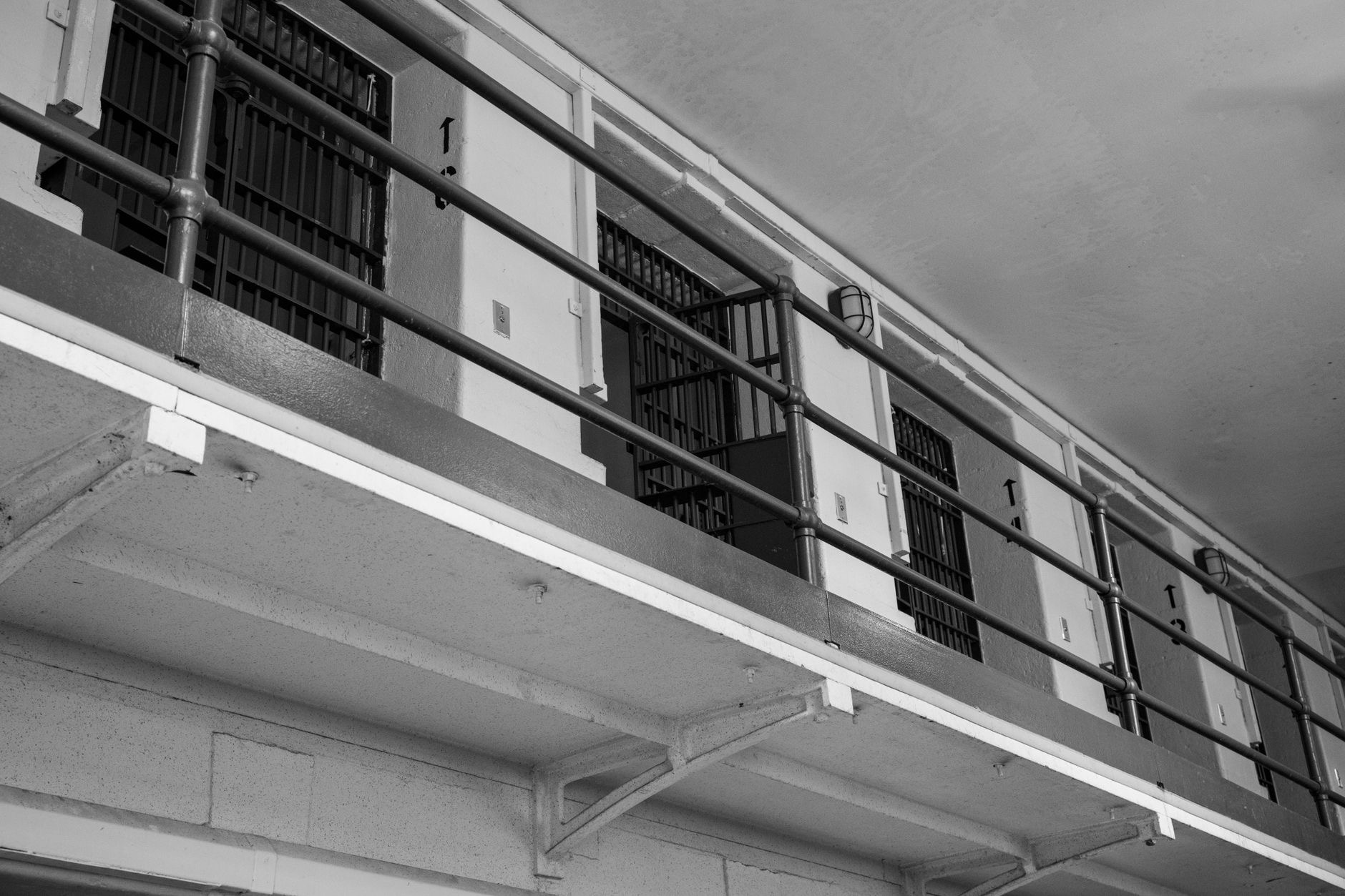
A federal judge has ordered sweeping operational changes at the California City Detention Facility, directing federal immigration authorities to improve medical care, guarantee confidential access to lawyers, provide weather-appropriate clothing and blankets, and give detainees regular outdoor recreation. The order also establishes independent medical oversight at the large, privately operated Immigration and Customs Enforcement center in Kern County.
U.S. District Judge Maxine M. Chesney issued the relief in a federal class-action case brought by seven people detained at the facility. Their attorneys alleged that residents were exposed to dangerous delays in treatment, interruptions in prescribed medication, inadequate accommodations for disabilities, cold indoor conditions and barriers to communicating privately with legal counsel. The government has disputed the allegations and said its detention policies already require comprehensive care.
The ruling requires the Department of Homeland Security and ICE to ensure adequate health care staffing and timely access to prescribed medications. It also directs officials to make confidential attorney meetings available both in person and by telephone, an issue with direct consequences for detainees seeking bond, asylum or relief from deportation. Lawyers have argued that transfers, limited phone access and the facility’s remote location made it difficult for clients to participate meaningfully in their cases.
Chesney also ordered the government to provide temperature-appropriate clothing and blankets without requiring detainees to buy them through the commissary. Attorneys said some residents had tried to cope with cold cells by wearing socks on their arms or layering the limited clothing available to them. The order further requires access to outdoor recreation for at least one hour a day.
A central part of the court’s intervention is the appointment of a qualified, independent medical monitor. The monitor is expected to be able to inspect the facility, review medical records and interview detainees and staff. That structure gives the court and the parties a source of information beyond reports prepared by ICE or the contractor operating the center. It does not place the facility under a full receivership, but it creates an outside mechanism for evaluating whether ordered improvements are occurring.
The California City center is operated by CoreCivic, one of the country’s largest private detention and corrections companies. The facility, a former state prison in the Mojave Desert, was reopened for immigration detention in 2025 and has capacity for more than 2,500 people. Court filings and reporting have indicated that more than 1,000 people were detained there when the judge provisionally recognized a class covering current and future residents.

The lawsuit describes several cases that plaintiffs’ lawyers say illustrate broader failures. One plaintiff with diabetes alleged that inconsistent access to insulin contributed to dangerously high blood sugar and a serious foot wound. Another man with signs of prostate cancer said medical appointments and specialist care were delayed despite concerning symptoms. A third plaintiff with a heart condition alleged that medication interruptions preceded severe chest pain and emergency hospital visits.
Those assertions have not been finally adjudicated. They are allegations in ongoing litigation, and the preliminary order is intended to prevent potential harm while the case proceeds. Still, the judge’s decision indicates that the plaintiffs presented enough evidence of serious risk to justify immediate court supervision rather than waiting for a full trial.
The Department of Homeland Security has rejected the broader characterization of conditions as inhumane. The department has said detainees receive meals, water, medical treatment, emergency care and opportunities to communicate with relatives and attorneys. It has also argued that its medical policies exceed the requirements imposed by the court. CoreCivic has said it works closely with the federal government, follows applicable detention standards and prioritizes the safety and well-being of people in its custody.
The dispute underscores the complicated division of responsibility at privately operated immigration facilities. ICE sets detention standards and remains legally responsible for people in federal custody, while contractors provide staffing, medical services, food, security and daily operations under federal agreements. When detainees challenge conditions, lawsuits often name federal officials even when the alleged failures occurred inside a contractor-run center.
The California City case also raises a basic constitutional issue: Immigration detention is civil, not criminal. People may be held while removal cases proceed, but detention is not supposed to function as punishment. Plaintiffs contend that inadequate treatment, restrictive conditions and obstacles to legal access crossed that line and violated due process protections. Federal officials maintain that the center is operated under national standards designed for immigration custody.

California lawmakers have separately scrutinized the facility. Sens. Alex Padilla and Adam Schiff and Rep. Ro Khanna have visited or sought information about medical services, food, water, legal access and general living conditions. Their concerns have added congressional pressure to a dispute that is now being tested through court-ordered monitoring.
The order does not resolve whether every allegation in the lawsuit is accurate, nor does it decide the ultimate legality of the facility’s practices. The next phase will focus on compliance: selecting or confirming the independent monitor, documenting medical staffing and medication delivery, ensuring private attorney communications, and showing that clothing, blankets and recreation are consistently available.
For detainees and their families, the practical effects will depend on enforcement. Written standards can have limited value if staffing shortages, transfer practices or administrative delays prevent care and legal contact. The monitor’s access to records and people inside the facility may therefore become the most consequential part of the ruling, allowing the court to compare official policies with day-to-day conditions.
The case remains active, and federal authorities may continue to contest the scope of the relief. For now, however, the order places clear, measurable obligations on ICE and DHS at California City and gives plaintiffs a mechanism to return to court if they believe the government is not complying.




Leave a Reply