
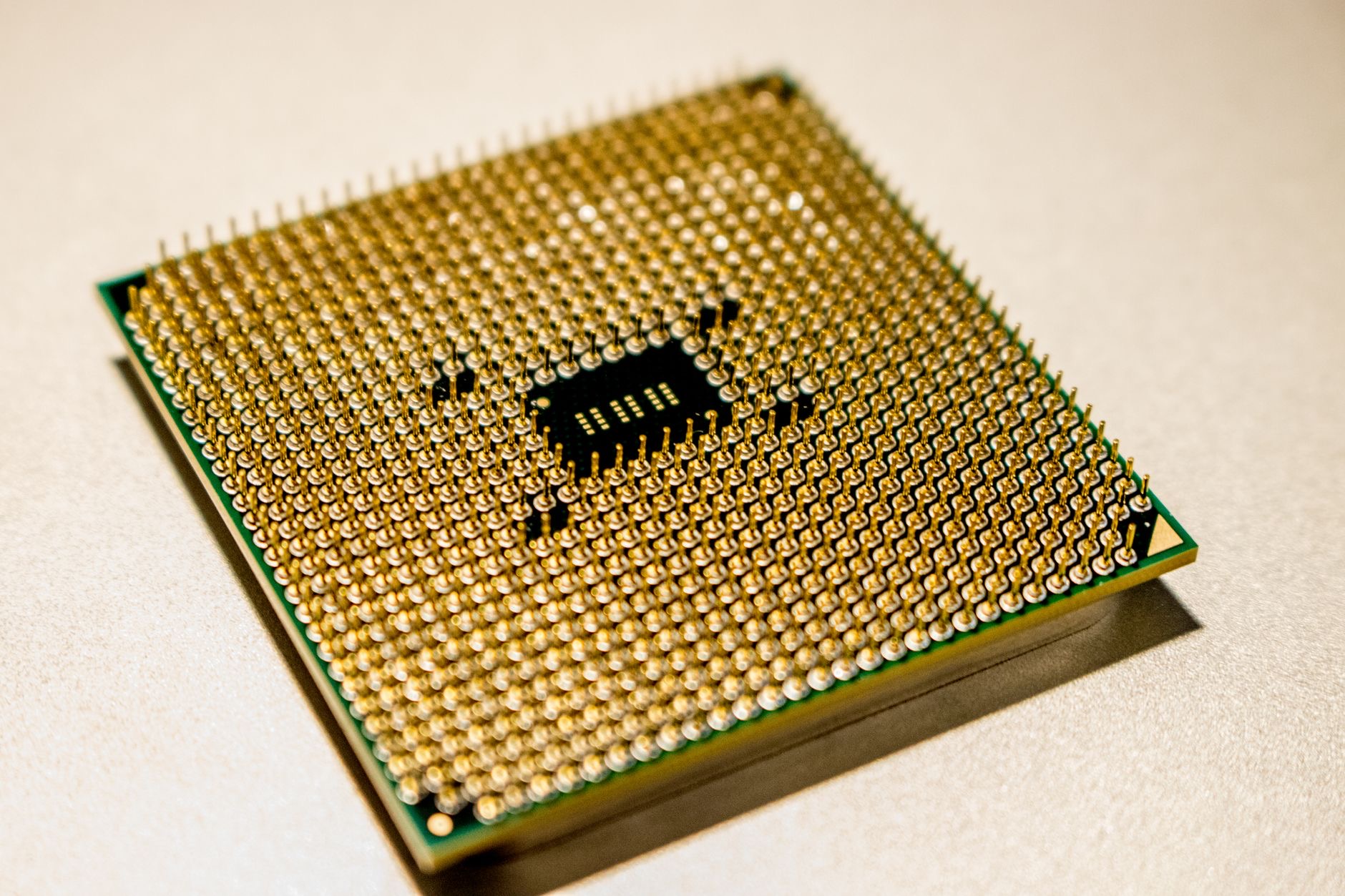
SoftBank Group’s $6.5 billion acquisition of Ampere Computing has placed the Santa Clara semiconductor company at the center of the Japanese conglomerate’s expanding artificial intelligence infrastructure strategy. Although the transaction was originally announced in March 2025 and completed on November 25, 2025, it remains a defining step in SoftBank’s effort to assemble capabilities across chip design, AI development, data centers and cloud computing.
Under the all-cash agreement, Ampere became a wholly owned SoftBank subsidiary while retaining its name and California headquarters. Carlyle Group and Oracle, Ampere’s largest outside investors, sold their positions as part of the transaction. SoftBank said Ampere’s financial results would be included in its consolidated accounts from the acquisition date.
The timing details are significant because some recent online reports have presented the transaction as newly announced. Official disclosures show that SoftBank entered the agreement on March 19, 2025, received a U.S. Federal Trade Commission early-termination notice in November 2025 and closed the acquisition later that month. The FTC notice allowed the transaction to proceed without waiting for the full statutory review period to expire; it was not a newly issued approval in July 2026.
Ampere develops high-performance processors based on the Arm computing architecture. Its products are built primarily for cloud servers and data centers, where operators are trying to increase computing capacity without allowing electricity and cooling costs to rise at the same rate. The company has promoted its AmpereOne processor family for cloud-native applications, data processing and AI-related workloads requiring large numbers of energy-efficient CPU cores.
Those processors do not directly replace the graphics processing units that dominate AI model training. Instead, server CPUs perform a wide range of supporting work, including managing data, running applications, coordinating infrastructure and handling some inference workloads. As AI systems expand, data centers require both specialized accelerators and general-purpose processors, making efficiency across the entire computing system increasingly important.
SoftBank has argued that Ampere can play a critical role as hyperscale cloud companies and data-center operators look to reduce costs and power consumption. Ampere also brings a large engineering organization to the group. SoftBank said when announcing the deal that the company employed approximately 1,000 semiconductor engineers with experience developing and bringing advanced processors into production.

The acquisition creates close strategic connections with Arm Holdings, the British chip-architecture company controlled by SoftBank. Arm licenses instruction-set architecture and processor designs used in smartphones, embedded systems and a growing number of servers. Ampere builds its own server processors using the Arm platform, giving SoftBank exposure to both the underlying architecture business and a company designing completed data-center chips.
SoftBank has said Ampere’s chip-development capabilities can complement Arm’s design strengths and support collaboration across the group’s portfolio companies, business partners and investments. However, Arm and Ampere maintain distinct businesses and customer relationships. Any closer coordination would need to account for Arm’s position as a neutral technology supplier to companies that may compete with Ampere or other SoftBank-backed ventures.
The purchase also fits SoftBank founder Masayoshi Son’s campaign to concentrate the group’s resources on artificial intelligence. SoftBank has committed tens of billions of dollars to OpenAI and has participated in plans for large-scale U.S. AI infrastructure. It has separately invested in data-center capacity, robotics and semiconductor companies, including its earlier acquisition of British AI-chip developer Graphcore.
In July 2026, SoftBank Group and Japanese telecommunications company SoftBank Corp. announced a venture called SB Neo aimed at developing an AI computing and “neocloud” business in the United States. The companies said they intended to expand capacity in phases and eventually deploy infrastructure on a 10-gigawatt scale. Ampere’s processors and engineering expertise could become relevant to such projects, although SoftBank has not publicly detailed a specific Ampere deployment plan for SB Neo.
For Ampere, SoftBank ownership offers access to significantly greater financial resources in a semiconductor industry where developing leading products can require billions of dollars and years of engineering work. Advanced chips must be designed, verified and manufactured through complex global supply chains. Independent chip startups can struggle to finance successive product generations while competing against Intel, AMD and custom processors developed by major cloud companies.

Ampere’s focus on Arm-based server processors also reflects a broader shift in data-center competition. Intel’s x86 architecture historically dominated the server market, but cloud providers have increasingly adopted Arm technology for workloads where energy efficiency, customization and operating cost are priorities. Amazon Web Services has developed its own Graviton processors, while other technology companies have pursued custom chips tailored to their software and infrastructure.
SoftBank’s ownership may help Ampere pursue more ambitious processor road maps and reach customers connected to the group’s infrastructure investments. At the same time, the company must demonstrate that its chips can deliver competitive performance, software compatibility and total operating savings. Data-center customers generally evaluate processors not only by benchmark results but also by availability, developer tools, security, networking support and the cost of moving existing applications to a different architecture.
The deal further increases SoftBank’s exposure to the capital-intensive AI boom. The group’s strategy assumes that demand for computing will continue rising rapidly as companies build and deploy increasingly capable models. That demand has created opportunities across chips, power generation, networking and data-center construction, but it has also produced concerns about financing requirements, energy constraints and whether future AI revenue will justify current infrastructure spending.
For the U.S. technology sector, Ampere’s continued presence in Santa Clara preserves a major chip-design operation in Silicon Valley, even though its parent company is headquartered in Japan. SoftBank said the acquisition would deepen its commitment to AI innovation in the United States. The longer-term impact will depend on whether Ampere gains market share and how effectively SoftBank integrates the company into its wider computing strategy without limiting its ability to serve customers across the competitive cloud ecosystem.




Leave a Reply