
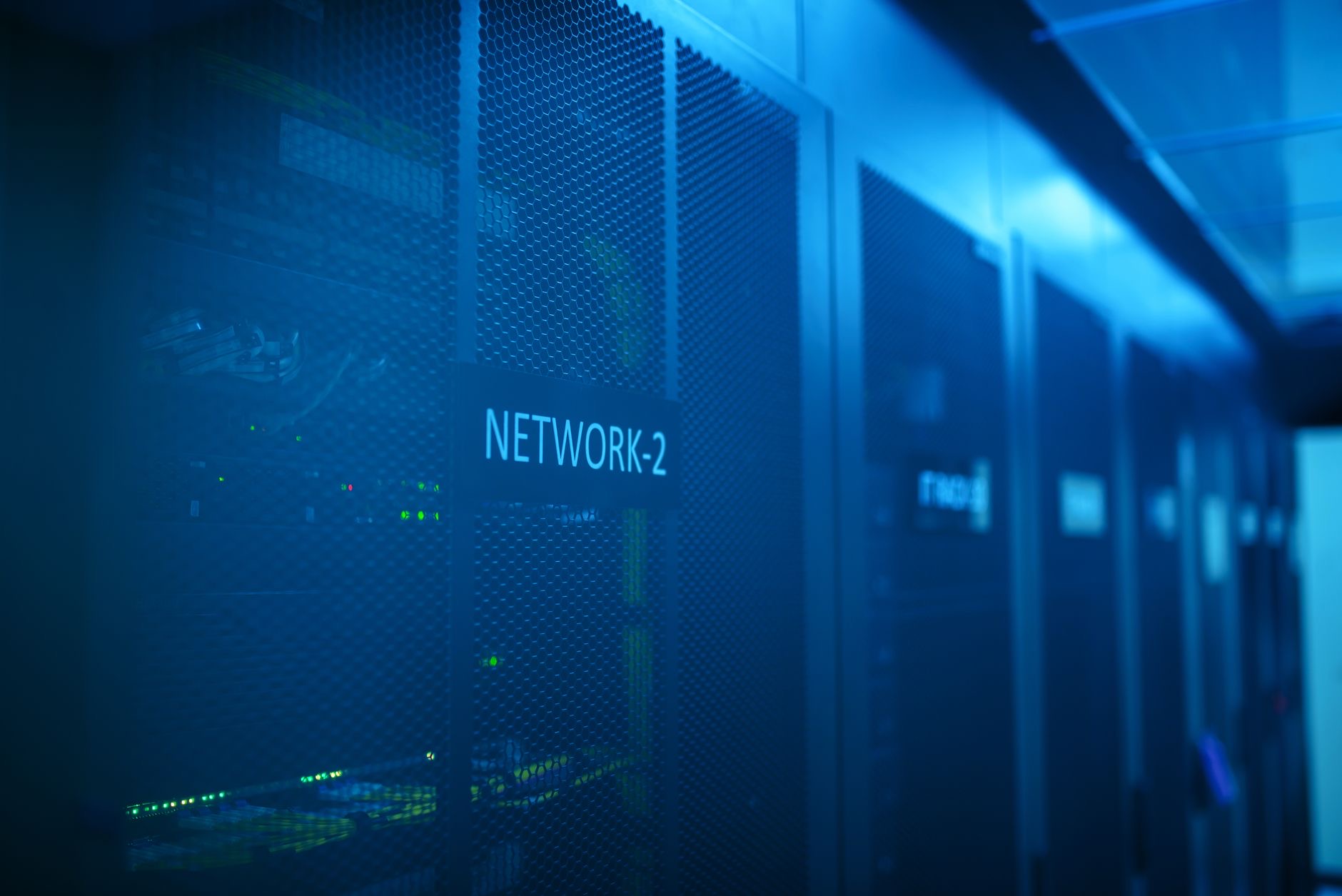
Artificial intelligence infrastructure has become the dominant force behind the 2026 startup valuation boom, as new private-market data show that AI companies are producing the largest share of new billion-dollar startups and absorbing a record portion of global venture capital.
The latest wave is not simply about chatbots or consumer-facing AI tools. Investors are increasingly backing the technical plumbing behind the AI economy: cloud compute, data-center provisioning, model-development platforms, chips, robotics systems, autonomous tools, cybersecurity layers and enterprise software that helps companies deploy AI at scale. That shift has turned infrastructure into the central battleground for venture firms seeking exposure to the next generation of high-growth technology companies.
Several market trackers point to the same broad pattern, even though their counts differ because of timing, methodology and whether they measure newly created unicorns, total unicorns or year-over-year sector growth. The Hurun Global Unicorn Index 2026 said the number of AI unicorns rose by 87 over the past year, bringing the category to 215 companies globally. BestBrokers, using data from Crunchbase, PitchBook, TechCrunch and public funding announcements, counted 121 companies that first reached $1 billion valuations in 2026 through early June, including 29 AI startups, the largest sector group in its analysis.
That makes the phrase “nearly 90” less a single universal count than a signal of how quickly AI is expanding across the private-company universe. In one dataset, AI’s total unicorn population rose by nearly 90 in a year. In another, AI represented roughly one in four new 2026 unicorns and outpaced health technology, robotics, fintech, enterprise software and aerospace. The shared conclusion is clear: capital is clustering around AI, and much of it is now moving toward infrastructure-heavy businesses.
For the United States, the implications are direct. BestBrokers found that 74 of the 121 newly minted unicorns in its 2026 sample were U.S.-based, reflecting the country’s deeper venture capital market, research universities, technical talent base and concentration of buyers for enterprise AI products. The same analysis placed the United States far ahead of other countries in the total number of unicorns, with Silicon Valley still serving as the primary hub for high-valuation AI companies.

Crunchbase data released in early July reinforced the scale of the surge. Global venture funding reached $510 billion in the first half of 2026, surpassing the total amount invested in all of 2025 and setting a new record for any half-year period. The report said OpenAI and Anthropic alone accounted for $217 billion, or 43% of all startup funding in the first half, illustrating how concentrated the AI boom has become. In the second quarter, more than 70% of global startup capital went to AI-focused companies.
That capital concentration is changing how investors assess startups. During the earlier phase of the generative AI boom, the highest valuations clustered around foundation model developers. In 2026, the money is increasingly following companies that can relieve bottlenecks created by those models: access to GPUs, inference capacity, storage, data workflows, networking, power, security and compliance. Startups that sell picks and shovels to the AI economy are being valued as strategic infrastructure providers rather than ordinary software vendors.
The result is a broader unicorn class that blends traditional Silicon Valley software with hard-tech demands. AI infrastructure companies need access to chips, cloud capacity, data-center contracts and large amounts of capital before they can prove long-term margins. Robotics and defense-AI startups often face longer sales cycles, regulatory scrutiny and manufacturing complexity. Enterprise AI companies must show they can turn pilot projects into recurring revenue at scale. The upside is large, but the operating burden is heavier than in the low-cost software boom that defined much of the 2010s.
Stanford’s 2026 AI Index underscores why infrastructure has moved to the center of the market. The report said the United States hosts more AI data centers than any other country and remains a leading producer of top-tier AI models, even as China narrows performance gaps in several areas. It also highlighted a hardware supply chain still heavily dependent on advanced chip fabrication in Taiwan, a vulnerability that makes data-center expansion, semiconductor capacity and energy policy central to AI competition.
That context helps explain why investors are now valuing AI infrastructure as a national and economic asset, not merely a software category. Data centers require power, land, cooling, fiber networks and long-term cloud demand. Model companies require secure access to enormous compute clusters. Enterprise customers require reliable inference and governance tools. Governments are watching closely because the same infrastructure can support productivity gains, cybersecurity capabilities, military applications and scientific research.

Silicon Valley’s role is therefore expanding beyond startup formation. The Bay Area is now the command center for a capital cycle that stretches across power markets, chip supply chains, cloud providers, sovereign investors and public policy. San Francisco-based AI labs, Palo Alto venture firms, South Bay chip companies and data-infrastructure startups are all participating in the same feedback loop: more AI demand drives more infrastructure spending, which supports higher valuations for startups positioned along the AI stack.
The boom also comes with risks. High valuations depend on assumptions about future enterprise adoption, declining compute costs, durable model demand and a functioning exit market. If customers slow AI spending, if cloud margins compress or if power and chip constraints intensify, some newly minted unicorns could struggle to justify their private-market prices. The gap between the largest AI companies and the rest of the startup market is already widening, raising concerns that capital is becoming less available for founders outside the hottest AI categories.
Still, the current data show that venture investors are not treating AI infrastructure as a short-lived theme. They are treating it as the foundation layer for the next technology cycle. The newest unicorns are being built around compute access, automation, model deployment, defense resilience, health-care productivity and enterprise operations. That is a marked departure from earlier startup waves centered on mobile apps, marketplaces and consumer platforms.
For 2026, the defining private-market question is no longer whether AI can create billion-dollar startups. It already has, repeatedly and at unusual speed. The harder question is which of those companies can become lasting businesses once the capital intensity of AI meets the discipline of revenue, margins, energy availability and public-market scrutiny. Until then, AI infrastructure remains the clearest force shaping the unicorn economy — and Silicon Valley remains one of its most important launchpads.




Leave a Reply