
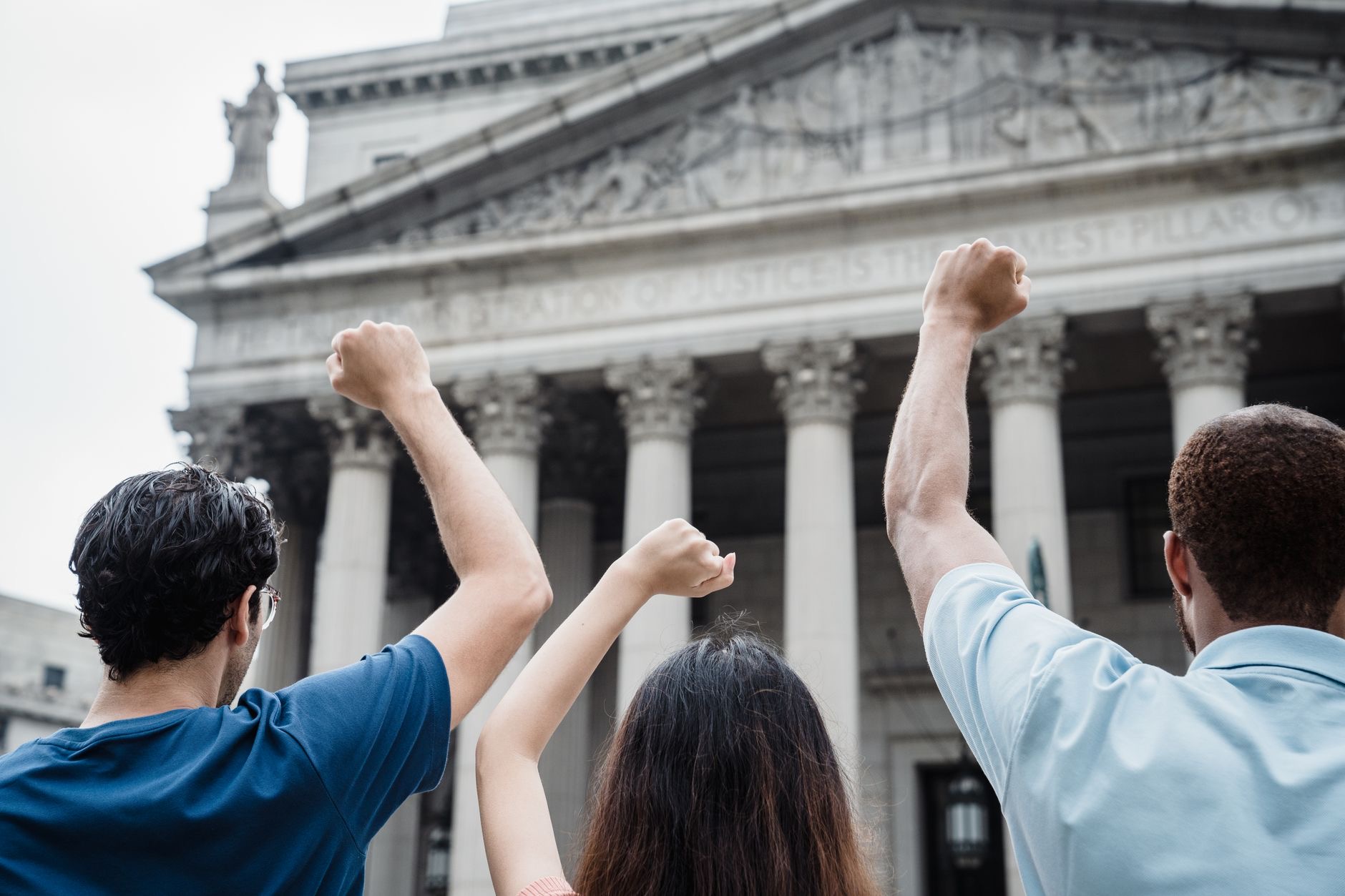
The Supreme Court on Thursday struck down a Hawaii gun law that required licensed firearm carriers to obtain express permission before bringing guns onto private property open to the public, while also handing President Donald Trump’s administration two major victories in immigration cases involving temporary legal protections and asylum access at the U.S.-Mexico border.
The decisions, all issued on June 25, underscored the court’s 6-3 conservative majority in disputes over the Second Amendment and federal immigration power. In the gun case, Wolford v. Lopez, Justice Samuel Alito wrote for the majority that Hawaii’s rule imposed an unconstitutional burden on people licensed to carry firearms for self-defense. The court said the state could not reverse the ordinary default for businesses and other private property open to the public by requiring gun owners to seek affirmative consent before entering.
The Hawaii law, enacted after the Supreme Court’s 2022 decision in New York State Rifle & Pistol Association v. Bruen, made it a crime for a concealed-carry license holder to bring a firearm onto private property open to the public unless the owner gave “express authorization.” Supporters of the measure argued that it protected property owners’ right to decide whether firearms were allowed on their premises. Challengers, including three Hawaii residents with concealed-carry permits and a gun-rights organization, argued that the law effectively turned much of everyday public life into a gun-free zone.
The Supreme Court agreed with the challengers. The majority said Hawaii’s rule barred licensed carriers from many places people routinely visit, including stores, restaurants, gas stations and other businesses, unless the business owner affirmatively welcomed firearms. Alito wrote that the state’s default rule departed from the common-law understanding that people may enter property held open to the public unless the owner withdraws consent. The court held that the Hawaii restriction violated the Second and Fourteenth Amendments.
The ruling does not require businesses to allow guns. Property owners may still prohibit firearms, including through posted signs or other explicit notice. But the decision means Hawaii may not make exclusion the default rule for all private property open to the public. The court also did not decide separate challenges to Hawaii restrictions on carrying firearms in locations such as beaches, parks, bars and restaurants serving alcohol, leaving those disputes for lower courts.
Justice Elena Kagan filed a dissent, and Justice Ketanji Brown Jackson wrote separately in dissent joined by Justice Sonia Sotomayor. The dissents argued that Hawaii’s law was rooted in property rights and historical analogues that allowed landowners to control armed entry. Jackson wrote that the majority’s approach privileged firearm access over the ability of states and property owners to balance public safety and private-property interests.

The ruling could affect similar laws in other states that responded to Bruen by regulating where concealed-carry permit holders may bring firearms. Since Bruen, the court has required governments defending gun restrictions to show that modern rules are consistent with the nation’s historical tradition of firearm regulation. Thursday’s Hawaii decision applies that framework to a default rule governing private property open to the public, a question that had drawn national attention from gun-rights groups, gun-control advocates and state attorneys general.
The same day, the court sided with the Trump administration in Mullin v. Doe, a consolidated dispute over the administration’s move to end Temporary Protected Status for Syrian and Haitian nationals. Temporary Protected Status, or TPS, allows eligible immigrants from countries affected by war, natural disaster or other extraordinary conditions to live and work temporarily in the United States when return is considered unsafe.
The court ruled that the TPS statute bars judicial review of non-constitutional claims challenging the secretary of homeland security’s determinations on whether to designate, extend or terminate a country’s TPS status. The majority also concluded that plaintiffs challenging the termination of Haiti’s designation on equal-protection grounds were unlikely to succeed. That decision reversed lower-court orders that had delayed the administration’s terminations while litigation continued.
The practical impact is significant for affected immigrants. Spectrum News, citing the Associated Press, reported that the decision affects more than 350,000 Haitians and 6,000 Syrians in the United States. Immigration advocates warned before and after the ruling that the decision could have broader consequences for other TPS populations, while the administration argued that TPS was intended to be temporary and that courts had exceeded their authority by blocking the terminations.
In a second immigration case, Mullin v. Al Otro Lado, the court ruled that migrants standing in Mexico do not “arrive in the United States” for purposes of federal asylum and inspection provisions unless they cross the border. The case involved the government’s authority to use “metering,” a policy under which border officials limit the number of people who may enter ports of entry each day to seek inspection and asylum processing.

The metering policy was used during the Obama administration and Trump’s first term, then rescinded under President Joe Biden. The Trump administration told the court it wanted the authority to use the practice again when border conditions warrant. In a 6-3 decision, the court reversed a Ninth Circuit ruling that had held asylum seekers could trigger inspection and asylum rights by presenting themselves at the border while still on the Mexico side.
The majority said the statutory phrase “arrives in the United States” means entering the country, not attempting unsuccessfully to cross. That interpretation gives the federal government more room to manage port-of-entry capacity during surges. Immigrant-rights groups have long argued that metering forces vulnerable asylum seekers to wait in dangerous conditions in Mexican border cities and undermines the right to seek protection from persecution.
Together, the rulings gave the Trump administration a pair of immigration wins at a time when the court is still considering other high-profile disputes over the administration’s policies. Reuters reported Friday that the court has largely allowed the administration’s restrictive immigration agenda to proceed, though it has also required due process protections in some contexts. A separate decision on birthright citizenship remained pending as the court moved toward the end of its term.
The combined effect of Thursday’s decisions is to sharpen two national legal conflicts likely to continue beyond this term. On gun rights, states face a narrower path when defending broad location-based carry restrictions after Bruen. On immigration, the administration gained stronger legal footing to end humanitarian protections and control the flow of asylum seekers at the southern border, while affected communities and advocacy groups are expected to continue pressing constitutional and statutory challenges where claims remain available.




Leave a Reply