
Manhattan Borough President Brad Hoylman-Sigal plans to dedicate the full $50 million of his office’s discretionary capital budget for the next fiscal year to arts and culture, a concentrated public-funding move that would direct money to museums, libraries, theaters, dance organizations, arts education and school facilities across the borough.
The allocation, which remains subject to New York City’s budget approval process, would benefit 55 cultural organizations and 28 schools. It represents a sharp departure from the more common practice of spreading borough president capital funding across a broader mix of local needs, including parks, public housing, social services, schools, libraries and cultural groups. Hoylman-Sigal, who took office in January, has described the decision as both a civic investment and a response to a national political climate in which major cultural institutions and federal arts support have become points of conflict.
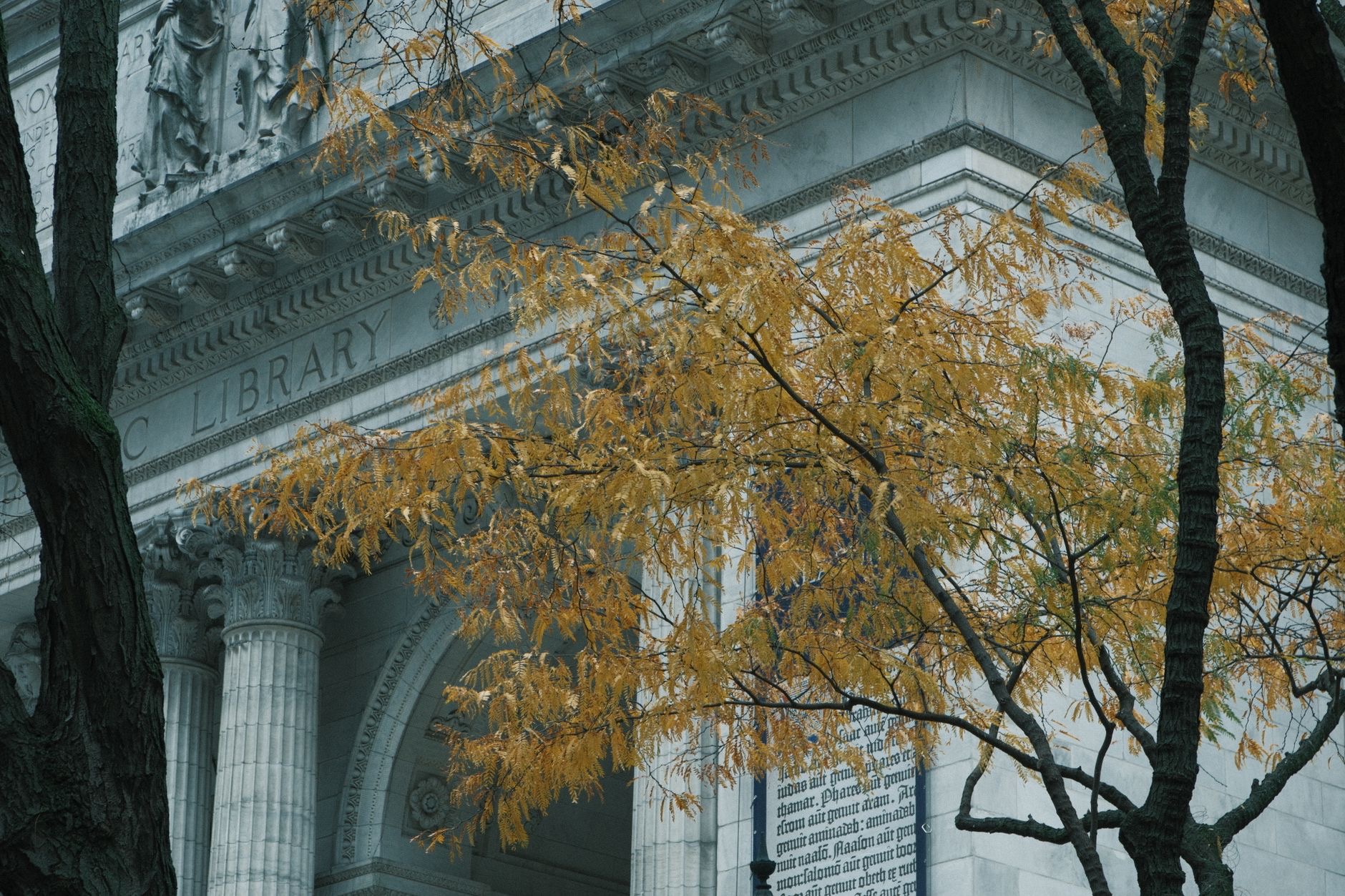
The largest proposed awards are $2 million grants for five institutions: the American Museum of Natural History, El Museo del Barrio, Ballet Hispánico of New York, the Museum of Chinese in America and the New York Public Library’s Schomburg Center for Research in Black Culture. The American Museum of Natural History’s share is expected to support early planning for a renovation of its Pacific Birds Hall, underscoring the capital nature of the borough president’s funding stream.
Other major allocations would include $1 million each for Lincoln Center for the Performing Arts, the Museum of the City of New York, Taller Boricua and the New York Shakespeare Festival. The Metropolitan Museum of Art, New York Historical and the Art Students League of New York are each slated for $500,000. Additional grants are planned for organizations including the International Center of Photography, Alvin Ailey Dance Foundation, Friends of the High Line and the Morgan Library & Museum.
The school component of the plan gives the initiative a broader education footprint beyond Manhattan’s museum and performance institutions. Named beneficiaries include O’Shea Campus, P.S. 004 Duke Ellington, Fiorello H. LaGuardia High School of Music & Art and Performing Arts, Hunter College and the Juilliard School. Public school capital projects funded through the borough president’s office generally must support durable improvements, such as auditorium upgrades, technology, libraries, science labs or other facility enhancements, rather than short-term programming or staffing.
Hoylman-Sigal’s office has presented the funding push as part of a broader effort to leverage public dollars into additional support. According to reports on the initiative, roughly $12 million in private matching gifts has already been raised. That feature is politically important because it lets the borough president argue that a limited public capital allocation can be multiplied by philanthropic support, especially in a borough with a dense concentration of cultural donors, nonprofit boards and major institutions.

The decision comes as New York’s arts organizations continue to navigate a mixed post-pandemic recovery. Attendance has rebounded unevenly across museums, performing arts venues and educational programs, while many groups still face higher labor, insurance, construction and operating costs. Capital funding can be especially valuable in that environment because it supports physical infrastructure and long-term institutional needs that are difficult to cover through ticket revenue, annual fundraising or restricted program grants.
The proposal also carries political symbolism. Manhattan is home to many of the country’s most visible cultural institutions, from encyclopedic museums and major performing arts centers to community-based organizations serving immigrant, Black, Latino, Asian American and neighborhood audiences. By directing the full allocation to cultural infrastructure, Hoylman-Sigal is elevating the arts as a public-service sector tied to education, tourism, local employment and civic identity.
The move has been framed as a rebuff to President Donald Trump’s approach to cultural institutions and federal arts policy. Hoylman-Sigal has linked the local funding decision to concerns about pressure on national cultural bodies and threats to federal arts funding. The borough president’s argument is that New York City can use local capital dollars to create a measure of stability for institutions that plan exhibitions, performances, conservation work and educational programming over several years.
That framing is likely to resonate with cultural groups worried about the volatility of federal support, but it also exposes the plan to scrutiny over trade-offs. Borough president capital funds are limited, and previous allocations have often been used to support a wide range of neighborhood infrastructure priorities. Concentrating the full $50 million on arts and culture means other categories of local capital projects would not receive the same borough president funding attention in this cycle.
Supporters of the approach are likely to argue that the distinction between cultural spending and basic civic spending is too narrow. Museums, libraries, school arts spaces and performing arts venues are major employers, tourist draws and educational partners. Community-based cultural organizations also provide after-school programming, neighborhood events, youth training, archival work and public gathering spaces, functions that often overlap with social services and economic development.

The proposed grants are not operating subsidies in the ordinary sense. Borough president capital funding is governed by city rules and is generally designed to support long-term physical assets. Eligible nonprofit projects can include real property improvements, renovations, reconstruction, equipment and initial outfitting, while public school capital projects must generally create permanent improvements or durable technology upgrades. That structure means the $50 million would not simply pay for performances or exhibitions, but for the buildings, classrooms and infrastructure that allow cultural programming to continue.
The city budget timeline is now the key procedural step. New York City’s fiscal year begins July 1, and capital funding decisions are finalized through the broader budget process. Until the budget is adopted and funding agreements move through the required city review, the awards remain proposed allocations rather than money immediately available for construction or procurement.
Even after approval, recipients can face a long implementation period. The Manhattan Borough President’s Office notes that capital projects typically move through application review, city agency coordination, funding agreements, Office of Management and Budget review and comptroller registration before reimbursable work can proceed. For nonprofit capital projects, expenses incurred before the proper agreements are registered can be at the organization’s risk.
For Manhattan’s cultural sector, however, the announcement sends an immediate signal about political priority. The list of proposed recipients spans large institutions with global profiles, neighborhood arts organizations, dance and theater groups, libraries, schools and higher-education institutions. That breadth gives Hoylman-Sigal a way to frame the plan not as a gift to elite museums alone, but as an investment in the borough’s cultural ecosystem from classrooms to major public venues.
The final test will be whether the city budget process preserves the allocation and whether the promised public investment unlocks enough private matching support to extend its reach. If it does, the $50 million plan could become one of the most visible local arts-funding statements of the year, placing Manhattan’s cultural infrastructure at the center of a wider debate over public money, institutional independence and the role of the arts in urban life.




Leave a Reply